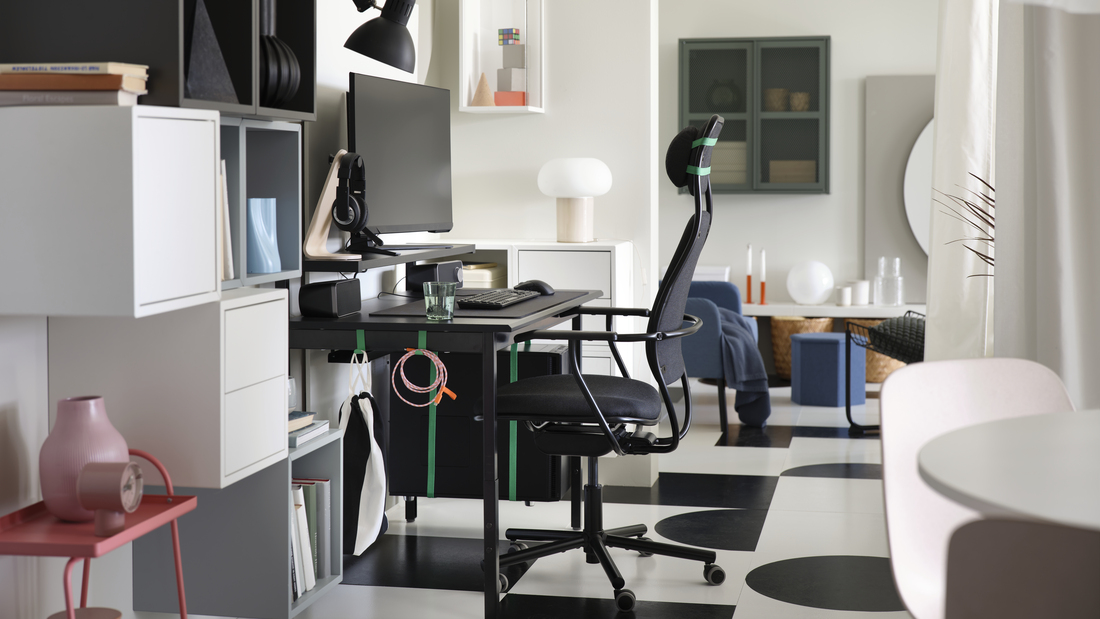
After several hours of staring at the screen, you might start leaning back while trying to find a more comfortable position. It is during moments like this that a headrest is needed.
Not just a mere feature, a headrest can complete body support while you work, read, attend online meetings, or take a short break.
Let’s explore what a headrest is, its benefits, and how to choose one so that your office chair can suit your work routine.
The ideal headrest position is when its placement and height align comfortably with your head and neck, rather than pushing your head too far forward.
What is the function of a headrest on an office chair?
A headrest is a part of the chair designed to provide a support point for the head and neck area, especially when leaning back. IKEA explains that headrests on ergonomic chairs help support the neck so it doesn't easily become strained during work or rest.
This feature works as part of a broader ergonomic system. This means that a headrest should ideally be used alongside seat height adjustments, backrests, lumbar support, armrests, and tilt features that fit your body.
Benefits of office chair headrests you need to know
1. Helps support the head when leaning back
When sitting upright to type, the head is usually supported by the neck muscles. However, when you recline the chair backrest for a brief rest, the headrest provides a place for your head to lean on.
This support means you don't have to constantly hold up your head yourself when your body is in a more relaxed posture. Therefore, the presence of a headrest feels more relevant on chairs used for long durations or equipped with a tilt mechanism.
2. Helps the neck feel more relaxed
An unsuitable screen position, a habit of looking down, or working for too long without changing positions can cause discomfort in the neck area. A headrest offers an extra support point when you lean back, allowing your neck muscles to rest temporarily.
Even so, a headrest is not a replacement for ergonomic work habits. Monitor positioning, desk height, seat height, and moving periodically remain essential to help maintain comfort while working.
Read also: Choosing an ergonomic chair to maintain posture in the workspace
3. Supports position changes during work
Sitting in a single position continuously can feel exhausting. Ergonomic chairs are generally designed to allow the body to switch positions, such as moving from an upright typing position to reclining slightly when reading documents or attending a meeting.
Under these conditions, the headrest provides additional support for the upper body. Adjustable tilt features, lumbar support, and seat depth also help the chair better adapt to your body's needs.
4. Adds comfort during short breaks
Headrests are also useful between activities. When you pause work for a few minutes, reclining your back and placing your head against the rest can make resting feel much more comfortable than keeping your head held upright.
The GRÖNFJÄLL headrest, for example, features a curved shape and a leather neck cushion. Its side supports can be folded to help cushion your head when leaning back or resting. This product was developed for office use.
Recommended IKEA headrests and office chairs 2026
After understanding the benefits of headrests for supporting the head and neck, the next step is choosing a product that aligns with how you work.
IKEA offers separate headrest options as well as ergonomic office chairs with integrated headrests. This allows you to tailor your choice based on your needs, usage duration, and current chair setup.
Here are several recommendations to consider for completing your workspace. Review each feature to make it easier to find the chair or accessory that feels comfortable for your daily routine.
1. GRÖNFJÄLL headrest to complement your work chair
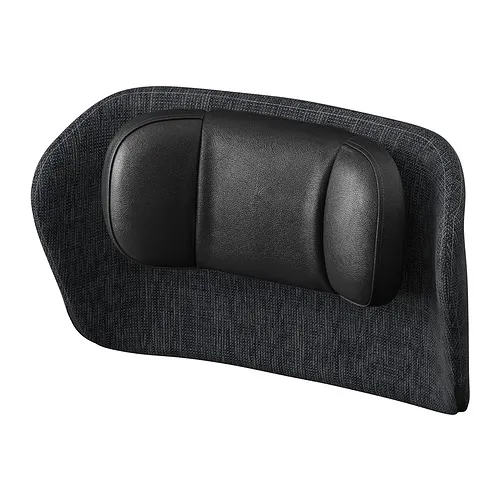
If you wish to use a headrest as an additional component, consider the GRÖNFJÄLL headrest. Its curved design creates a supportive feel, while the neck cushion features foldable side bolsters.
This headrest can be paired with the GRÖNFJÄLL office chair with armrests. The chair features lumbar support, armrests, adjustable seat depth, and a synchronized tilt mechanism.
Its LETAFORS fabric also features a cooling effect to help keep you comfortable during long working hours.
2. MARKUS office chair for those who prefer an integrated headrest
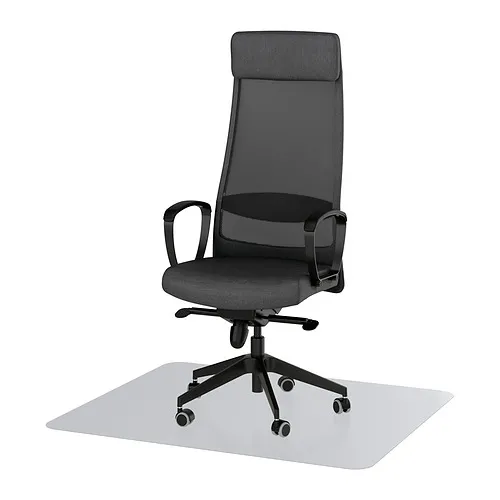
For those looking for a tall office chair with a headrest, the MARKUS office chair can be a suitable option.
MARKUS comes with a high backrest featuring an integrated headrest, armrests, seat height adjustment, and tilt functions. Its mesh backrest helps provide air circulation around the back area.
This combination makes it a great choice for home or office workspaces used almost daily.
3. ALEFJÄLL office chair for ergonomic support without a separate headrest
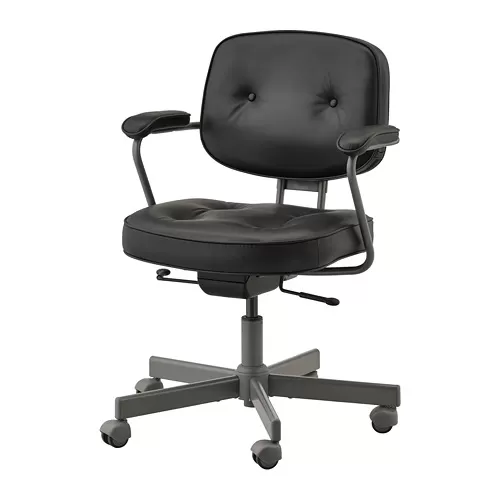
Ergonomic chairs can provide comfort through a supportive backrest design that suits the body. The ALEFJÄLL office chair, for example, features an ergonomically shaped backrest with an adjustable lumbar support.
This chair also features seat depth adjustments, a synchronized tilt mechanism, height adjustment, and GLOSE leather material. Thus, ALEFJÄLL is better suited for those who prioritize back support and positional flexibility without requiring a dedicated headrest.
Read also: 9 ergonomic work chairs for home workspaces
Tips for choosing the right headrest and work chair
Before making a choice, start with your body’s needs and how you work.
-
Try to ensure that the headrest comfortably supports the back of your head or neck area without pushing your head forward.
-
Pay attention to chair height, seat depth, lumbar support, armrests, and tilt mechanisms. Ergonomic chairs work through a combination of features, not just a single component.
-
If buying a headrest separately, use components that are explicitly designed to be compatible with your chair series. Do not force accessories onto a chair frame that lacks the proper attachment system.
For extra seat comfort, you can also explore IKEA chair pads. However, chair pads do not replace the function of a headrest or the built-in ergonomic support system of a work chair.
Complete your workspace with a chair that supports the way you work
The benefits of an office chair headrest are particularly noticeable when you frequently recline, switch positions, or require extra head and neck support while working. Nevertheless, sitting comfort always stems from a combination of matching head, back, lumbar, arm, and seat supports.
Explore various IKEA work chairs and ergonomic office chairs, then compare the features that best fit your posture, desk, and daily activities.
Visit IKEA.co.id to find a work chair that helps make your work corner more comfortable and ready for everyday use.
FAQ about office chair headrests
A headrest is useful for providing head and neck support, especially if you frequently recline or use the chair for extended periods.
No. An ergonomic chair can still provide adequate support through its backrest, lumbar support, height adjustments, seat depth, and other features.
Its position should comfortably support your head or neck area without pushing your head too far forward.
Yes. The GRÖNFJÄLL headrest is available as a component in the GRÖNFJÄLL range at IKEA Indonesia in 2026.
MARKUS is one of IKEA's work chair options featuring a high backrest and an integrated headrest.