Understanding how air quality sensors work is not as difficult as you might think. In general, these sensors use optical and electrochemical technologies to detect specific elements in the air.
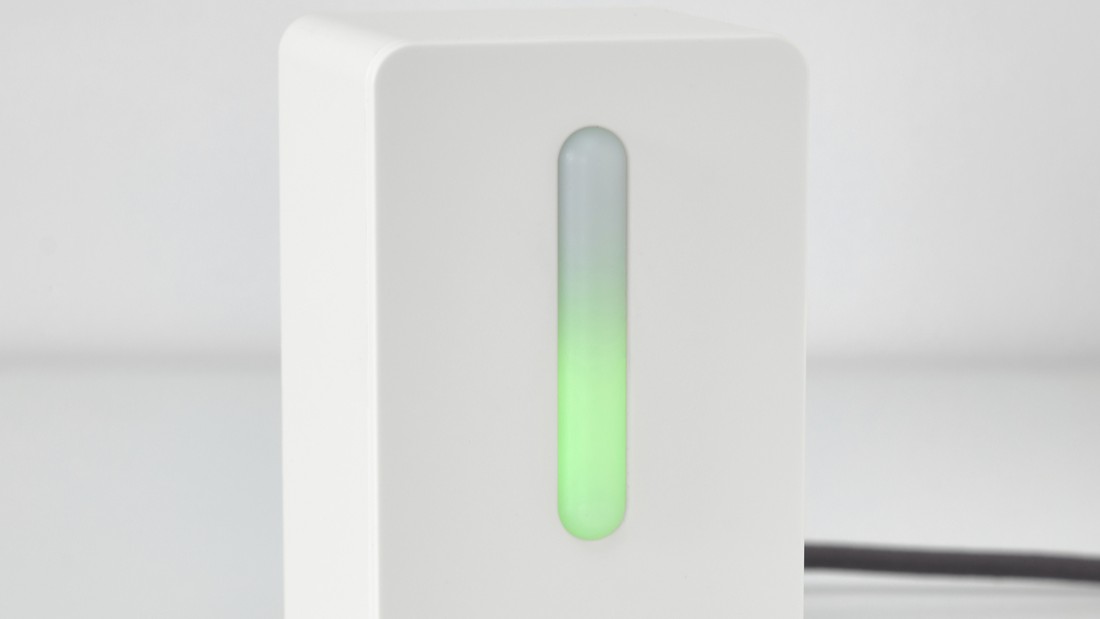
The measurement results are then processed digitally and displayed as numbers, graphs, or simple indicators. Some sensors are also connected to mobile applications for more flexible monitoring.
Dust particle detection (PM2.5 and PM10)
Fine particles such as PM2.5 and PM10 are closely related to comfort and health. Particulate sensors use laser light to count the number of particles in the air.
Technologies such as beta-attenuation monitors are used in certain systems to achieve more stable measurement results. Analyzing these values helps you understand air quality conditions and their impact on daily activities.
Hazardous gas measurement
In addition to detecting dust, gas sensors measure gases that are not always detectable by smell. Examples include carbon monoxide (CO) and nitrogen oxides (NOx). Other gases such as ozone and sulfur dioxide, can also be detected.
Some sensors also use infrared methods to detect gases, while electrochemical technology is used for more precise results. Elements such as dioxide, sulfur, nitrogen, and oxide are monitored to help maintain home comfort.
Humidity and temperature monitoring
In addition to pollutants, sensors also help monitor temperature and humidity inside the home. Both play an important role in creating a comfortable atmosphere, because air that is too humid or too dry can make the room feel less pleasant for activities.
With this simple monitoring, you can adjust room conditions to maintain balance and support daily comfort. Your home feels more welcoming for resting, working, or spending time with family.
Types of air quality sensors
Every home has different needs. Therefore, there are several types of sensors that can be tailored to your lifestyle, such as:
Portable sensors
Portable sensors are easy to move from one room to another. This device is suitable for anyone who wants to monitor air quality in the bedroom, living room, or workspace.
As a monitor, this portable sensor collects data from multiple areas of the house to provide a comprehensive view of indoor air quality.
Fixed sensors with Internet of Things (IoT)
This type of sensor is usually permanently installed and connected via the Internet of Things (IoT). With IoT support, air quality monitoring can be done remotely, even when you are not at home.
This system is a tool supported by advanced technology, as it can integrate with other devices to enable automatic responses.
Multifunctional sensors
Multifunctional sensors are designed to monitor multiple aspects of air quality within a single device. From fine dust, gases, to Volatile Organic Compounds (VOC), everything can be monitored simultaneously without needing to use many separate tools.
This practicality makes multifunctional sensors easy to use in everyday life. With a single compact monitor, you can more easily understand indoor air quality at home and maintain overall comfort in the living space.
Benefits of using air quality sensors at home
Using air quality sensors provides tangible benefits in daily life. With data collected by sensors, you can perform simple data analysis to understand air patterns at home.
Air quality sensors serve as a gentle reminder to be more mindful of the surrounding environment. Small habits like opening windows or reducing smoke sources can help keep the home environment friendly.
Helps identify pollution sources
With real-time data, sensors help you detect activities that affect air quality. This process makes it easier for you to analyze sources of harmful pollutants and implement mitigation measures.
Improves sleep quality and productivity
Clean air also contributes to your sleep quality and focus at home. Therefore, the presence of air quality sensors can help maintain comfortable air quality in the bedroom and workspace and support daily activities.
Encourages healthier living habits
With air quality monitoring, you become more aware of the importance of clean air, especially in the home environment. This habit can support efforts to sustainably maintain family health.
Read also: Recommended air purifiers for fresher rooms
Breathe easier, starting from your home