Whiteboards are available in various sizes that can be adjusted based on usage needs, from personal activities to educational teaching purposes.
1. Small size for personal use
Small sizes typically range from 35 x 50 cm to 60 x 90 cm. Some sizes such as 50 x 100 cm are also commonly used for simple needs.
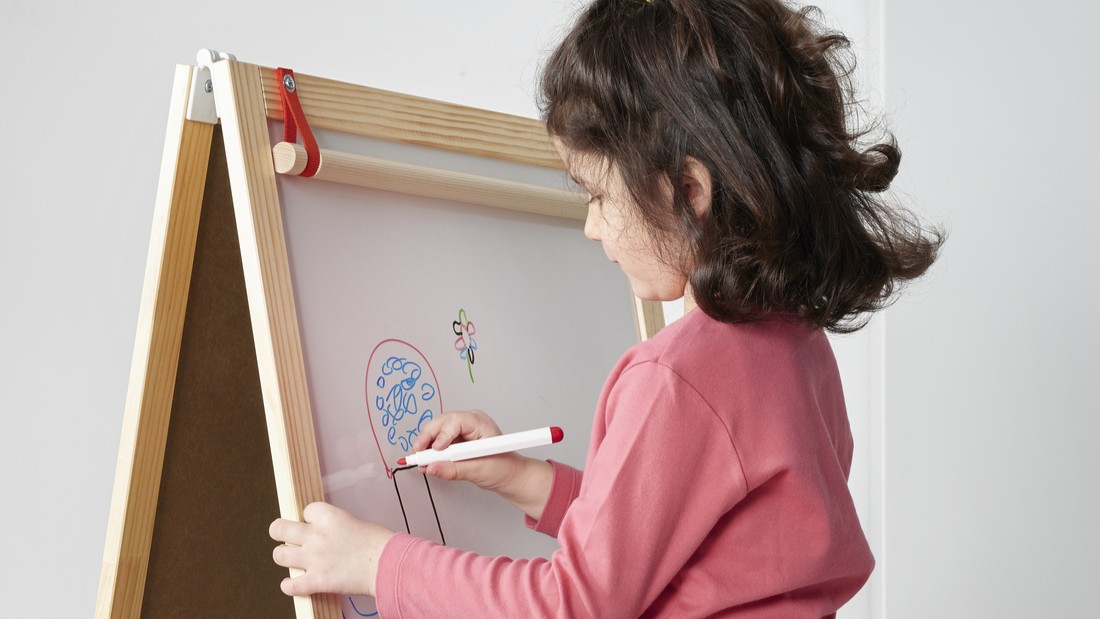
Small whiteboards are suitable for use as reminder boards, memo boards, or learning media for children. In addition, their compact size makes them easy to move without requiring wheels or additional stands.
Some characteristics of small sizes:
2. Medium size for small classrooms
Medium sizes range from 60 x 120 cm to 100 x 200 cm. Sizes such as 90 x 120 cm and 100 x 200 cm are the most common choices for meeting rooms and educational settings.
Whiteboards of this size are usually equipped with various features such as magnets, marker trays, and hanging holders with aluminum erasers. Some models also have aluminum legs, stands, and wheels, making them easy to move as needed.
Some characteristics of medium sizes:
3. Large size for presentations and big classrooms
Large sizes usually start from 120 x 180 cm up to 120 x 240 cm or more. These sizes are often used in training sessions, large classrooms, or professional presentation needs.
In addition to whiteboards, there are also glassboards with modern specifications that have smooth surfaces and are easy to clean. This makes them more durable and gives a professional appearance.
Some characteristics of large sizes:
Types of whiteboards and their availability in the market
Today, various types of whiteboards are available to suit user needs. Some of them include whiteboards, blackboards, softboards, and flip charts commonly used for training and presentations.
These whiteboard products are available in various sizes and models, from wall-mounted boards to boards with stands and wheels for easy mobility.
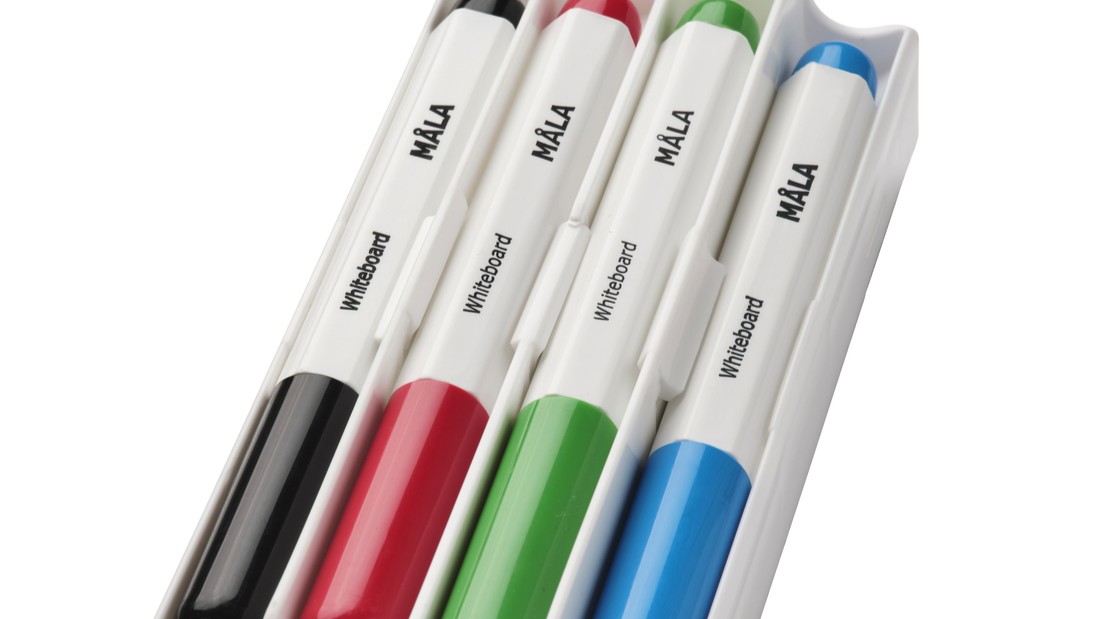
In addition, whiteboards are equipped with various supporting tools such as magnets, markers, chalk, erasers, and aluminum eraser holders. This makes whiteboards more functional and adaptable to user needs.
Important factors in choosing the right whiteboard size
Choosing a whiteboard size should not be based on appearance alone. You need to consider several factors to ensure the whiteboard truly fits your child’s learning needs and can be used optimally.
Based on room size
Based on number of users
Based on learning needs
By understanding this guide, you can choose the right whiteboard size more accurately and effectively based on your child’s learning needs.
Read Also: The function of bookshelves in enhancing aesthetics
Find the right whiteboard size for your child’s learning activities