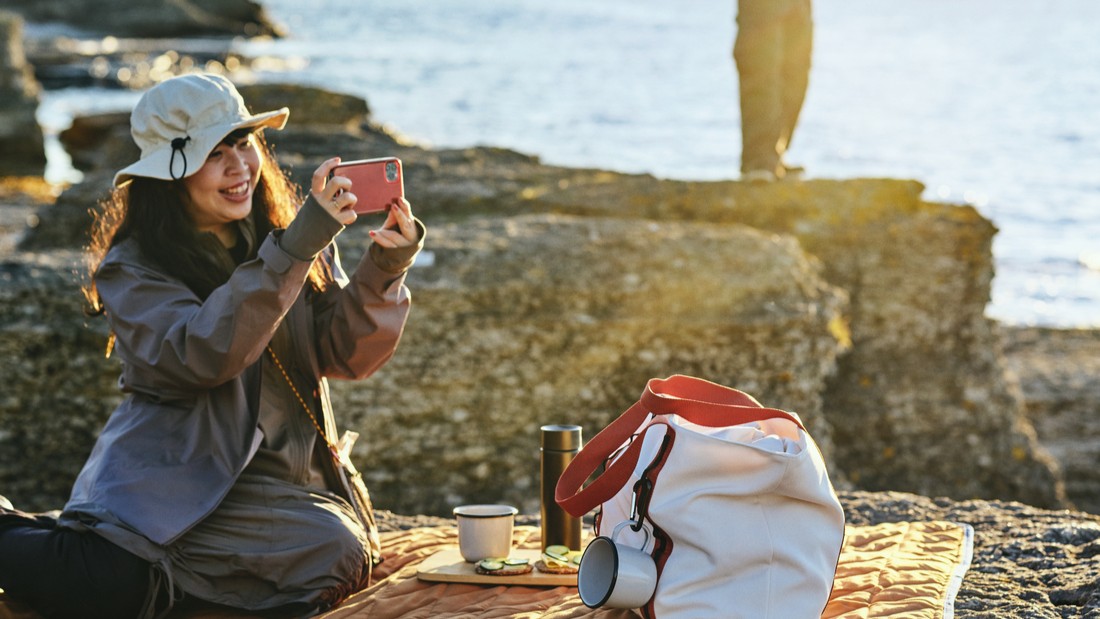
Traveling is a great way to unwind, discover new places, and experience something different from your daily routine. You can travel alone, with family, or with friends, depending on your needs and budget.
For beginners, planning a trip may feel overwhelming because there are many things to consider, from choosing a destination to packing the right items.
To make things easier, this article covers the meaning of traveling, its types and benefits, and practical preparation tips to help you enjoy a more comfortable trip.
Traveling does not have to be expensive or involve long-distance trips. Even a simple journey can offer new experiences. Choose your destination, budget, and packing essentials according to your needs for a more comfortable trip.
What Is Traveling?
Traveling means going from one place to another, while travelling is an alternative spelling with the same meaning. Traveling is commonly used in American English, whereas travelling is more common in British English.
In everyday Indonesian conversations, traveling usually refers to exploring new places or seeking experiences outside your daily routine. More broadly, traveling also includes journeys for work, study, or other purposes.
What Is the Difference Between Traveling, Holidays, Tourism, and Staycations?
Traveling, holidays, tourism, and staycations are often used to describe trips or leisure activities. Although they are related, each term has a different focus, as shown in the table below.
|
Term |
Main focus |
Example |
|
Traveling |
Going from one place to another for various purposes |
Traveling to another city for work |
|
Holiday |
Taking time off to rest and relax |
Taking time off work to relax at home |
|
Tourism |
Exploring and enjoying the attractions of a destination |
Visiting a museum or trying local cuisine |
|
Staycation |
Taking a holiday at home or near where you live |
Staying at a hotel in your own city |
Types of Traveling to Suit Your Needs
Traveling can be categorized by the purpose of the trip and the people joining you. These categories can be combined to create a travel experience that suits your needs.
Here are some types to consider.
1. Types of Traveling by Purpose
The purpose of your trip determines the activities you will do along the way. Here are several types of traveling based on purpose, along with the preparations to consider.
|
Type of traveling |
Example activities |
Key preparations |
|
Leisure travel |
Enjoying beaches, parks, or scenic views |
Choose a destination and facilities that support relaxation |
|
Cultural and culinary travel |
Visiting historical sites and trying local food |
Learn about local culture and customs |
|
Adventure travel |
Hiking, camping, or exploring nature |
Prepare your physical condition and suitable equipment |
|
Business travel |
Attending meetings or exhibitions |
Organize your schedule, locations, and work essentials |
2. Types of Traveling by Travel Companions
The number of people traveling and who they are can affect schedule flexibility, cost-sharing, and the needs you must prepare for. Here are some options to consider based on your preferences and travel circumstances.
|
Type of traveling |
Advantages |
Challenges |
Things to consider |
|
Solo traveling |
Greater freedom to plan your schedule |
You must manage all arrangements yourself |
Share your itinerary with someone you trust |
|
Family travel |
Creates shared experiences |
Each family member has different needs |
Choose activities based on participants' ages and conditions |
|
Group travel |
Offers opportunities to share experiences and certain costs |
Requires agreement on shared decisions |
Set a budget, schedule, and division of responsibilities |
Read also: Outdoor activity ideas for a weekend getaway with children
Benefits of Traveling in Everyday Life
Traveling is more than visiting new places. It also gives you opportunities to gain new experiences and perspectives. Here are some benefits you may experience in everyday life.
-
Taking a break from your routine can help reduce feelings of boredom.
-
Visiting new places allows you to learn about local cultures, customs, and history.
-
Planning a trip helps you develop decision-making and organizational skills.
-
Navigating unfamiliar situations can help you become more adaptable.
-
Traveling with family or friends creates shared memories and experiences.
-
Walking and exploring destinations can help you stay active during your trip.
Travel Preparation Tips from Start to Finish
Thorough preparation helps keep your trip organized and reduces the risk of unexpected expenses. Start by choosing your destination, setting a budget, and packing according to your needs.
1. Choose Your Destination and Set a Travel Budget
Choose a destination based on your available time, interests, and budget. Then calculate your expected expenses, including transportation, accommodation, meals, entrance tickets, and emergency funds.
For example, if your total travel budget is IDR 900,000 per person, make sure it covers your essential expenses throughout the trip. When traveling in a group, separate shared costs, such as hotel rooms, from individual expenses, such as transportation tickets.
2. Choose the Right Accommodation and Transportation
Choose accommodation based on its location, facilities, safety, and accessibility to your destinations. Hotels, guesthouses, and other accommodation options can be considered according to your budget and travel needs.
Transportation should also suit your route, travel time, and trip conditions. Boats can be used for inter-island transfers or water tours, while cruises offer a sightseeing experience at sea with specific onboard facilities.
3. Create an Itinerary
An itinerary helps you organize activities according to location and available time. Create a realistic schedule so you can enjoy your trip without trying to visit too many places in one day.
For example, when traveling to Ubud, Bali, group nearby destinations into the same day's itinerary. This approach helps reduce travel time and gives you more opportunities to enjoy each place.
4. Make a Travel Packing Checklist
A packing checklist helps ensure you do not forget essential items. Adjust the list based on your trip duration, weather, planned activities, and the facilities available at your destination.
Use items you already own as long as they are still in good condition. Packing only what you need also helps reduce luggage weight and makes it easier to move around during your trip.
5. Pack Your Personal Essentials
Prepare your personal essentials according to your needs throughout the trip. Prioritize items you will actually use to keep your bag compact and easy to carry.
Here is a list of essentials you can prepare.
Main essentials:
-
Clothes and underwear for the duration of your trip.
-
Comfortable footwear.
-
Personal hygiene products.
-
Personal medication you normally use and supporting medical documents, if needed.
-
A mobile phone and charger.
-
Sufficient cash and a backup payment method.
Additional essentials, depending on your needs:
-
An adapter compatible with the power outlets at your destination.
-
Rain protection or warm clothing.
-
Children's essentials or mobility aids.
-
Specialized equipment for specific activities.
-
A power bank that complies with transportation regulations.
Recommended Travel Essentials from IKEA
Besides choosing your destination and planning your itinerary, selecting practical travel essentials can help make your trip more comfortable.
IKEA offers a variety of storage products and everyday essentials that can help you organize your belongings while traveling. Here are some options to consider.
1. STORAVAN Bathroom Accessories Set
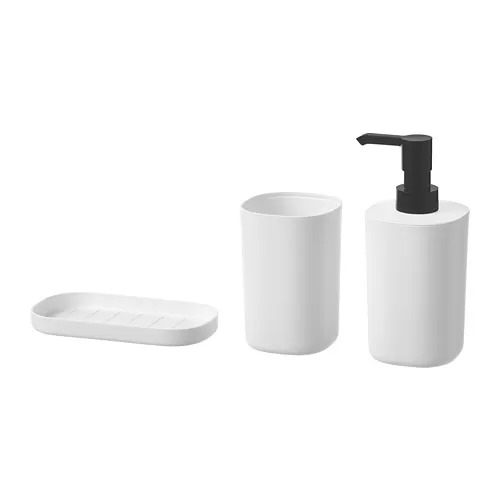
The STORAVAN bathroom accessories set helps keep toiletries organized and within easy reach. It includes a toothbrush holder, a soap dish, and a tray for small accessories.
The STORAVAN tray can also be used to store jewelry or small items to help prevent them from getting lost. You can use this product to organize personal essentials in your accommodation while traveling.
2. DIMPA Storage Bag
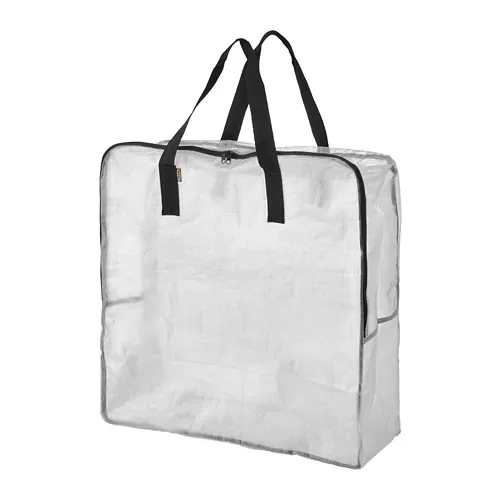
The DIMPA storage bag offers ample space for storing clothes or travel essentials. Its transparent material makes it easy to see what's inside without opening the bag.
The zipper helps keep stored items contained, while the surface can be cleaned with a damp cloth. The bag can also be folded flat when not in use, making it convenient to store.
3. VITMOSSA Throw
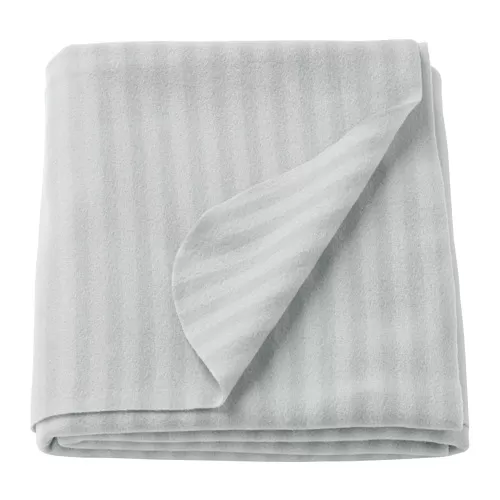
The VITMOSSA throw is made from soft, lightweight fleece, making it easy to bring along on a trip. Its practical size makes it suitable for traveling or relaxing during your stay.
You can use it to keep your feet warm while sitting or relaxing at your destination. It is also machine washable, making it easy to care for after use.
4. TÅSJÖN Slippers
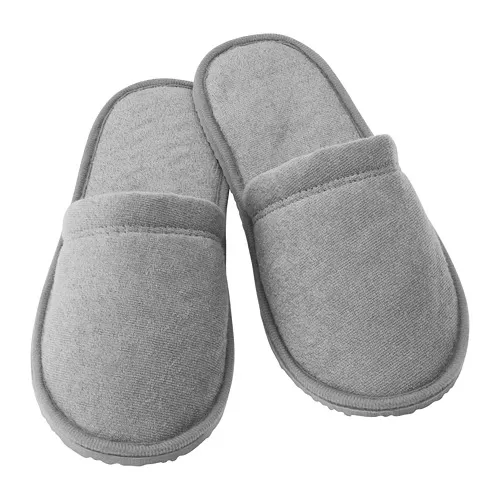
TÅSJÖN slippers are easy to put on and take off whenever you need convenient indoor footwear. Their soles are designed to provide a stable footing when worn indoors.
These slippers are suitable for relaxing at your accommodation or walking short distances around where you are staying. Comfortable footwear can help you unwind after a full day of activities.
5. FODERSKOPA Cable Organizer Bag
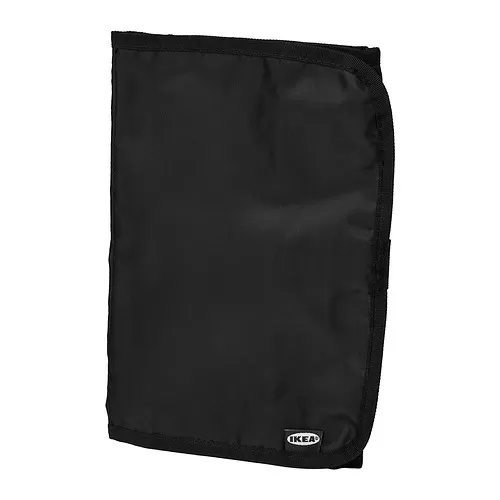
The FODERSKOPA cable organizer bag helps you store chargers, cables, and small electronic accessories in one place. Its compartments make it easier to group your belongings so you can find them quickly.
Its compact design makes it convenient to pack in your travel bag. You can also hang it open to see and access your accessories more easily.
Read also: How to pack clothes in a suitcase for trips and family holidays
Travel Comfortably with IKEA Travel Essentials
Traveling means going on a journey to gain new experiences, take a break, explore interesting destinations, or fulfill specific needs. With the right preparation, you can enjoy a more comfortable and organized trip.
Complete your travel essentials with practical products from IKEA, from storage accessories to everyday necessities. Visit IKEA.co.id to discover products that suit your needs and make preparing for your next trip easier.
FAQ
No. Traveling can take place within your own country, including visiting a city or tourist destination you have never been to before. Even a short trip to a nearby area can be a travel experience.
Yes. You can take a day trip without booking accommodation. Choose a destination with a manageable travel time so you can return home on the same day.
The best time depends on your destination, weather conditions, and planned activities. Check the local seasons and holiday calendar to avoid unfavorable weather or excessive crowds.
Research your destination, keep important documents secure, and use trusted transportation and accommodation services. Share your itinerary with someone you trust and avoid sharing excessive personal information with people you have just met.
Choose a destination suited to your children's ages and needs, and plan a schedule with sufficient rest breaks. Prepare food, spare clothes, health essentials, and simple entertainment to help keep children comfortable throughout the trip.