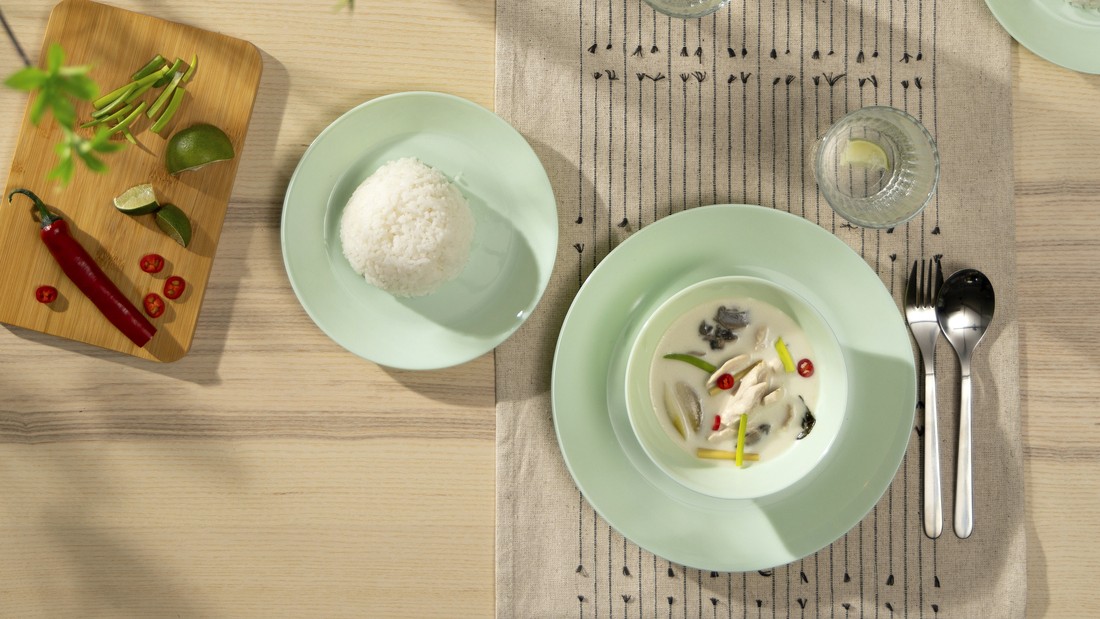
An appealing food presentation can make the dining experience more enjoyable. A well-arranged dish can also stimulate the appetite and make food look more appetizing.
To create an attractive presentation, several factors need to be considered, from choosing the right plate to arranging each food component. Read on to learn about plating techniques and how to apply them to make your dishes look more appealing.
Good plating does not have to be complicated or require expensive equipment. Instead, it involves paying attention to composition and cleanliness. Choosing the right serving dish can help highlight the food's appearance while making the dining experience more enjoyable.
What is plating in the culinary world?
In the culinary world, plating refers to the process of arranging and presenting main dishes, side dishes, sauces, and garnishes on serving ware. These can include plates, bowls, or other containers suited to the type of food being served.
The goal is to create a composition that makes each food component easy to identify and comfortable to eat. For example, the chicken remains the main focus, the vegetables are easy to reach, and the sauce is positioned to complement each bite.
Plating is not simply about decorating food. It also involves considering the balance of the composition and the functionality of the presentation. Proper arrangement helps each component stand out without compromising the dining experience.
Why is plating important for the dining experience and restaurants?
Plating influences a person's first impression of a dish. An appealing combination of colors, shapes, and arrangements can stimulate the appetite and make a meal feel more special.
For restaurants, consistent food presentation also helps establish a recognizable identity and professional image. Well-presented dishes can improve customer satisfaction while making the food more appealing to photograph and share on social media.
Effective food plating techniques
Several techniques can help make dishes look more appealing without compromising the dining experience. From choosing the right plate to positioning garnishes, every detail should suit the type of food being served.
Here are some techniques you can try:
1. Choosing the right plate
Choose a plate that suits the size and type of dish to ensure there is enough space for presentation. White plates work well with various types of food because they help the colors of the ingredients stand out.
The shape of the plate can also influence the overall appearance of a dish. Round plates create a classic look, while square plates can give the presentation a more modern feel.
2. Playing with colors and contrast
A balanced combination of colors makes food look fresher and more appetizing. Pair ingredients with different colors, such as green vegetables, orange carrots, and golden-brown protein.
Avoid using colors that are too similar, as this can make a dish look monotonous. Contrasting sauces or colorful accompaniments can help highlight the main components of the meal.
3. Combining different textures
A combination of textures adds variety to both the appearance of a dish and the eating experience. For example, crispy-skinned roast chicken can be served with fresh vegetables and smooth mashed potatoes.
Make sure each texture serves a purpose so the overall combination feels balanced. Avoid adding too many components with similar textures, as this can make the dish feel less varied.
4. Arranging food components
Position the main component as the focal point so that attention is immediately drawn to the most important part of the dish. Arrange the food by considering the size, shape, and proportions of each component.
Negative space on the plate can also make the presentation look neater. Avoid piling too many ingredients in one area so that each component remains easy to identify and reach.
5. Using sauces and garnishes
Sauces can add color while complementing the flavor of a dish. Apply an appropriate amount around the food or create a simple pattern to keep the plate looking clean.
Garnishes such as parsley leaves, lemon slices, or fresh herbs can add an attractive finishing touch. Choose garnishes that complement the flavor of the dish and are safe to eat to ensure that the decoration remains functional.
6. Keeping the plate clean
A clean plate makes the presentation look more professional and visually appealing. Before serving, check the edges of the plate to ensure there are no sauce stains, oil marks, or leftover food particles.
Use a clean cloth to remove any stains that appear during the plating process. Make sure there are no fingerprints or liquid splashes on the plate so the dish is ready to be served at its best.
Read also: Simple kitchen design ideas for a neat and cozy space
IKEA dining essentials for perfect plating
In addition to plating techniques, choosing the right dining essentials can help enhance the overall presentation of your dishes.
IKEA offers a wide range of products to complement your dining table, from plates to glasses that suit your everyday needs.
Here are some recommendations:
1. OFTAST deep plate
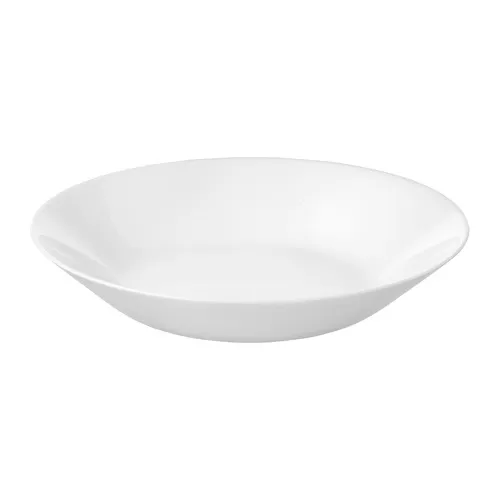
The OFTAST deep plate has an elegant, porcelain-like appearance and is made of durable tempered glass. It is microwave-safe and dishwasher-safe, making it practical for everyday use.
Its design is suitable for serving soup, pasta, and other dishes with broth or sauce while keeping the presentation neat. The plate's simple surface also helps highlight the colors and composition of your food.
2. SNUDDA lazy susan
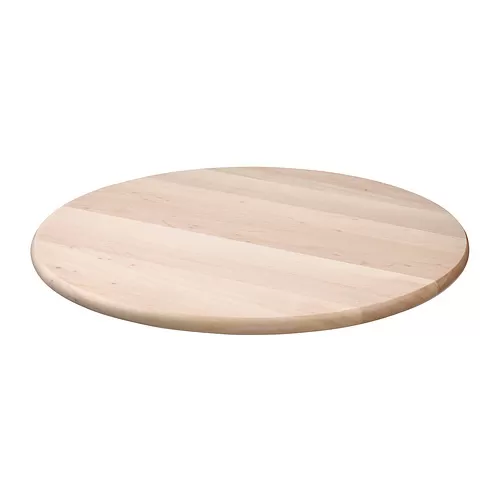
The SNUDDA lazy Susan is made of wood and features a practical round design for serving food. Its rotating feature makes it easy to reach dishes without having to move the board from its place.
This product is ideal for serving snacks, bread, or side dishes in the middle of the table. Its natural wood appearance can also add a warm, organic touch to your dining table.
3. DYRGRIP clear glass
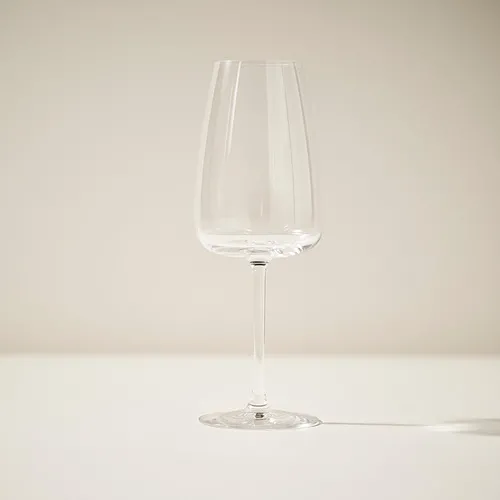
The DYRGRIP clear glass features a transparent design with an elegant Nordic style. Its clear appearance helps beverages look more appealing when served alongside a main course.
This glass combines functionality and aesthetics to complement your dining table. It is also designed for convenient everyday use and can be cleaned in a dishwasher.
4. ÅRFENHAJ chopsticks, set of 8 pairs
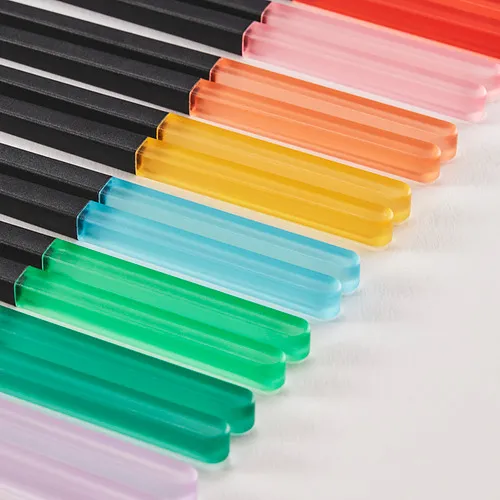
The ÅRFENHAJ chopsticks, available in a set of eight pairs, feature nonslip surfaces and a square shape that helps keep them stable on the table. Each pair has a different color at the top, making them easier to distinguish when dining with family.
These chopsticks are suitable for serving Asian dishes such as noodles, rice, and various Japanese specialties. The smaller size is also designed to help children learn to eat independently.
5. SKEDSTÖR mug
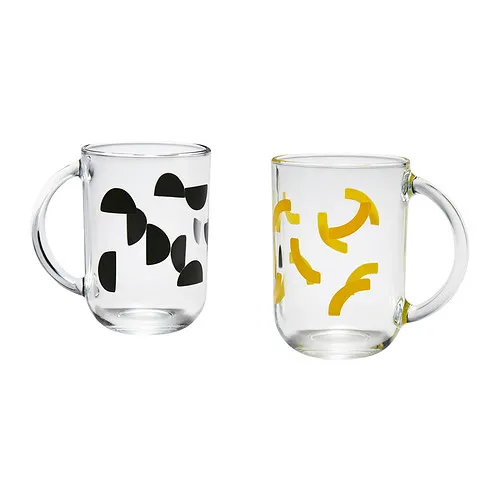
The SKEDSTÖR mug is made of tempered glass and is suitable for serving both hot and cold beverages. Its handle is designed to provide a comfortable grip when enjoying coffee, tea, or juice.
The coffee bean and leaf pattern adds an attractive touch to your dining table. Its design makes it suitable for everyday use while enhancing the presentation of your beverages.
Read also: Tips for organizing your kitchen for an easier cooking experience during Eid
Learn about plating and choose the right dining essentials
Plating is the technique of arranging and presenting food by considering composition, colors, textures, and cleanliness to make dishes look appealing and enjoyable to eat.
To help you achieve the best presentation, IKEA offers a variety of functional and attractive dining essentials to complement your kitchen and dining table.
Visit IKEA.co.id to explore a wide selection of plates, glasses, and serving accessories that suit your style. Complete your collection of dining essentials at home and create a more enjoyable dining experience with your family.
FAQ
Plating focuses on arranging food on serving ware before it is presented to diners. Food styling, on the other hand, involves arranging food for various visual purposes, including photography, advertising, and content production.
No. Plating can be done using plates of different colors and shapes, depending on the concept of the dish. White plates are often preferred because they provide a neutral background, but colored plates can also give a dish a distinctive character.
No. Plating can also be applied at home to make everyday meals look more appealing. Simple techniques, such as arranging side dishes and vegetables neatly, can already make a noticeable difference in the presentation.
Basic plating tools include plates or bowls, spoons, food tweezers, and sauce spoons. For more detailed arrangements, you can also use squeeze bottles for sauces, food molds, or culinary tweezers.
Start by arranging three main components on a plate: protein, vegetables, and carbohydrates. Once you become comfortable with the basics, you can experiment with color combinations, different textures, and sauce placement to create more appealing presentations.