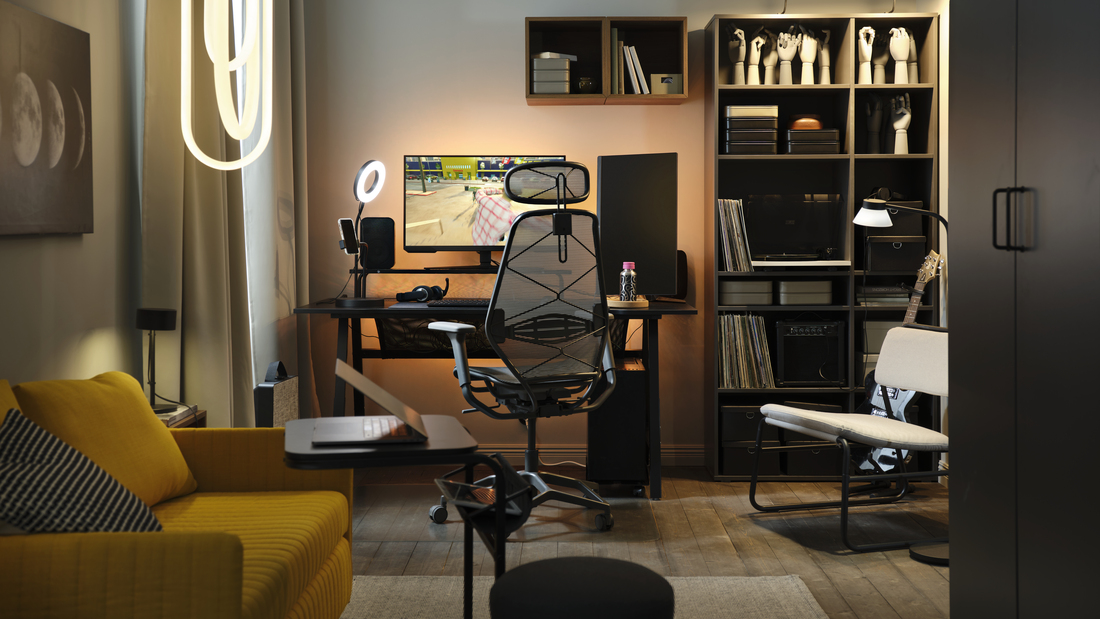
Sitting for too long can cause lower back discomfort, especially when a chair does not provide adequate support. Lumbar support can be one solution to help support the lower back when sitting for extended periods.
Using the right lumbar support can make your sitting position feel more comfortable and stable. Before choosing one, it is important to understand its function, types, and proper use so you can find an option that suits your body's needs.
Lumbar support can help support the lower back and improve comfort while sitting. Its effects may vary from person to person, so the position, size, material, and type of chair should be adjusted to individual needs.
What is lumbar support?
Lumbar support is a device or cushion designed to support the natural curve of the lower back. This support helps keep the lower back comfortable when the body leans against a chair.
Lumbar support can come in the form of a separate cushion, a built-in chair feature, or a belt worn around the body. The goal is the same: to support the lumbar area so the body is less likely to slouch or lose a stable sitting position.
The difference between lumbar support and a regular back cushion
Not all cushions can provide adequate support for the lower back. Lumbar support is specifically designed to accommodate the shape and needs of the lumbar area.
Lumbar support differs from regular cushions in the following ways:
-
Shape and density: Designed to follow the natural curve of the lower back.
-
Support: Provides adequate pressure without feeling too hard or too soft.
-
Adjustability: Some products can be repositioned to better fit the user's body.
-
Material: Available in materials such as memory foam and mesh, each with different characteristics.
-
Function: Focuses on supporting the lower back rather than simply providing cushioning.
Types of lumbar support and their characteristics
Lumbar support is available in several forms, each with different characteristics. Choose a type based on your needs, desired level of support, comfort, and intended use.
1. Memory foam lumbar support cushion
Memory foam is a type of foam material that conforms to the shape of the body when pressure is applied. A memory foam lumbar support follows the contours of the lower back and helps distribute pressure more evenly.
This type is suitable for office or home chairs because it can be easily moved as needed. The level of support is generally medium to firm. Choose a mesh cover if you tend to sweat easily, as memory foam can feel warmer when used for extended periods.
2. Mesh back support
Mesh back support is a backrest made from lightweight mesh material that provides better airflow. This type is suitable for hours of use, especially in relatively warm environments.
The level of support is usually light to medium. Its portable design and straps make it easy to use on office chairs or chairs that are frequently moved.
3. Orthopedic lumbar corset or brace
An orthopedic lumbar corset or brace is a support device worn directly on the body to support the lower back. A lumbar brace provides stronger compression and support around the waist, with some models featuring semi-rigid supports that help limit excessive movement.
This type generally provides firm support and is more suitable for specific needs. Its use should be adjusted according to the individual's condition and should not be worn continuously without guidance from a healthcare professional.
4. Elastic waist support belt
An elastic waist support belt is a flexible support that wraps around the waist and can be easily adjusted to fit the body. A waist support belt has a lighter and more flexible design compared with a lumbar brace.
This type is easier to use during daily activities or light exercise. It generally provides lighter support, making it less suitable for needs that require strong stabilization.
5. Lumbar support for car seats
Lumbar support for car seats is designed to follow the shape of the seat and fill the space around the lower back. Some models use foam or mesh with straps, allowing them to be attached and adjusted according to the user's sitting position.
This type is suitable for drivers or passengers who spend a lot of time in a vehicle. The position should be adjusted from the beginning to ensure the cushion is not too high, too low, too far forward, or putting excessive pressure on the back.
How lumbar support works for back health
Lumbar support works by supporting the natural curve of the lower back while sitting. This support helps keep the back in a more stable position, which may reduce the load on the lumbar area.
A more stable back position can also reduce the amount of work required from the muscles to maintain proper posture. This can make sitting for long periods more comfortable, especially when lumbar support is combined with an ergonomic chair and proper sitting posture.
Benefits of lumbar support for health and productivity
Lumbar support is not a substitute for medical treatment, but it can be used as an aid to improve comfort while sitting. Its use may provide benefits, especially for people who spend a lot of time sitting. Here are some of the benefits:
1. Reduces lower back pain and muscle fatigue
Support for the lumbar area helps maintain a more neutral back position while sitting. This can help reduce pressure and tension that may cause discomfort in the lower back.
Improved comfort can help prevent the body from becoming tired quickly when sitting for extended periods. The benefits may be more noticeable when the lumbar support is positioned according to the shape of the body and the chair being used.
2. Maintains a stable sitting posture and helps prevent long-term problems
Lumbar support helps fill the gap between the lower back and the backrest of a chair. This position makes it easier for the body to maintain a stable sitting posture without frequently slouching.
Good posture can also help reduce the habit of sitting in an uncomfortable position. Using lumbar support should still be accompanied by regular movement and rest breaks.
3. Additional benefits for office chair users and drivers
Office workers may feel more comfortable while working because the lower back receives appropriate support. A more stable sitting position can also help reduce fatigue during long working hours.
For drivers, lumbar support can help maintain a more comfortable sitting position during journeys. People who work from home, freelancers, and students can also use it to improve comfort during their activities.
Read also: Types of office chairs and their prices for more comfortable work
Signs your body may need lumbar support
Several simple signs may indicate that your chair does not provide enough support for your lower back. Pay attention to how your body feels while sitting and afterward to determine whether additional lumbar support may be needed.
-
Your lower back often feels sore after sitting for 1–2 hours.
-
You tend to slouch while sitting.
-
Your shoulders often move forward while working.
-
There is a gap between your lower back and the chair backrest.
-
Your back muscles feel tired quickly.
-
You spend most of the day sitting at the office.
-
You frequently drive long distances.
-
You experience mild to moderate lower back pain.
How to choose the right lumbar support
Choosing lumbar support should be based on your body’s needs and the type of chair you use. Consider the following factors to ensure the support feels comfortable and does not interfere with your sitting position.
-
Material: Choose memory foam for support that conforms to your body’s contours or mesh for better airflow.
-
Thickness: Foam around 4–5 cm thick can be a starting point, then adjust it according to your body shape and comfort.
-
Adjustability: Choose a model that can be moved up and down or forward and backward for easier positioning.
-
Breathability: Materials with good airflow are more comfortable to use in hot weather.
-
Size: Match the lumbar support size to your back height and width as well as the type of chair you use.
-
Chair type: Make sure the lumbar support is suitable for an office, car, gaming, or home chair.
-
Overall ergonomics: Also consider the armrest position and chair height to help maintain a balanced posture.
Recommendations for comfortable chairs and lumbar support cushions at IKEA
Lumbar support helps fill the gap between the chair backrest and lower back, providing better support for the body.
IKEA offers a variety of chairs and lumbar support cushions that can be considered for added comfort while working or carrying out daily activities. Here are some recommendations:
1. FLINTAN
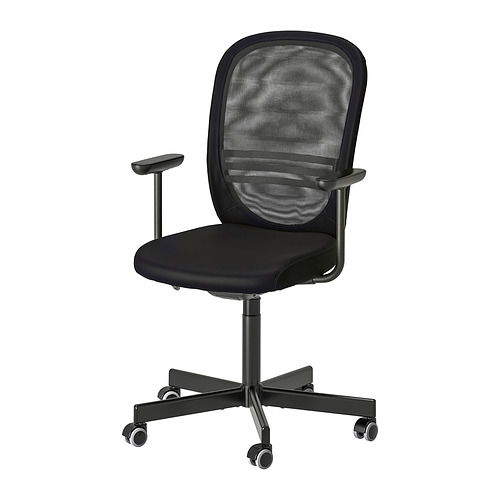
FLINTAN is an ergonomic office chair with a high backrest and mesh material that helps keep the body comfortable. The chair features lower back support and several adjustable features that can be customized to the user's body.
The lumbar support on FLINTAN helps maintain good posture and reduce pressure on the lower back. The chair height can also be adjusted, making it easier to find a sitting position that suits the user's height.
2. MARKUS
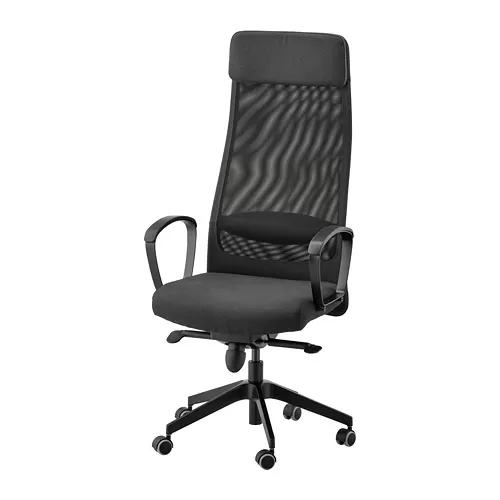
MARKUS features a high backrest and a curved design that provides support for the lower back. This design allows users to lean back more comfortably when sitting for long periods.
Its tilt mechanism can be adjusted to achieve a suitable reclining position. This feature helps users find a more relaxed sitting position while working or carrying out daily activities.
3. JÄRVFJÄLLET
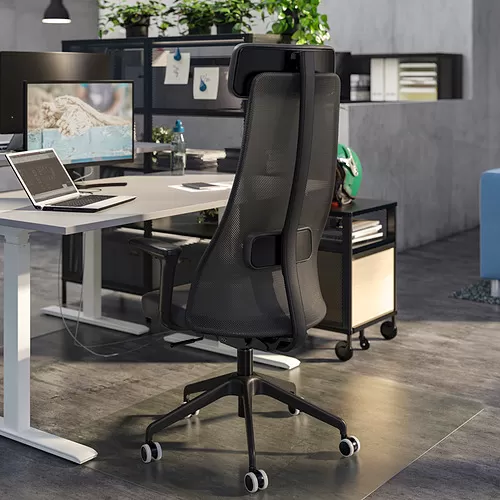
JÄRVFJÄLLET features a mesh backrest that allows good air circulation during extended use. This material is suitable for users who prioritize comfort and prefer to keep their backs from feeling too warm.
The chair also has various adjustable features to help users customize their sitting position according to their body. These features make it worth considering for long hours of work.
4. GRÖNFJÄLL
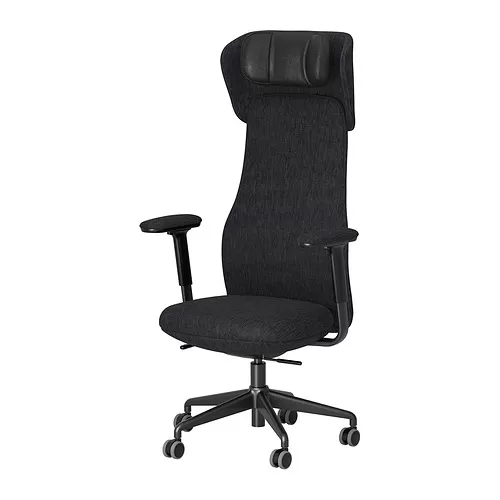
GRÖNFJÄLL has an ergonomic design intended to provide support and comfort while working. Its curved headrest and adjustable features allow users to customize their body position according to their needs.
The 3D armrests can be adjusted in height and width to suit the user's requirements. These adjustments help create a more relaxed arm position when using a computer or other devices.
5. BORTBERG
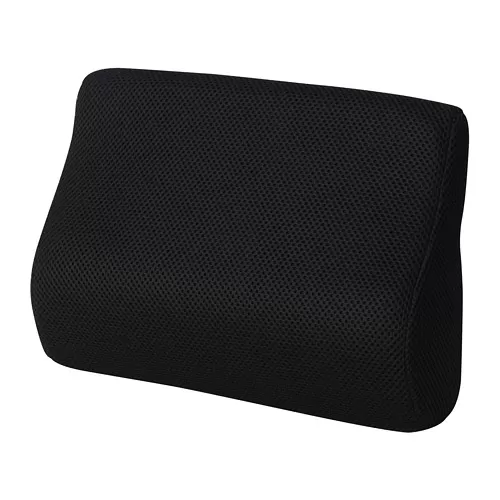
BORTBERG is a lumbar cushion that can be attached to a favorite chair using hook-and-loop fasteners and a sewn cover. The cushion helps users sit more upright while providing support for the spine and lower back.
BORTBERG uses memory foam with a density of 50 kg/m³ and measures 31 × 23 cm with a thickness of 9 cm. Its practical design makes it a suitable option for users who want to add lumbar support to an existing chair.
Read also: Ergonomic office chairs: a smart investment for work productivity
Tips for maintaining back health beyond relying on lumbar support
Lumbar support works more effectively when combined with healthy sitting habits. Apply the following simple habits to keep your back comfortable during daily activities.
-
Sit with your back against the chair's backrest.
-
Adjust the chair height so your feet can rest flat on the floor.
-
Make sure the monitor is at or slightly below eye level.
-
Avoid sitting in the same position for too long.
-
Do light stretches regularly.
-
Stand up and walk around briefly after sitting for a long time.
-
Position the keyboard and mouse so your shoulders remain relaxed.
-
Choose a chair that suits your body size and needs.
The importance of choosing the right chair and lumbar support cushion
Lumbar support is a cushion or support feature that helps support the natural curve of the lower back while sitting. Proper use can improve comfort, help maintain good posture, and reduce fatigue caused by prolonged sitting.
IKEA offers a variety of chairs with lumbar support features as well as additional cushions that can be adjusted to individual needs. Find suitable chairs and workspace accessories at IKEA.co.id to create a more comfortable and ergonomic workspace.
FAQ
Lumbar support can be used with various types of chairs as long as its shape and size are compatible with the chair's backrest. Make sure it does not push your back too far forward or cause discomfort.
Lumbar support can be used with a gaming chair if its size and shape are compatible with the chair's backrest. Choose an adjustable model that does not interfere with your sitting position or the chair's reclining function.
Lumbar support can generally be used every day as long as it feels comfortable and suits your body shape. You should still change positions, stand up, and move regularly to avoid sitting in the same position for too long.
Lumbar support is generally designed to support the back while sitting, not as a sleeping aid. Using it while sleeping should depend on your individual needs and sleeping position, especially if you have specific back problems.
Lumbar support may help improve comfort while sitting, but it cannot correct scoliosis. If you have scoliosis or a specific spinal condition, choose the appropriate support based on advice from a healthcare professional.