Japanese interior design is known for its simple, minimalist, functional layouts that prioritize comfort.
One interesting element you can incorporate into your home is the concept of sleeping on the floor, especially if you want to create a minimalist bedroom with a more spacious feel.
Before adopting this concept, there are a few things to consider to ensure that using a futon remains comfortable and suits your needs. Let's explore its characteristics, types, benefits, and tips for choosing the right one for your bedroom.
Traditional Japanese futons differ from modern futons that feature frames or folding mechanisms. Before choosing a mattress for direct floor use, check the manufacturer's instructions regarding the appropriate surface and maintenance requirements.
What is a futon?
A futon is a traditional Japanese bedding set that generally consists of a thin mattress and a blanket that can be spread out on the floor. It is designed to be easy to use and store away when not in use.
Traditional futons are usually placed on tatami mats or other suitable flooring surfaces. This allows the room to have more available space when the bedding is not being used.
Components of a futon
Traditional Japanese futons consist of several bedding components, each serving a different purpose. Together, these components help create a comfortable sleeping environment while making efficient use of space.
Here are the main components of a futon:
1. Shikibuton
A shikibuton is a thin mattress that serves as a sleeping surface. It is placed on tatami mats or other suitable flooring to provide cushioning for the body during rest.
2. Kakebuton
A kakebuton is a thick blanket used to cover the body while sleeping. Unlike the shikibuton, which serves as a mattress, the kakebuton helps keep the body warm throughout the night.
3. Tatami
Tatami is a traditional Japanese flooring material often used as a surface for placing futons. Traditional tatami mats typically feature a compacted rice straw core and a woven igusa grass surface, while modern versions may use different materials.
The tatami surface affects how the bedding feels and how it comes into contact with the floor. Sleeping on a futon placed on tatami can feel different from sleeping on one placed directly on ceramic tiles.
Read Also: 10 Ways to Fall Asleep Fast and Sleep Better Tonight
Futon as a space-saving sleeping solution
The use of futons is closely linked to the Japanese practice of making efficient use of living space. Because futons can be folded and stored away, a bedroom can be used as a sitting area or activity space during the day.
In traditional Japanese homes, futons are often stored in an oshiire, a dedicated closet for household items, including mattresses and blankets.
The practice of laying out a futon at night and storing it away after waking up helps keep the room neat and organized.
Differences between japanese futons and other types of mattresses
Each type of mattress has different characteristics and usage requirements. To help you make an informed choice, here is a comparison of Japanese futons, Western-style futons, sofa beds, and conventional mattresses based on their design, function, and space requirements.
|
Aspect |
Japanese Futon or Shikibuton |
Western-Style Futon |
Sofa Bed |
Conventional Mattress |
|
Shape and construction |
A thin mattress that can be folded or rolled up. |
A mattress with a frame that can be adjusted into different positions. |
A sofa that converts into a bed. |
A mattress made of foam, springs, latex, or a combination of materials. |
|
Placement surface |
Tatami or suitable flooring. |
A compatible frame, depending on the design. |
An integrated frame and mechanism. |
A suitable bed frame or support base. |
|
Function |
Primarily designed for sleeping. |
Designed for sitting and sleeping. |
Designed for sitting and sleeping. |
Primarily designed for sleeping. |
|
Storage |
Can be folded or moved. |
The frame can be adjusted into a specific position. |
Can be folded, reclined, or pulled out. |
Usually remains in place on its support base. |
|
Space requirements |
Requires floor space when in use. |
Requires space when unfolded. |
Requires space to operate the conversion mechanism. |
Requires space for the mattress and its support base. |
|
What to check |
Size, thickness, weight, and maintenance requirements. |
Frame strength, hinges, and dimensions. |
Mechanism, sleeping surface, and weight capacity. |
Materials, dimensions, and support requirements. |
How to choose a futon that suits your sleeping needs
Choosing a futon involves more than considering its appearance and design. Pay attention to comfort, room conditions, and ease of maintenance to ensure that the bedding meets your everyday needs.
-
Determine the mattress size: Choose a mattress length and width that suit your height and available room space.
-
Check the mattress thickness: Select a thickness that provides the cushioning you prefer and the comfort your body needs.
-
Consider the filling material: Foam, cotton, and other materials have different characteristics in terms of density and comfort.
-
Check the recommended placement surface: Find out whether the mattress can be placed directly on the floor or requires a specific base.
-
Choose a model that is easy to store: Folding or roll-up mattresses can be practical options for rooms with limited space.
-
Consider maintenance requirements: Choose a product that is easy to clean and comes with clear care instructions.
-
Set a budget: Compare the materials, features, and durability of different products before making a purchase.
Futon and bedding recommendations at IKEA
If you want to create a comfortable and practical sleeping area, choose a mattress and supporting base that suit your room and needs. IKEA offers a range of mattresses and mattress bases worth considering for your home sleeping area.
Here are some recommendations:
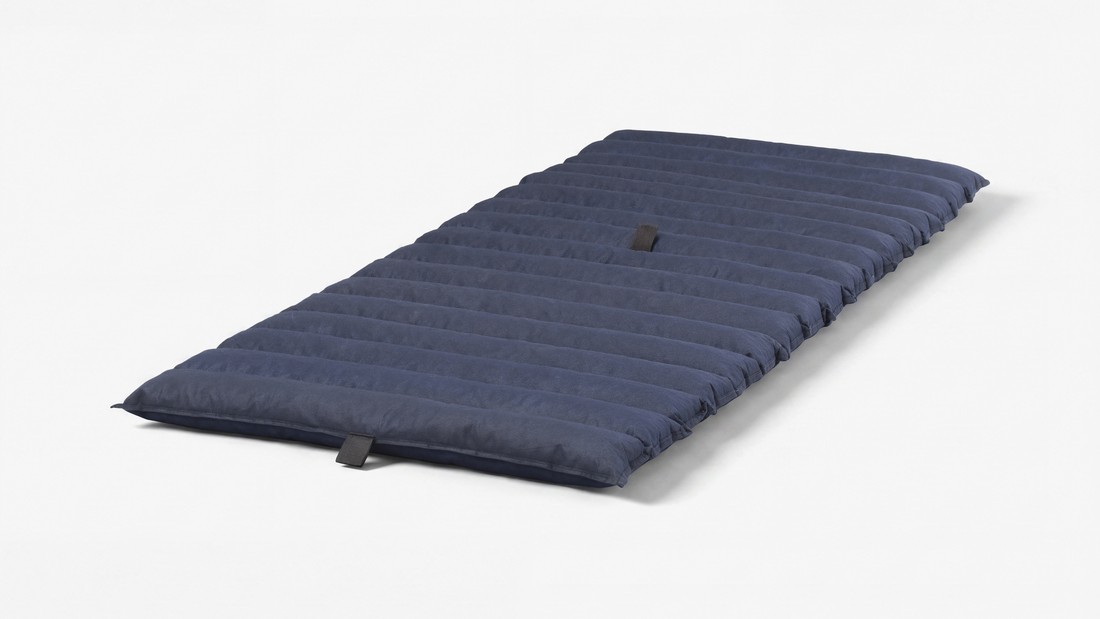
1. JESSHEIM futon mattress
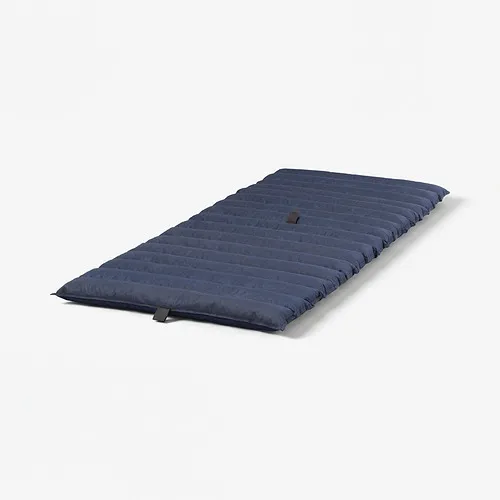
The JESSHEIM futon mattress features foam filling that provides comfortable cushioning for lying down. Its design allows it to be used without a bed frame, subject to the product's usage instructions.
The mattress can be rolled up and secured with straps for more compact storage. Its roll-packed design also makes it easier to transport home.
2. NISSEHOLM mattress pad
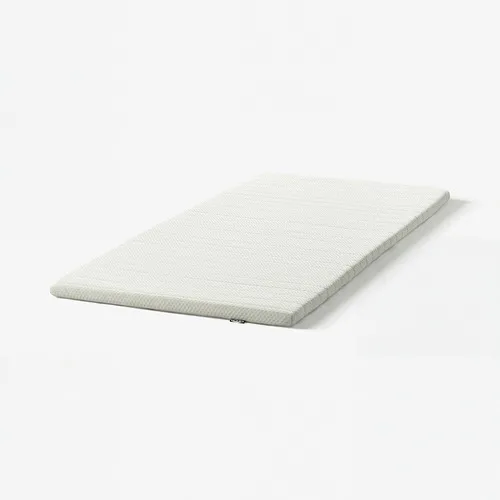
The NISSEHOLM mattress pad features high-resilience foam that provides a firmer surface while adding softness. Its stretch fabric follows body movements, while the wadding layer adds cushioning and helps support airflow.
The mattress pad has two sides that can be used alternately. Its cover can be removed and machine-washed according to the care instructions.
3. NÄSFJÄLLET mattress pad
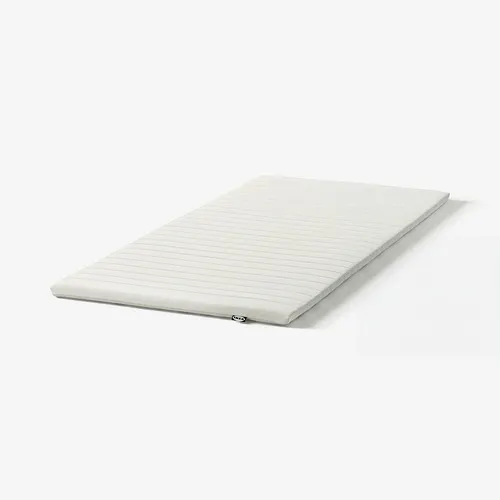
The NÄSFJÄLLET mattress pad uses standard foam to provide cushioning and support for a comfortable night's sleep. Its wadding layer and soft woven fabric cover add to the comfort of the surface.
Both sides of the mattress pad can be used alternately for greater practicality. The product can also be rolled up, and its cover can be removed and machine-washed according to the care instructions.
4. BRUKSVARA mattress pad
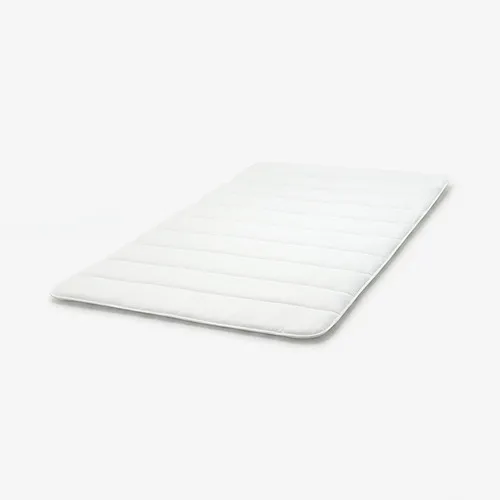
The BRUKSVARA mattress pad features a soft filling layer that adds cushioning to your main mattress. Its fabric feels gentle against the skin and is designed for comfortable everyday use.
Elastic straps at each corner help keep the mattress pad in place. Its material is also designed to resist shrinking and wrinkling, making it easier to maintain.
5. LYNGÖR slatted bed base
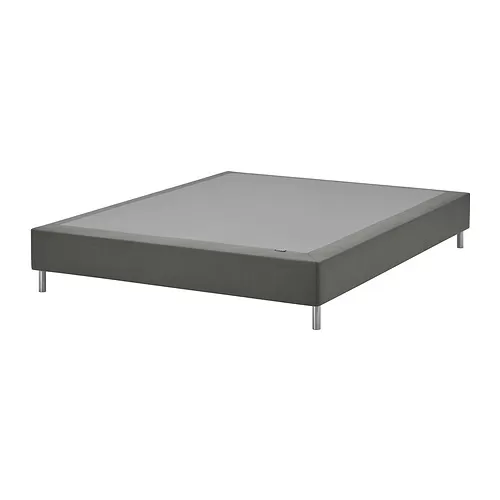
The LYNGÖR bed base uses flat slats to create an even and uniform foundation for a mattress. Its design provides support for mattresses that are compatible with the product's specifications.
The bed base cover can be removed and machine-washed according to the care instructions. The product is also designed for easy assembly and transportation in flat-pack packaging.
Read Also: 10 Ways to Fall Asleep Fast and Sleep Better Tonight
Choose the right futon for a comfortable night's sleep
A futon is a traditional Japanese bedding solution that offers a practical way to save space.
A futon is a traditional Japanese bedding solution that helps save space. Its foldable design makes it easy to store when not in use, keeping your bedroom tidy and flexible for daytime activities.
IKEA offers a variety of mattresses and mattress pads to help you create a comfortable sleeping area while making the most of your space. Choosing the right options helps you make the most of your space while keeping your bedroom open, organized, and comfortable.
Visit IKEA.co.id to explore a range of bedding products and find inspiration for creating a bedroom that feels more comfortable, organized, and functional.
FAQ
The comfort of sleeping on a futon depends on its thickness, firmness, sleeping position, and individual physical needs. Choose a sleeping surface that provides adequate support to help your body remain comfortable while resting.
A futon may not be suitable for everyone with back pain because individual support needs vary. Choose a mattress based on your comfort preferences and support requirements. Consult a healthcare professional if the pain persists.
A futon can be used daily as long as its materials and construction are suitable for regular use. Follow the manufacturer's instructions for use, drying, storage, and maintenance to keep the mattress in good condition.
Make sure the futon has adequate airflow and is not stored while damp. Air it out or dry it according to the care instructions, then store it only after it is completely dry.
A futon can be placed on ceramic tile flooring if the manufacturer permits this type of use. Make sure the floor is clean and dry, and check for moisture beneath the mattress regularly to help prevent mold growth.