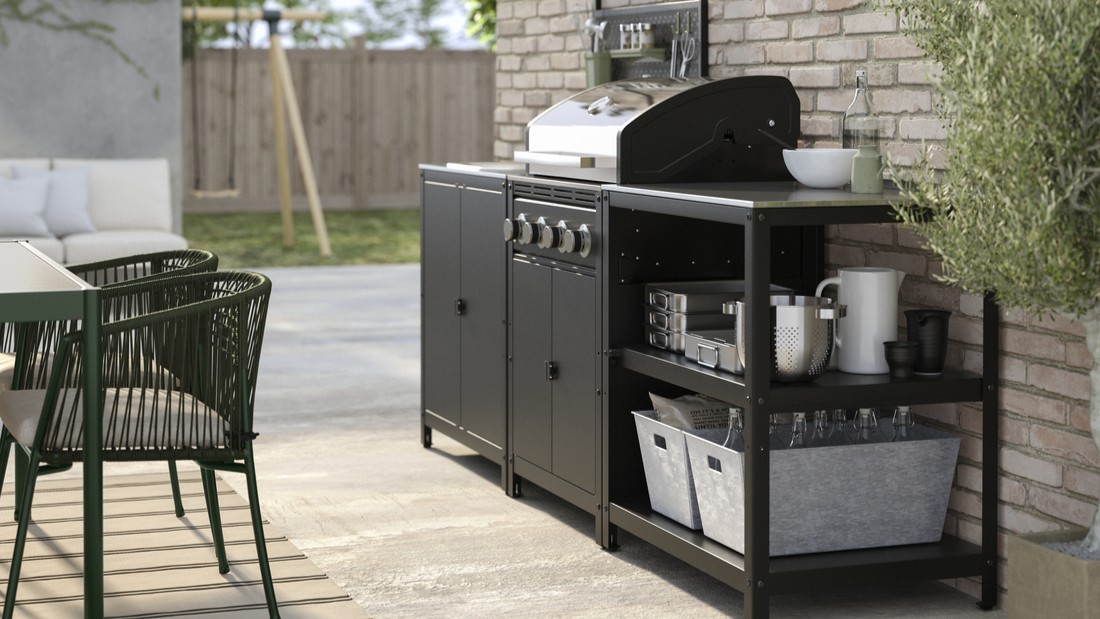
Deep frying is a cooking technique that involves completely submerging food in hot oil until it is cooked through. This method is commonly used to prepare French fries, crispy fried chicken, battered fish, and doughnuts.
Well-executed deep frying produces a crispy exterior while keeping the inside fully cooked. The oil temperature, condition of the ingredients, thickness of the coating, and cooking time all affect the final result.
Read on to learn how to deep fry food properly so it turns out crispy, evenly cooked, and not excessively greasy.
Oil that is too cool can make fried food absorb more oil, while oil that is too hot may cause the exterior to burn before the inside is fully cooked. That is why controlling the oil temperature and cooking time is essential.
What is deep frying and how does it work?
Deep frying is a cooking method that involves completely submerging food in hot oil until it is cooked through. The oil transfers heat to the food, cooking it from the surface toward the center.
When food is placed in hot oil, heat moves from the surface into the interior. At the same time, moisture inside the food evaporates, while the surface gradually dries out and develops a crispy crust.
The final result depends on the oil temperature, food size, moisture content, and cooking time. Proper control of these factors helps produce food that is crispy on the outside and cooked through on the inside without burning the surface too quickly.
Foods that are suitable for deep frying
Deep frying is suitable for foods that benefit from a crispy exterior. It can be used to prepare a variety of ingredients, including fresh produce and foods coated in flour or batter. Here are some examples:
-
Potatoes and cassava: Develop a crispy exterior and a tender interior when cut and cooked properly.
-
Chicken, nuggets, and battered fish: Form a crispy outer coating while allowing the inside to cook through.
-
Battered shrimp and squid: Develop a crispy coating when cooked for an appropriate amount of time to prevent the seafood from becoming too tough.
-
Doughnuts and other batter-based snacks: Develop a golden-brown color and cook evenly when fried at the right temperature.
For the best results, cut ingredients into relatively uniform sizes and pat fresh ingredients dry before frying. For frozen foods, follow the package instructions and handle them carefully to minimize oil splatters.
Read also: Choices of kitchen tools to make cooking activity more enjoyable
How to deep fry food for a crispy finish
Crispy fried food requires proper ingredient preparation and careful oil temperature control. Follow these steps to ensure food cooks evenly and maintains its crispy texture.
-
Choose the right oil. Use cooking oil that remains stable at high temperatures and has a suitable smoke point for deep frying.
-
Heat the oil to the right temperature. Maintain a temperature of around 150–180°C (302–356°F) as a general guideline, adjusting it to the type of food and recipe. Use an oil thermometer to monitor the temperature throughout the cooking process.
-
Prepare the ingredients. Cut ingredients into uniform sizes, pat their surfaces dry, and apply an even coating of flour or batter. For frozen foods, follow the package instructions.
-
Fry in manageable batches. Add food gradually to prevent the oil temperature from dropping too much. Avoid overcrowding the pan, as this can lead to uneven cooking.
-
Drain the food after frying. Remove the food using a skimmer or suitable tongs, then place it on a wire rack to allow excess oil to drain and steam to escape. Avoid stacking or covering freshly fried food, as trapped steam can soften the crispy coating.
Common deep frying mistakes and how to fix them
Mistakes during deep frying can affect the texture and doneness of food. Here are some common problems and how to address them.
-
Food turns out too greasy: Make sure the oil is sufficiently hot before frying and avoid adding too much food at once to prevent a significant drop in temperature.
-
The exterior burns too quickly: Lower the oil temperature and adjust the cooking time according to the size and thickness of the ingredients.
-
The coating falls off easily: Apply the coating evenly and remove any excess flour before frying.
-
The inside remains undercooked: Adjust the size of the ingredients and cooking time. For chicken and meat, use a food thermometer to ensure the internal temperature reaches a safe level.
Recommended cookware for deep frying
The right kitchen accessories can help you prepare ingredients and handle hot cookware while cooking. Here are some cookware from IKEA that can support your deep frying routine.
1. VARDAGEN frying pan
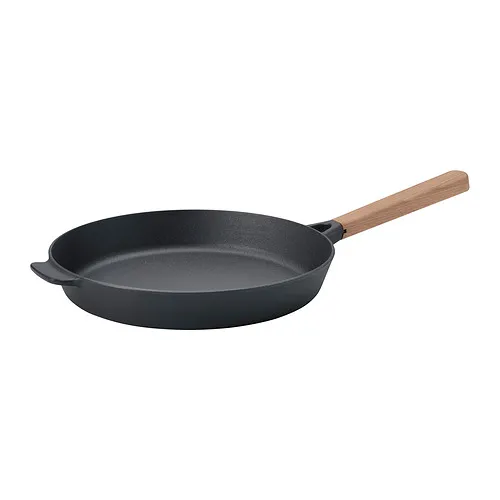
The VARDAGEN frying pan is made of cast iron and features a solid beech wood handle. It measures 26 cm in diameter, 4 cm in height, and 47 cm in total length. Its cast iron construction helps distribute heat evenly and retain heat for longer.
2. HILDEGUN apron
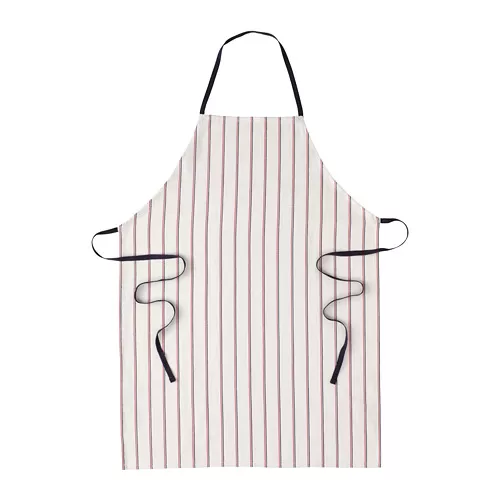
The HILDEGUN apron is made of 100% cotton and measures 84 cm long and 63 cm wide. It helps protect your clothes from oil splashes and food stains while preparing ingredients and frying food.
3. LÄMPLIG trivet
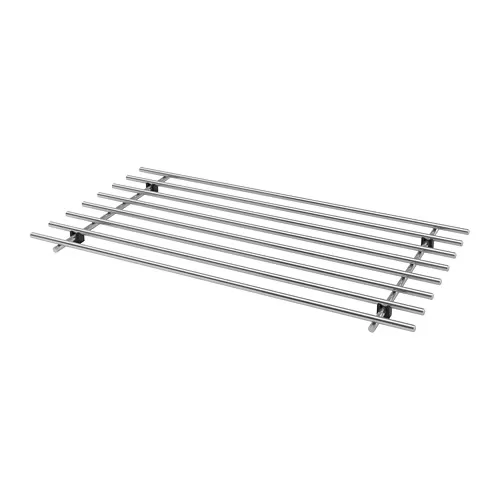
The LÄMPLIG trivet is made of stainless steel and features plastic feet that help protect countertops from scratches and heat. It can be used as a base for placing hot pots or pans on a suitable surface after cooking.
Master deep frying with the right technique
Deep frying can produce crispy food with a fully cooked interior when done correctly. The results depend on the oil temperature, ingredient preparation, batch size, and cooking time.
Before frying, make sure the ingredients are properly prepared and use suitable cookware. Pay attention to safety when handling hot oil, and drain the food after cooking to help maintain its crispy texture.
Visit IKEA.co.id for kitchen inspiration and a range of cooking essentials that can help make preparing meals more practical.
FAQ
Deep frying is a cooking technique that involves completely submerging food in hot oil until it is cooked through.
A temperature range of 150–180°C (302–356°F) can serve as a general guideline, but the ideal temperature depends on the type of food and the recipe.
This can happen when the oil temperature is unstable, the ingredients are too wet, or freshly fried food is stacked while still hot.
Yes. A sturdy, deep pan with sufficient capacity can be used, provided that the amount of oil, stability of the cookware, and cooking safety are carefully managed.
Check the oil's color, smell, and condition after it has cooled. Strain out food residue if the oil is still suitable for reuse, and discard it if it shows signs of deterioration.