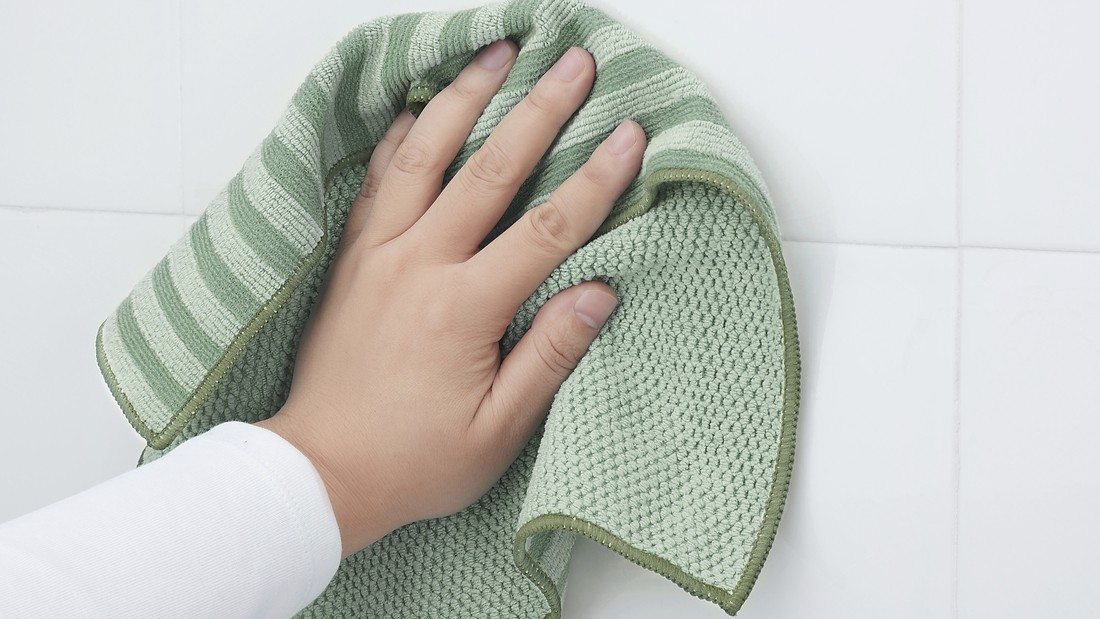
Cleaning cloths are one of the household essentials that are almost always needed to keep your home clean. From tables and windows to furniture, the type of cloth you use can affect the results after cleaning.
One commonly used option is a microfiber cloth. Its very fine fibers can help pick up dust and dirt while absorbing water when used to clean various surfaces.
To learn more about microfiber cloths, from their characteristics to their uses around the home, keep reading.
The fiber structure of microfiber gives the cloth the ability to absorb water and trap dirt, making it suitable for different cleaning needs around the home.
What is a microfiber cloth?
A microfiber cloth is a cleaning cloth made from extremely fine synthetic fibers. These fibers are usually made from polyester and polyamide or nylon, which are processed into a soft, tightly woven fabric.
The small size of the fibers allows microfiber to reach surfaces more effectively when cleaning. The cloth can also help pick up dust and absorb water without leaving behind many fibers on the surface.
These characteristics make microfiber suitable for various cleaning needs, from wiping tables and windows to cleaning household furniture.
What is a microfiber cloth used for?
Microfiber cloths can be used for various cleaning tasks at home, depending on the surface and type of dirt you want to remove. Here are some common uses:
-
Removing dust: Microfiber fibers help capture dust and small particles from furniture surfaces.
-
Absorbing water: Its absorbency can help dry tables, windows, or other surfaces after they get wet.
-
Cleaning glass: Soft microfiber cloths can help clean glass and mirrors without leaving behind many fibers.
-
Cleaning furniture: Microfiber can be used on tables, cabinets, electronic devices, and various household surfaces.
-
Cleaning floors: Microfiber can also be used with mopping tools to help pick up dust and light dirt.
Why is microfiber different from regular cloth?
The main difference between microfiber and regular cloth lies in the structure of its fibers. Microfiber uses very fine and tightly packed fibers, which can help capture small particles and absorb water effectively.
Its soft texture also makes microfiber suitable for various surfaces. However, the cloth should still be kept clean so that trapped dirt does not rub against the surface being cleaned.
Also read: Recommendations for floor mops and how to choose them
Types of microfiber cloths based on their uses
Different types of microfiber cloths can be chosen based on the surface and cleaning task. Here are some common uses for microfiber cloths:
1. For glass and shiny surfaces
Microfiber cloths with fine fibers are suitable for cleaning windows, mirrors, and shiny surfaces. They can help remove dirt without leaving behind much lint or scratches.
2. For absorbing water
Microfiber can also be used to dry wet surfaces. Some microfiber pads have high absorbency, helping remove excess water after cleaning.
3. For furniture and hard-to-reach areas
Microfiber cloths can be used on various types of furniture, including hard-to-reach areas. Some cleaning tools even have microfiber covers designed for narrow spaces, while others are intended for larger surfaces.
How to choose a microfiber cloth
Choose a microfiber cloth based on your needs rather than size or price alone. Here are some things to consider:
-
Consider the type of surface: Choose a cloth that is suitable for glass, furniture, floors, or vehicles.
-
Check the softness of the cloth: A soft surface is more comfortable to use on surfaces that can easily show marks.
-
Consider absorbency: If you plan to use the cloth for drying surfaces, choose microfiber with good water absorption.
-
Check the stitching and edges: Edges that are too rough may make the cloth less comfortable to use.
-
Choose the right size: Smaller cloths are more practical for narrow surfaces, while larger ones can help clean wider areas.
Recommended microfiber cloths and cleaning tools for your home
For everyday home cleaning, choose a cloth or cleaning tool based on the area you want to clean. IKEA provides a variety of cleaning products that can help clean surfaces throughout your home.
1. PEPPRIG microfiber cloth
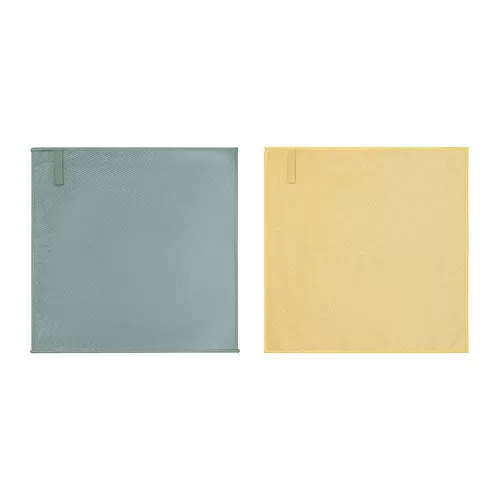
PEPPRIG microfiber cloth can be used to clean windows, mirrors, and other shiny surfaces. Its practical shape makes it easy to use by hand when cleaning different surfaces around the home.
2. PEPPRIG squeegee pad
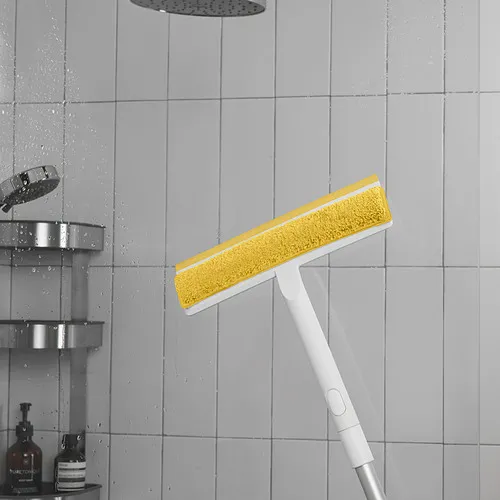
PEPPRIG 2-in-1 combines a microfiber pad with a rubber squeegee. The pad has high absorbency to help clean windows and shiny surfaces, while the rubber section helps wipe away excess water.
3. PEPPRIG microfiber cleaning pad
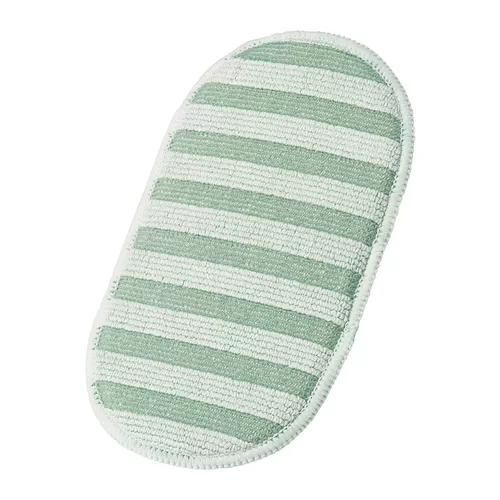
PEPPRIG cleaning pad can be used to clean glass, mirrors, and shiny surfaces. It can also be held by hand or attached to a brush head depending on your needs.
4. PEPPRIG microfiber pad
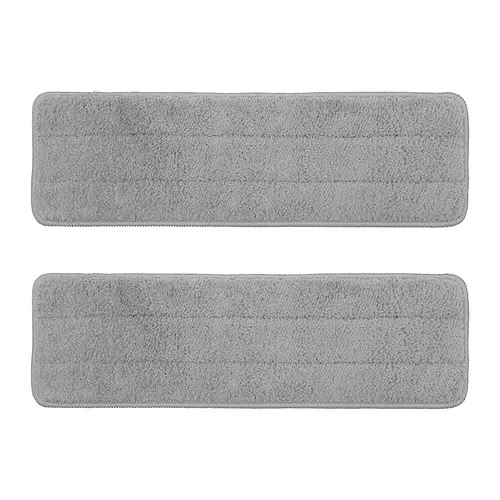
PEPPRIG microfiber pad measures 12 × 37 cm. It is absorbent and quick-drying and can be used as a refill for the PEPPRIG flat mop. It is recommended to replace the cloth or mop-head refill every six months to maintain optimal performance.
How to care for microfiber cloths
Microfiber cloths can be reused when washed and stored properly. After use, clean the cloth to remove dust, dirt, or oil residue before using it again.
-
Wash after use to prevent dirt from building up between the fibers.
-
Keep it separate from fabrics that shed easily so other fibers do not stick to the microfiber.
-
Avoid bleach and fabric softener as they can affect the characteristics of the fibers.
-
Follow the product care instructions because washing requirements can vary between cloths.
-
Dry thoroughly before storing so the cloth stays clean and ready for reuse.
Also read: 5 cleaning tools for spotless and streak free glass and mirrors!
Choose a cloth based on your home cleaning needs
Microfiber cloths can be a practical choice for various household cleaning tasks, but each type of cloth has different functions. By considering the material, softness, absorbency, and type of surface, you can choose a cloth that better suits your needs.
If you are looking for cleaning supplies to help with household chores, IKEA provides a variety of cleaning products and accessories that can be adapted to your home's needs.
Visit IKEA.co.id to discover more practical solutions that can help make cleaning your home easier.
FAQ
A microfiber cloth is a cleaning cloth made from very fine synthetic fibers, generally polyester and polyamide or nylon. Its fiber structure helps the cloth pick up dirt and absorb water.
Microfiber cloths can be used to remove dust, dirt, and water residue from various surfaces. They can be used on glass, mirrors, furniture, household appliances, and vehicles.
Yes. Microfiber cloths can be washed and reused as long as you follow the product care instructions. Avoid products such as bleach or fabric softener if they are not permitted by the care instructions.
Yes. Microfiber with a soft surface can be used to clean glass and mirrors. Some microfiber products are specifically designed for shiny surfaces and can help clean them without leaving much lint or scratches.
Choose one based on the surface and intended use. Consider the softness, absorbency, size, stitching quality, and care instructions so the cloth can be used comfortably and according to your needs.