
Mats are commonly used for various activities, from resting to exercising. Choosing the right mat can help improve comfort and support your everyday needs.
Everyone has different requirements when choosing a mat, depending on the activity and how it will be used. To help you make the right choice, let's explore what you need to know about mats in the following guide.
Mats serve various purposes, from supporting exercise movements to providing a comfortable surface for sleeping. Choose the right material, thickness, and type of mat to ensure greater safety and comfort.
The functions of mats in everyday activities
Mats provide a surface for various activities, from exercising to sleeping. Their primary function depends on the material, thickness, and design, which should be suited to the user's needs.
In general, mats serve several purposes.
1. Providing cushioning and reducing pressure on the body
Mats provide cushioning that helps reduce pressure on body parts that come into contact with the surface.
For this reason, mats are often used during exercise to cushion the knees or elbows when they rest on the floor. They are also commonly used for sleeping to provide a layer between the body and the floor during rest.
2. Providing a surface for various activities
Mats provide a surface for specific activities without requiring direct contact with the floor. They can improve comfort during stretching, yoga, floor exercises, and rest.
3. Helping maintain comfort and stability
The surface characteristics of a mat can affect comfort and stability during use.
Exercise mats require adequate grip to prevent the hands and feet from slipping, while sleeping mats need to provide support suited to the body's needs.
Read Also: Complete guide to choosing the best mattress for comfortable sleep at home
Types of mats for everyday activities
Mats come in various types, each designed for different purposes. To make the right choice, understand the characteristics of each type based on the activity you plan to do.
Here are some common types of mats.
1. Yoga, pilates, and fitness mats
Yoga, Pilates, and fitness mats are designed to support body movements during exercise. Each type has different cushioning and stability requirements, depending on the movements involved.
Yoga mats generally feature designs that support balance and provide grip. Meanwhile, mats for floor exercises may prioritize additional cushioning to improve comfort when the body rests on the surface.
2. Gymnastics and martial arts mats
Gymnastics and martial arts mats are designed to support activities involving rolling, landing, or falling. Their materials and thickness should be suited to the level of impact they may need to absorb.
Mats used for pencak silat, judo, and gymnastics do not always have the same requirements. Follow the specifications recommended by your coach or sports facility to ensure the mat provides appropriate support for the activity.
3. Weightlifting mats
Exercise mats designed for body workouts differ from floor protection used for weightlifting. Exercise mats support body comfort, while rubber flooring or weightlifting platforms are designed for specific types of equipment and training.
When choosing a surface, consider the weight of the equipment and the type of exercise. Not all rubber tiles can withstand the impact of barbells, particularly when used on upper floors.
4. Sleeping mats
Sleeping mats are designed to provide a surface and support for the body during rest. Options range from foam mats and futons to air mattresses for specific needs.
Choose a sleeping mat based on where and how often you plan to use it. Check the product specifications before using it for everyday sleeping, travel, or camping.
Common materials used in mats
Mat materials affect comfort, flexibility, grip, and ease of maintenance. Below are some commonly used materials and their characteristics to consider before making a purchase.
|
Material |
Common Uses |
Characteristics to Check |
Notes |
|
PVC (polyvinyl chloride) |
Yoga and exercise mats |
Texture, flexibility, weight, and grip |
Resistance to heat and cleaning products depends on the product. |
|
TPE (thermoplastic elastomer) |
Yoga and fitness mats |
Elasticity, shape retention, and traction |
A TPE label does not automatically mean the product is easy to recycle. |
|
NBR (synthetic nitrile rubber) |
Cushioned exercise mats |
Thickness, softness, and resilience |
Excessively soft cushioning may reduce stability during certain movements. |
|
EVA (ethylene-vinyl acetate) |
Foam mats and interlocking tiles |
Density, texture, and joint strength |
Make sure the panels do not come loose or shift easily. |
|
Rubber |
Mats and fitness flooring |
Composition, weight, texture, and intended use |
Some products can be quite heavy or have a distinctive odor. |
How to choose a mat for your needs
The right mat should suit your activity, room conditions, and comfort preferences. Consider the following factors before making your choice.
-
Determine the intended use: Choose an exercise mat, an impact-absorbing training mat, or a sleeping mat based on your needs.
-
Check the thickness and density: Match the cushioning to the type of movement or body support required.
-
Consider the grip: Choose a surface that helps prevent the mat and your body from slipping.
-
Choose the right material: Consider comfort, durability, and ease of maintenance.
-
Select the appropriate size: Make sure the mat is large enough for your activity and fits the available space.
How to use and maintain a mat
Proper use and maintenance help keep a mat in good condition and comfortable to use. Follow these steps to maintain cleanliness and extend its lifespan.
-
Place the mat on a flat, stable floor.
-
Make sure both the mat and the floor are clean and dry before use.
-
Use the mat according to its intended purpose and the product's stated limitations.
-
Clean the surface regularly according to the manufacturer's instructions.
-
Allow the mat to dry completely before rolling it up or storing it.
Sleeping mat recommendations from IKEA
If you are looking for a practical sleeping surface for different needs, IKEA offers a range of mattresses with various designs and features.
Here are some options to consider based on your available space, comfort preferences, and storage needs.
1. RESTFUL folding mattress
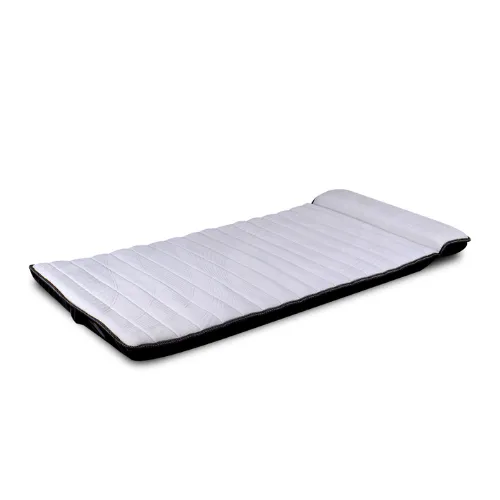
The RESTFUL folding mattress is suitable for anyone who needs a practical sleeping surface that is easy to move. It can be rolled up and stored in its included bag, making it easier to carry when traveling or store when not in use.
The product features a cover made from 100% polyester fabric and a polyurethane foam filling. The underside uses a special synthetic fabric, while the storage bag is made from spunbond nonwoven material.
2. JESSHEIM futon mattress
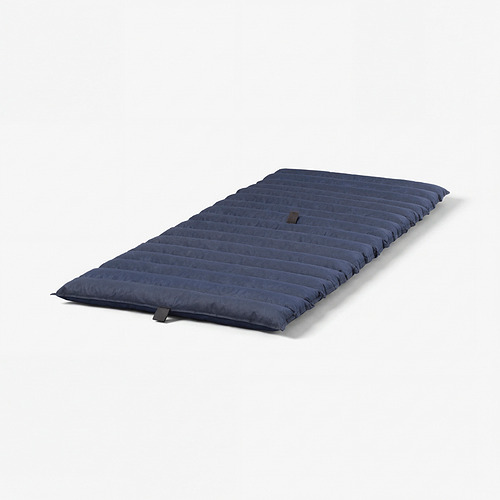
The JESSHEIM futon mattress features foam construction and can be placed directly on the floor without a bed frame. Its design is suitable for anyone looking for a simple and flexible sleeping option.
The mattress can be rolled up and secured with its fasteners and ties for compact storage. Its rolled packaging also makes it easier to transport home.
3. VADSÖ spring mattress
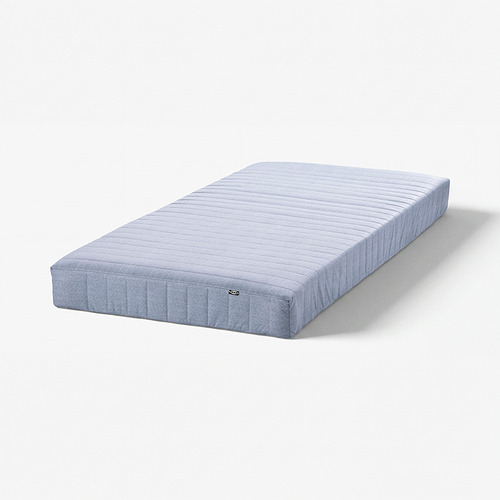
The VADSÖ spring mattress features Bonnell springs that create a stable sleeping surface. Its open construction also helps promote airflow. The cover includes padding to enhance comfort when lying down.
The mattress can be rolled up, making it easier to transport home. It also comes with a 10-year guarantee, subject to applicable terms and conditions, which should be reviewed before purchasing.
4. VESTMARKA spring mattress
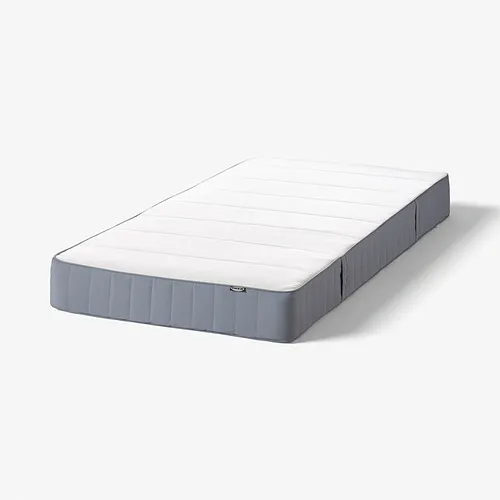
The VESTMARKA spring mattress is approximately 18 cm high and features Bonnell springs to provide a stable sleeping surface. It is suitable for those looking for a mattress with a firmer feel.
A layer of foam on top provides additional cushioning when lying down. The quilted cover with cotton filling also adds comfort to the mattress surface.
5. ÅFJÄLL foam mattress
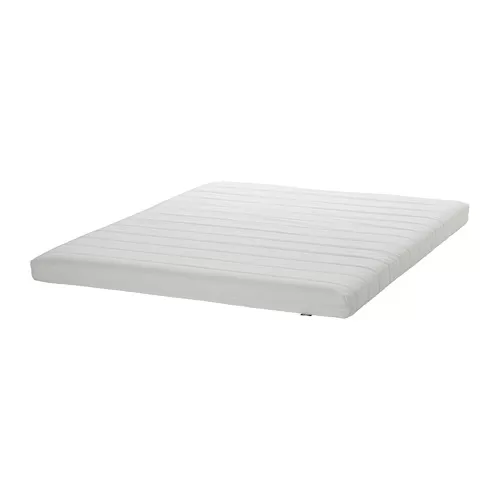
The ÅFJÄLL foam mattress is approximately 12 cm thick and has a firm construction to support the body during sleep. Its foam layer and padded cover help provide comfort when lying down.
The mattress cover feels soft and can be removed for machine washing, following the care instructions. This feature makes it easier to keep the mattress clean during everyday use.
Find the right mat and mattress at IKEA
Mats provide surfaces designed to support various activities, including exercise, physical training, and sleep. Their functions include providing cushioning, helping maintain stability during movement, and offering a comfortable surface for rest.
If you are looking for a sleeping mat or mattress, IKEA offers a variety of options with different designs, materials, and features to suit your needs and support a comfortable night's sleep.
Visit IKEA.co.id to explore the mattress collection, compare product specifications, and find the right sleeping mat or mattress for your needs and available space.
FAQ
Yes, as long as the mat is designed for regular use and is suitable for the intended activity. Check the product specifications, material durability, and care instructions to ensure it remains suitable for use.
Not all mats need to be placed directly in sunlight. Follow the manufacturer's instructions, as excessive heat may affect the shape or quality of certain materials.
A mat's lifespan depends on its material, frequency of use, and maintenance. Replace it if it becomes damaged, develops shape changes that affect comfort, or no longer functions as intended.
Check for tears, peeling surfaces, loose joints, or sections that no longer return to their original shape. A mat that has lost its stability or no longer provides the support required for its intended use should be replaced.
Yes, as long as the surface remains stable and does not slip easily. Make sure the carpet does not cause the mat to buckle or compromise your balance when exercising.