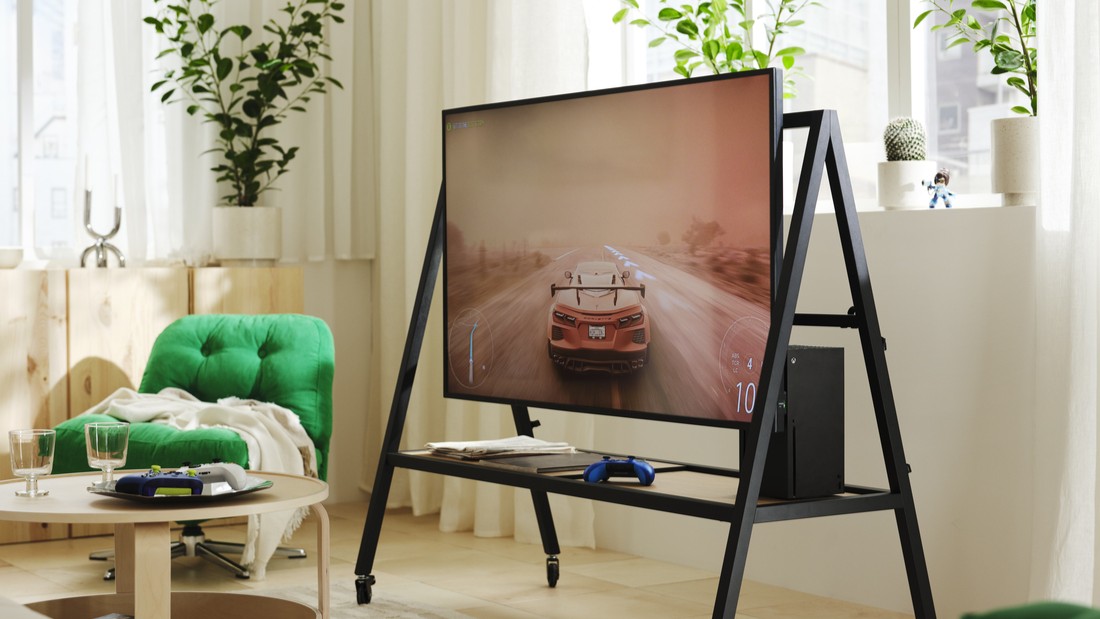
Choosing the right TV size is not just about screen dimensions. It should also be matched to the size of the room and the furniture being used. The right TV stand or table size helps create a balanced, organized, and comfortable viewing area.
Every room has different needs, from compact bedrooms to larger living rooms. To avoid choosing the wrong size, let’s explore this guide to TV sizes, how to measure them, and recommended TV tables.
TV size in inches refers to the diagonal length of the screen, not the overall width of the TV. Always check the TV’s complete dimensions and the furniture’s weight capacity before purchasing to ensure the TV can be placed safely and proportionally.
Common TV sizes
TV sizes are generally expressed in inches based on the diagonal length of the screen. The following table can serve as a starting point for matching your TV size to your room dimensions and viewing distance.
Here is a list of common sizes:
| TV Size | Diagonal | Approx. Width × Height | Ideal Room Size | Viewing Distance |
|---|---|---|---|---|
| 32 inches | ±81 cm | ±71 × 40 cm | 8–12 m² | 1.2–2 m |
| 43 inches | ±109 cm | ±95 × 53–54 cm | 12–18 m² | 1.5–2.5 m |
| 55 inches | ±140 cm | ±122 × 68–69 cm | 15–25 m² | 2–3 m |
| 65 inches | ±165 cm | ±144 × 81 cm | 20 m² and above | 2.5–3.5 m |
| 75 inches | ±190 cm | ±166 × 93 cm | Large rooms | 3 m and above |
| 85 inches | ±216 cm | ±188 × 106 cm | Very large rooms | 3 m and above |
1. Small sizes (24–40 inches)
24–40-inch TVs are suitable for small apartments, bedrooms, kitchens, or home offices. Their compact size makes them easy to place on a small TV table, TV stand, or wall.
A 32-inch TV has a diagonal of approximately 81 cm and is suitable for an 8–12 m² room with a viewing distance of around 1.2–2 meters. A 40-inch TV offers a larger viewing area for small rooms without making the space feel too crowded.
2. Medium sizes (43–55 inches)
43–55-inch TVs are popular choices for living rooms and family rooms. These sizes offer a good balance between viewing comfort and room proportions.
A 43-inch TV is suitable for a room of approximately 12–18 m² with a viewing distance of 1.5–2.5 meters. A 50–55-inch TV is more suitable as a primary TV and can be paired with a TV table with shelves for storing game consoles and accessories.
3. Large sizes (65–85 inches)
65–85-inch TVs are suitable for larger rooms and users who want a more cinematic viewing experience. These sizes require sufficient viewing distance to ensure the screen remains comfortable to watch.
A 65-inch TV has a diagonal of approximately 165 cm and is suitable for rooms of 20 m² or larger. 75–85-inch TVs provide a more immersive experience, requiring a sturdy and proportional TV table or stand with sufficient space around it.
4. Extra-large sizes (98 inches and above)
TVs measuring 98 inches and above are suitable for very large rooms with sufficient viewing distance. These large screens can provide an almost theater-like experience at home, requiring more careful space planning.
For very large-screen viewing, a projector can also be a flexible alternative. This option should be considered based on room lighting, screen quality, and viewing habits.
Read also: Minimalist TV cabinet styling ideas with 4 interior themes
How to measure your tv size correctly and accurately
Measuring your TV helps determine the right installation position and furniture size. The measurement focuses on the active screen’s diagonal, not the entire TV body or bezel. Here is how to do it:
1. Measure the screen diagonally without the bezel
Turn off the TV and measure from one inner corner of the screen to the opposite corner diagonally. Use a measuring tape or flexible measuring tool to make the measurement easier and more accurate.
Record the measurement in centimeters, then divide it by 2.54 to convert it to inches. If the TV is still in a store or packaging, use the official specifications label as the primary reference.
2. Convert inches to centimeters
Converting the size is useful when determining the width of a TV table, distance from the wall, or available space on a TV stand. Modern TVs generally use a 16:9 aspect ratio, allowing the screen width and height to be estimated based on the diagonal size.
The simple formulas are: width ≈ diagonal × 0.872 and height ≈ diagonal × 0.490. For example, a 32-inch TV measures approximately 71 × 40 cm, a 55-inch TV approximately 122 × 68–69 cm, and a 65-inch TV approximately 144 × 81 cm.
3. Tips for measuring a mounted tv or a tv in a store
A mounted TV can be measured directly from one screen corner to the opposite corner using a measuring tape. If the TV is mounted too high, ask someone to assist you or use a measurement app on your phone as an initial estimate.
When shopping in a store, check the official dimensions and TV depth before choosing furniture. Also measure the available space at home, including the distance from the sofa, to make it easier to match the TV and TV table.
Recommended TV sizes based on room type
Room size and viewing distance are key considerations when choosing a TV. The following recommendations can serve as a starting point before adjusting them to your home’s specific conditions.
1. Family room or living room
55–75-inch TVs are suitable for many modern family rooms and living rooms. A 55-inch TV is ideal for a viewing distance of around 2–3 meters, while 65 inches and above are more suitable for larger rooms.
The TV table should be proportional to the screen size and provide sufficient storage space. Shelves or drawers can be used to store remotes, consoles, and accessories, keeping the area organized.
2. Bedroom or small room
32–50-inch TVs are generally more comfortable for bedrooms or smaller spaces. A 32–43-inch TV is suitable for shorter viewing distances, while a 50-inch TV can be considered if the room is slightly larger.
Slim furniture helps keep the room spacious and comfortable. The TV can also be wall-mounted to save floor space.
3. Home theater or dedicated entertainment room
A home theater can use a 65–85-inch TV or larger to create a more immersive viewing experience. A viewing distance of around 3 meters or more can provide a more comfortable field of view.
In addition to screen size, consider lighting, audio, and the placement of supporting devices. A dedicated media stand can help keep the area functional without disrupting the overall appearance of the room.
TV stand and table recommendations from ikea
IKEA offers a variety of TV tables in different sizes and designs to suit various room requirements. Some models also offer storage space and cable management features to help keep the TV area organized.
1. FJÄLLBO
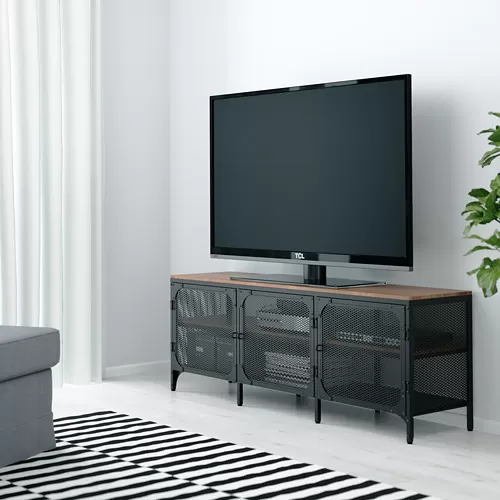
FJÄLLBO combines metal and solid wood with a distinctive rustic design. The open back makes cable management easier, while the metal mesh doors allow remote control signals to reach the devices.
The adjustable legs help keep the TV table stable on uneven floors. This model is suitable for those who want an industrial-style TV area with open storage.
2. BYÅS
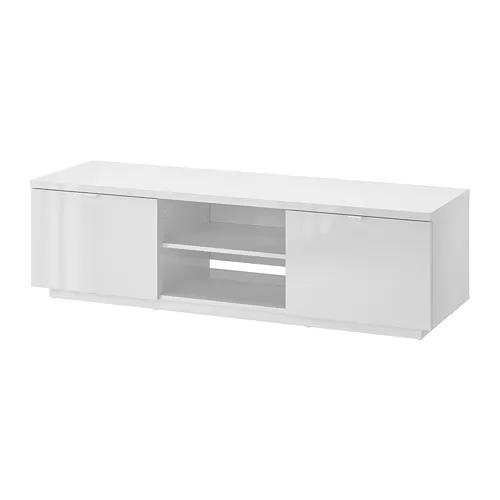
BYÅS combines open compartments with closed storage. Its adjustable shelves help you organize space for game consoles, media players, and other electronic devices.
The flexible storage makes this TV table suitable for areas that require a more organized appearance. Its modern design also pairs easily with various interior styles.
3. BRIMNES
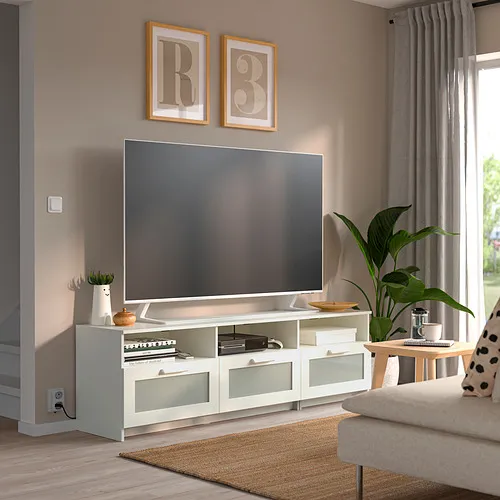
BRIMNES features large drawers for storing remotes, controllers, and TV accessories. Its cable outlets help keep cables organized while ensuring they remain accessible when needed.
The closed storage creates a cleaner-looking TV area. This model is suitable for those who prioritize storage functionality in their TV furniture.
4. BESTÅ
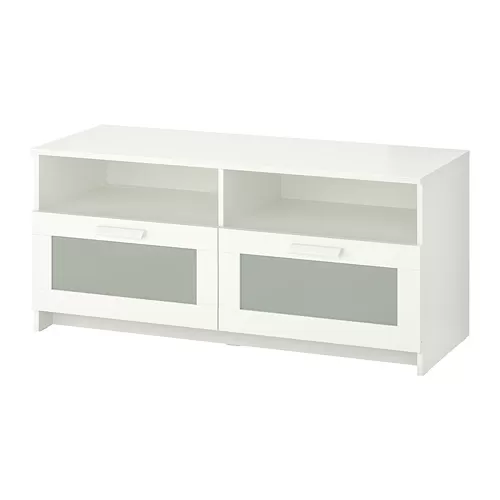
BESTÅ is available in several sizes, making it flexible enough to suit different TVs and room requirements. Certain models feature cable outlets, adjustable legs, and various combinations of shelves, drawers, or doors.
The system also allows you to create a storage combination based on your needs. Choose the right size by considering the TV width, TV weight, weight capacity, and product installation requirements.
5. LACK
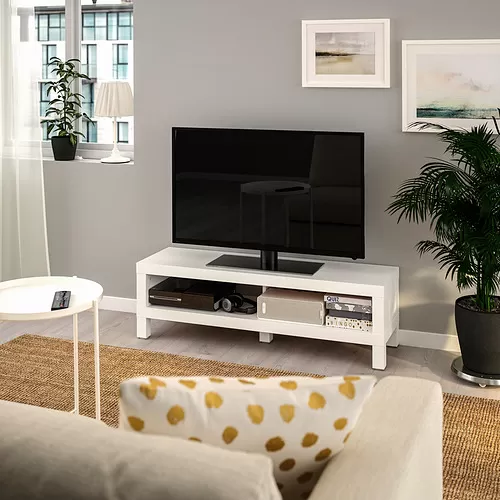
LACK features a simple design that can easily be combined with other furniture. Its compact form makes it suitable for rooms that need a practical TV table.
The available sizes can be matched to your room and TV requirements. Its minimalist design is ideal for creating a simple entertainment area without making the space look crowded.
Read also: Comfortable TV room ideas for different home styles
Risks of choosing the wrong tv size
Choosing the wrong TV size can affect both viewing comfort and the overall appearance of the room. Some risks to consider include:
-
Eye strain caused by a screen size that does not match the viewing distance.
-
A less immersive viewing experience because the screen is too small.
-
An unbalanced room appearance because the TV is too large or too small.
-
Wasted budget and space because the TV size does not match your needs.
-
Difficulty arranging furniture because the TV table or stand is not the right size.
-
A less satisfying long-term TV viewing experience.
The right size makes the viewing experience feel more natural and the surrounding furniture more functional. There is no single TV size that is ideal for every home, as the best choice depends on the room, viewing distance, and user needs.
Have you determined the right tv size for your room?
The ideal TV size should be matched to the room size, viewing distance, and furniture dimensions. After choosing the right screen size, make sure the TV stand or table has the appropriate dimensions, weight capacity, and storage space.
IKEA offers a variety of TV stands and tables to help create an organized and functional entertainment area. Visit IKEA.co.id to explore the available products and find options that suit your space.
FAQ
No. 4K TVs are available in various sizes, allowing you to enjoy high-resolution content on both small and large screens. The screen size should still be matched to the viewing distance and room size.
Yes, screen size can affect power consumption, although electricity usage also depends on the panel technology, brightness level, and TV features. Check the energy label or product power specifications for more accurate information about electricity consumption.
Most modern TVs use a 16:9 aspect ratio. This ratio has become a common standard for television broadcasts, streaming, and various video content.
A bezel is the frame surrounding the TV screen. Its size can vary between models, meaning the TV’s overall dimensions may be larger than the screen size stated in inches.