Want to start running regularly but not sure where to begin? You don't need to aim for a certain distance or speed right away. With the right approach, running can become a comfortable habit that's easier to maintain.
Check out these tips for beginner runners, from warming up and planning your training schedule to staying hydrated and recovering properly so your workouts become more enjoyable.
For most beginner runners exercising for less than 60–90 minutes in normal weather conditions, plain water is generally sufficient to meet hydration needs. Electrolyte drinks are usually more beneficial during longer runs, in very hot weather, or when you sweat heavily.
1. Start running with realistic goals
Starting a running habit doesn't have to begin with ambitious goals. By giving your body time to adapt gradually, you can reduce the risk of injury while building a more sustainable exercise routine.
Don't immediately aim for a 5K or 10K
Many people make completing a 5K race their first goal. However, if you're just starting to exercise, it's better not to rush toward that distance. Focus first on building a consistent habit, for example by setting a running duration of 20–30 minutes.
This approach allows your body to adapt to the training load without putting it under excessive strain. In addition, avoid comparing yourself with other runners, as everyone has different physical conditions and adaptation processes.
Use the walk-run interval method
One of the most recommended methods for beginners is the walk-run interval, which combines walking and running within a single workout session. For example, you can walk for two minutes, then jog for one minute, and repeat the pattern several times.
This method helps your body adapt more comfortably to the impact of running while gradually improving endurance.
Increase your running duration gradually
Once you begin to feel comfortable, increase your running duration little by little, for example by adding around 5–10 minutes every few weeks according to your body's ability. Avoid increasing your duration, speed, and training frequency all at once, as changes that are too drastic may increase the risk of injury.
This progressive training principle is widely recommended in beginner running guides because it gives your body enough time to adapt.
2. Don't skip warming up before running
A warm-up is an important part of running because it helps increase body temperature, improves blood flow to your muscles, and prepares your joints for movement. By warming up beforehand, you can also reduce the risk of muscle stiffness during your workout.
Warm up for about 5–10 minutes
Start your running session by walking briskly for a few minutes to gradually raise your heart rate. Then continue with dynamic stretching such as leg swings, walking lunges, or high knees to activate the muscles that will be working while you run.
Dynamic warm-ups are considered more suitable before exercise because they involve active movements that improve flexibility while preparing your body for physical activity.
Focus on the joints that work the hardest
During your warm-up, pay extra attention to the joints that bear the greatest load while running, namely your ankles, knees, and hips. Movements such as ankle circles, leg swings, and hip openers can help improve your range of motion, allowing your body to feel more prepared before you start running.
Cool down after running
After finishing your workout, don't stop abruptly or sit down immediately. Cool down by walking at a relaxed pace for about 5–10 minutes, then continue with light stretches for your leg and hip muscles.
This stage helps your heart rate return to normal gradually, reduces muscle stiffness, and supports your body's recovery after exercise.
3. Set a training schedule to give your body time to adapt
Besides managing your training intensity, it's equally important to plan your running schedule wisely. Your body needs time to adapt to a new training load, making recovery an essential part of the process.
Training 2–3 times a week is enough
For beginners, running 2–3 times a week is sufficient to gradually build fitness. Leave at least one rest day between training sessions so your muscles, tendons, and joints have time to recover.
Avoid the temptation to run every day during your first few weeks because your body still needs time to adjust to this new activity.
Listen to your body
Feeling mild muscle soreness after exercise is common, especially when you're just beginning a running routine. However, sharp, persistent, or worsening pain should never be ignored.
If you experience these symptoms, reduce your training intensity or take a rest until your body feels ready again. Learning to recognize the difference between soreness and pain will help you train more safely over the long term.
Sleep is part of your training
Your progress as a runner is determined not only by your workouts but also by your recovery. Getting enough sleep helps your body repair muscle tissue, supports adaptation, and restores energy for your next training session.
4. Stay hydrated before and after running
When you run, your body loses fluids through sweat, so it's important to pay attention to hydration before, during, and after your workout. Maintaining proper fluid balance helps your body perform more efficiently and reduces the risk of dehydration, especially when exercising in hot or humid weather.
Start your workout well hydrated
It's best to drink water before you start running so your body has an adequate fluid reserve. Don't wait until you feel thirsty, as thirst usually appears when your body has already begun to lose fluids.
This simple habit can help you stay comfortable while running, especially if your workout lasts more than a few dozen minutes.
Use a water bottle that's easy to carry
Bringing your own water bottle makes it easier to stay hydrated before and after your run.
With a water bottle always within reach, it's easier to build the habit of staying hydrated as part of your exercise routine.
Read also: Is it safe to use a plastic water bottle every day?
Rehydrate after your workout
After your run, replenish your body's fluids by drinking water. For longer training sessions or workouts in hot weather where you sweat heavily, electrolyte drinks may also be considered when needed.
Just as importantly, avoid both dehydration and excessive fluid intake to help maintain your body's fluid balance.
5. Wear clothing and gear that keep you comfortable
Running gear doesn't have to be expensive or excessive, especially if you're just getting started. The most important thing is to choose equipment that keeps your body comfortable while moving so you can focus on building a consistent exercise habit.
Choose clothing that absorbs sweat well
When you run, your body produces sweat to help regulate its temperature. Therefore, choose clothing made from materials that can absorb and wick away moisture effectively to keep you comfortable throughout your workout.
Lightweight clothing that absorbs moisture easily and doesn't restrict movement can also help reduce skin friction while running.
Wear shoes that suit your foot shape
Shoes are one of the most important factors affecting your comfort while running. You don't have to buy the most expensive pair, but you should choose shoes that fit your foot shape, provide adequate cushioning, and feel comfortable when worn.
If possible, try on several models before purchasing to find the size and support that best suit your needs.
Prepare a small bag for your essentials
Carrying only the essentials can make your running routine much more practical, especially if you exercise in a park or other outdoor spaces.
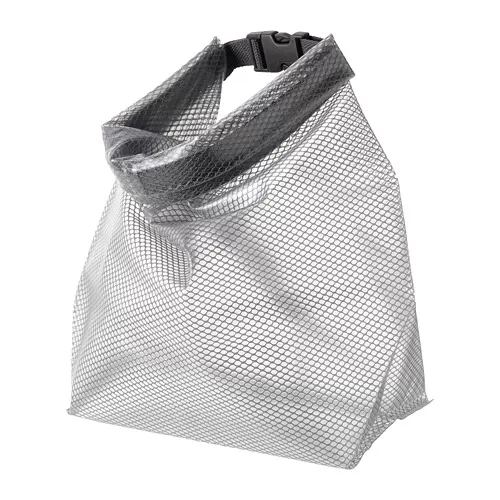
You can use the RENSARE storage bag as a compact solution for carrying essentials such as a water bottle, a small towel, tissues, and a light snack after your workout.
See the RENSARE storage bag in the image below:
6. Don't neglect recovery after running
A good workout should always be followed by proper recovery. After running, your body needs time to normalize your heart rate, replace lost fluids, and allow your muscles to adapt to the training you've completed.
A simple recovery routine can help your body feel more comfortable and ready for your next workout.
Do light stretching
After finishing your run, cool down by walking at a relaxed pace for a few minutes before continuing with light stretches. Focus on stretching your calves, quadriceps, hamstrings, and hips, as these muscles work the hardest while running.
This habit helps your body transition gradually from moderate physical activity to a resting state.
Eat and drink after your workout
Besides replenishing fluids by drinking water, eating foods that contain carbohydrates and protein after exercise can help restore energy and support muscle recovery.
To make it easier to bring post-workout snacks, you can prepare fruit, bread, or other light snacks in a practical food container such as PRUTA.
Create a relaxing atmosphere at home
Once your body feels refreshed, you can make your recovery time even more enjoyable by creating a comfortable atmosphere at home. One way to do this is by lighting an aromatherapy candle such as STÖRTSKÖN and pairing it with warm lighting in your living room or bedroom.
Its gentle fragrance can become part of your post-workout relaxation ritual, helping create a calmer atmosphere without being intended as a form of therapy or medical treatment.
Simple essentials to help you stay consistent with your running routine
Building a running habit doesn't always require complicated sports equipment. In fact, a few simple essentials can help you prepare before your run and recover more comfortably afterward.
1. IKEA 365+ water bottle
Staying hydrated is one of the most important habits for beginner runners. The IKEA 365+ water bottle is easy to carry to the park, running track, office, or while traveling, making it easier to meet your hydration needs before and after exercising.
By carrying your own water bottle, you can also build the habit of drinking water regularly throughout the day.
See the IKEA 365+ water bottle below:

2. A small towel for after your workout
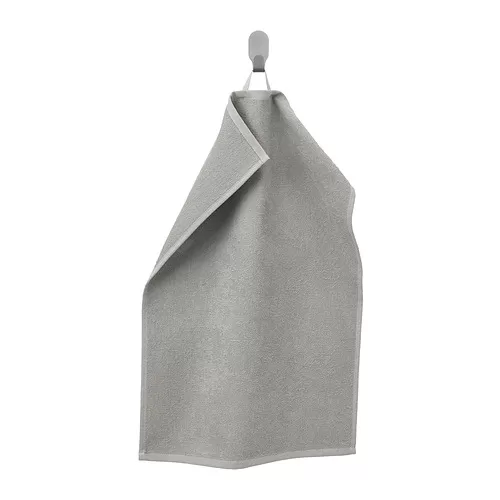
After running, a small towel is another essential item to help dry off sweat before changing clothes or continuing with your day. LUDDVIAL has a practical size that fits easily into your gym bag and is ready whenever you need it.
See the LUDDVIAL towel below:
3. A food container for post-workout snacks
Replenishing your energy after running can be as simple as enjoying sliced fruit, whole-grain bread, or nuts.
To make it easier to carry your snacks, you can use the PRUTA food container to store snacks or lunch neatly while traveling to your workout location.
See the PRUTA food container below:

4. IKEA aromatherapy candles to create a relaxing atmosphere at home
Your running routine doesn't end when your workout is over. Creating a comfortable atmosphere at home can also become part of your post-run recovery.
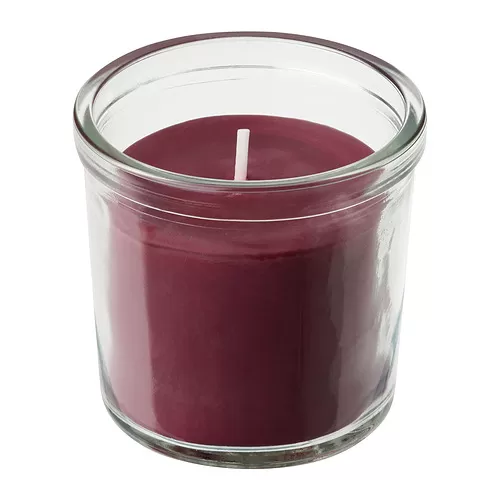
The STÖRTSKÖN aromatherapy candle can be paired with warm lighting in your living room or bedroom to create a calmer atmosphere as part of your daily relaxation ritual, without being intended as therapy or medical treatment.
See the STÖRTSKÖN candle below:
Read also: 4 common ingredients used in aromatherapy candles
Make your running routine more comfortable with IKEA
Starting a running habit doesn't mean you have to aim for a 5K, 10K, or a certain speed right away. What's more important is building a routine gradually through a consistent training schedule, proper warm-ups, good hydration, and adequate rest and recovery.
This approach helps your body adapt more comfortably while reducing the risk of injury for beginner runners. Your routine can also be supported by simple everyday essentials that make your activities before and after running more convenient.
From a water bottle to help you stay hydrated, a food container for post-workout snacks, a small towel, and aromatherapy candles to create a relaxing atmosphere at home, these simple essentials can help make your running experience more practical and enjoyable.
Discover the IKEA 365+ water bottle, PRUTA food containers, aromatherapy candles, lighting, and many other home accessories at IKEA.co.id to help create a more comfortable daily exercise routine.
FAQ
For beginners, running 2–3 times per week is enough to help the body adapt gradually. Include rest days between training sessions so your muscles and joints have enough time to recover.
You can start with 20–30 minutes using the walk-run interval method, alternating between walking and running. As your body adapts, gradually increase the duration according to your fitness level.
Yes. It's best to begin your run well hydrated. Besides drinking water before your workout, make sure you also stay hydrated during and after running, especially in hot weather or during longer training sessions.
Yes. Warm-ups help prepare your muscles and joints before running, while cool-downs allow your body to return to its normal state gradually after exercise. Both are essential for improving comfort and reducing the risk of injury.
You don't need a lot of equipment. Comfortable running shoes, moisture-wicking clothing, a water bottle, a small towel, and a food container for post-workout snacks are enough to support your daily running routine.