Cooking vegetables, mushrooms, or chicken does not always have to take a long time. With the right cooking technique, you can prepare ingredients in a pan with a small amount of oil to create delicious dishes.
One technique worth trying is sautéing. It is commonly used to cook ingredients quickly while helping brown their surfaces and preserve their texture.
Read on to discover how sautéing works and how you can apply this technique when preparing everyday meals.
Sautéing involves cooking with a small amount of oil or fat over relatively high heat. The size of the ingredients, the amount of food in the pan, and the heat level can all affect the results.
What is sautéing?
Sautéing is a cooking technique that involves cooking ingredients in a pan with a small amount of oil or fat over relatively high heat. The term comes from the French verb sauter, meaning “to jump,” referring to the movement of ingredients as they are tossed or turned during cooking.
This technique helps cook ingredients quickly while developing a browned surface. It is suitable for vegetables, mushrooms, and appropriately sized pieces of meat or chicken.
Sautéing is similar to stir-frying, a common cooking method used at home. However, sautéing generally emphasizes using a small amount of fat, relatively high heat, and leaving enough space in the pan to prevent the ingredients from overcrowding.
Ingredients suitable for sautéing
Sautéing works well with a variety of ingredients, especially those that can cook in a relatively short time. Here are some ingredients you can use to try this cooking technique:
-
Vegetables: Bell peppers, mushrooms, zucchini, and carrots can be sautéed when cut into thin or evenly sized pieces.
-
Meat, chicken, and fish: Choose cuts that are not too thick so the heat can reach the centre more easily and help them cook evenly.
-
Aromatic ingredients: Garlic and onions can be sautéed first to release their aromas before adding the main ingredients.
Adjust the cooking time according to the type and size of each ingredient. Firmer vegetables, for example, may take longer to cook than softer ones.
Read also: Choices of kitchen tools to make cooking activity more enjoyable
How to cook using the sautéing technique
Sautéing is relatively easy to do once your ingredients and equipment are ready. Follow these steps to get started:
-
Prepare the ingredients. Cut the ingredients into evenly sized pieces to help them cook uniformly. Pat washed ingredients dry to encourage browning.
-
Heat the pan. Choose a sufficiently wide pan and heat it before adding a small amount of oil or fat. Adjust the heat according to the type of pan and ingredients.
-
Add the ingredients in manageable batches. Spread them out so they do not overlap too much and have enough contact with the pan's surface. If you are cooking a large quantity, work in batches.
-
Stir or turn the ingredients. Move them occasionally with a spatula to help them cook evenly. Allow their surfaces to brown before turning them again.
-
Check for doneness and season. Adjust the cooking time according to the ingredients, then add seasonings as directed by your recipe. Remove the food from the pan when it reaches the desired level of doneness.
These steps help promote even cooking and browning while preserving the ingredients' texture.
Common mistakes to avoid when sautéing
Certain habits can affect the results of sautéing. Understanding what causes these issues can help you adjust your cooking technique.
-
Adding too many ingredients at once: An overcrowded pan can trap steam and make food soft rather than browned. Cook in batches if necessary.
-
Using heat that is too low: The ingredients may not brown properly. Make sure the pan is sufficiently hot, but avoid excessive heat that can burn the food quickly.
-
Not drying the ingredients: Excess moisture can interfere with browning. Drain and pat the ingredients dry after washing.
-
Cutting ingredients into uneven pieces: Different-sized pieces may cook at different rates. Try to keep the pieces relatively uniform.
-
Leaving food in the pan for too long: Remove the ingredients once they reach the desired doneness to help preserve their texture and moisture.
Following these simple tips can help you achieve better results when sautéing vegetables, meat, and other ingredients.
Read also: Tips for cooking Eid dishes efficiently while maintaining great taste
Recommended cookware for sautéing
If you want to try sautéing at home, the right cookware can make it easier to move ingredients around the pan and prepare them efficiently. Here are some cookware options from IKEA to consider.
1. VARDAGEN frying pan
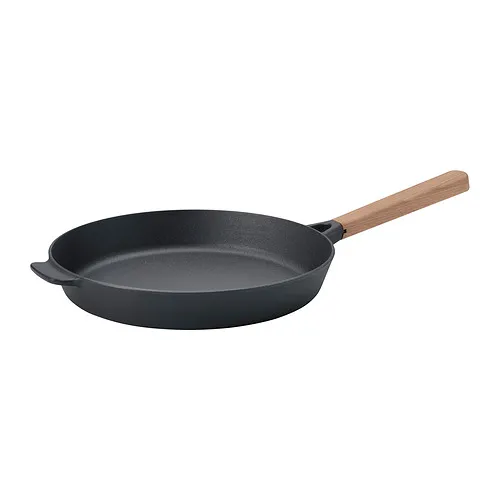
For sautéing ingredients, the VARDAGEN frying pan has a diameter of 26 cm and is made of cast iron with a beech wood handle. Its cast iron construction helps distribute heat evenly and retain heat for longer.
This pan is suitable for various types of cooktops, including induction hobs. As it is made of cast iron, it should be hand-washed and maintained according to the manufacturer's care instructions.
2. RÖRT wok spatula
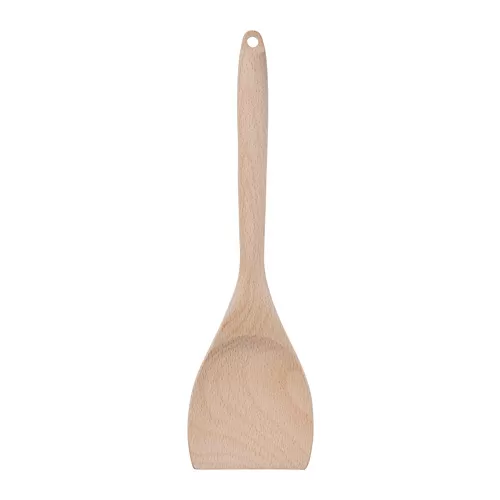
During sautéing, ingredients need to be moved around to help them cook evenly. The RÖRT wok spatula is made of solid beech wood and measures 31 cm long, making it useful for stirring and turning ingredients while cooking.
The spatula should be hand-washed. Its surface can also be treated periodically with wood oil, following the product's care instructions.
3. IKEA 365+ cook's knife
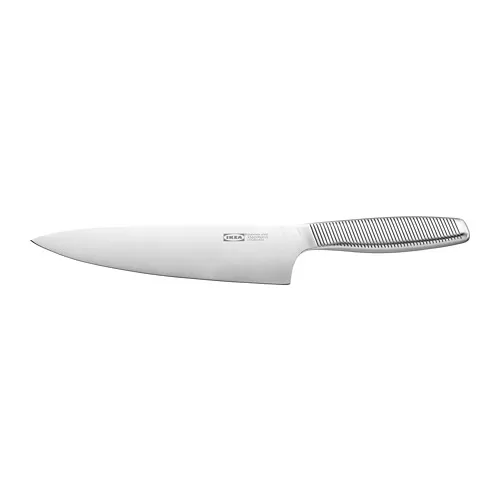
Before sautéing, cut ingredients into suitable sizes to make them easier to cook. The IKEA 365+ cook's knife has a 20 cm stainless steel blade that can be used to cut meat and vegetables.
Its handle is designed to provide a comfortable grip during use. To maintain the knife's condition, hand-wash it and follow the care instructions.
4. APTITLIG butcher's block
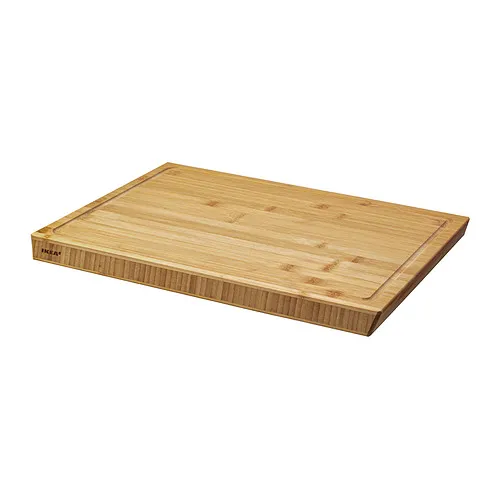
To prepare ingredients before heating the pan, the APTITLIG butcher's block measures 45 × 36 cm and provides a surface for chopping and slicing food. Made of bamboo, it can be used on both sides.
Make everyday cooking more practical
Sautéing is a useful way to prepare a variety of ingredients in a relatively short time. By preparing your ingredients in advance, controlling the heat, and choosing a suitable pan, you can make the cooking process more manageable.
Choose cookware based on your cooking habits and the dishes you regularly prepare at home. The right tools can make everything from food preparation to cooking feel more convenient.
Visit IKEA.co.id for inspiration and kitchen essentials that support your everyday cooking activities.
FAQ
Sautéing is a cooking technique that uses a small amount of oil or fat in a pan over relatively high heat.
Vegetables, mushrooms, meat, chicken, fish, and aromatic ingredients can be sautéed, depending on their characteristics.
The techniques are similar, but sautéing generally emphasizes using a small amount of fat, relatively high heat, and avoiding overcrowding the pan.
One possible reason is an overcrowded pan, which allows steam and moisture to accumulate. Cooking in smaller batches can help prevent this.
No. Sautéing generally uses a small amount of oil or fat, depending on the ingredients and the type of pan.