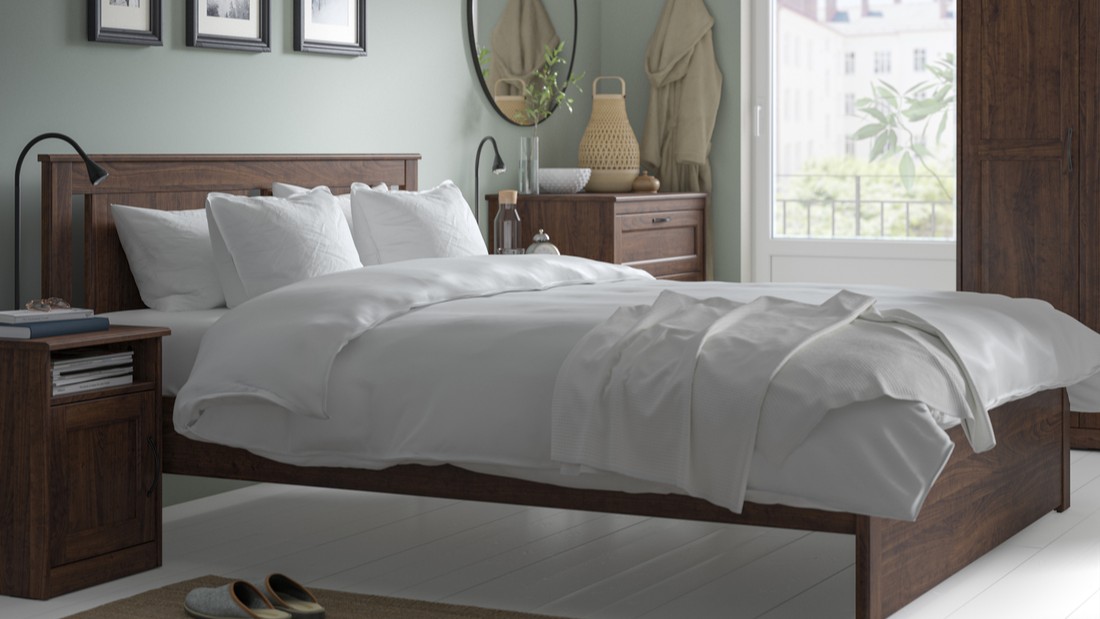
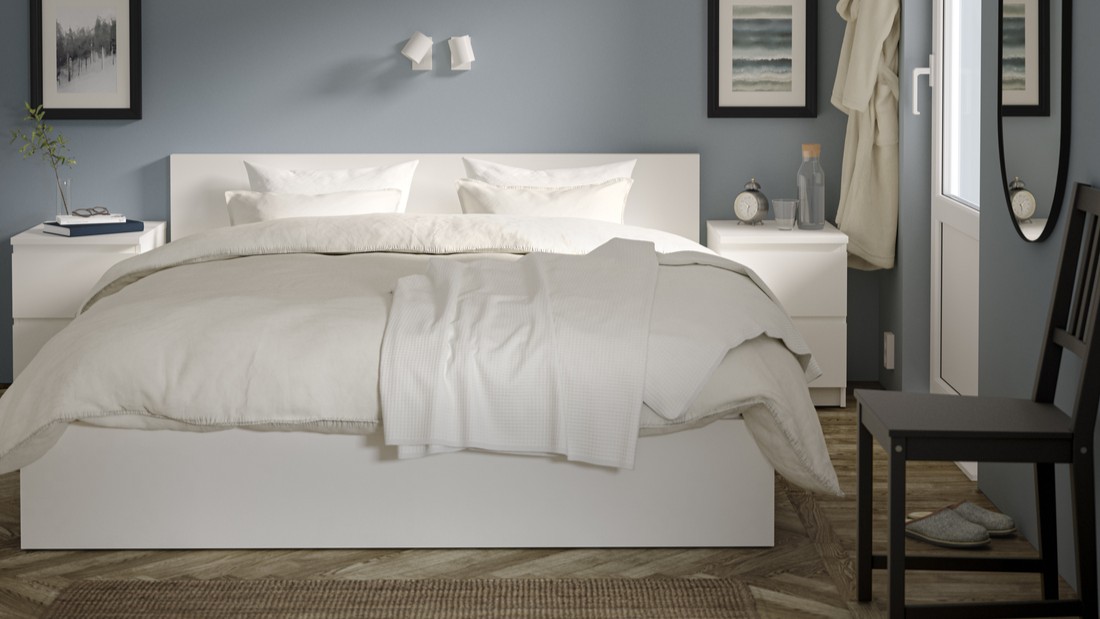
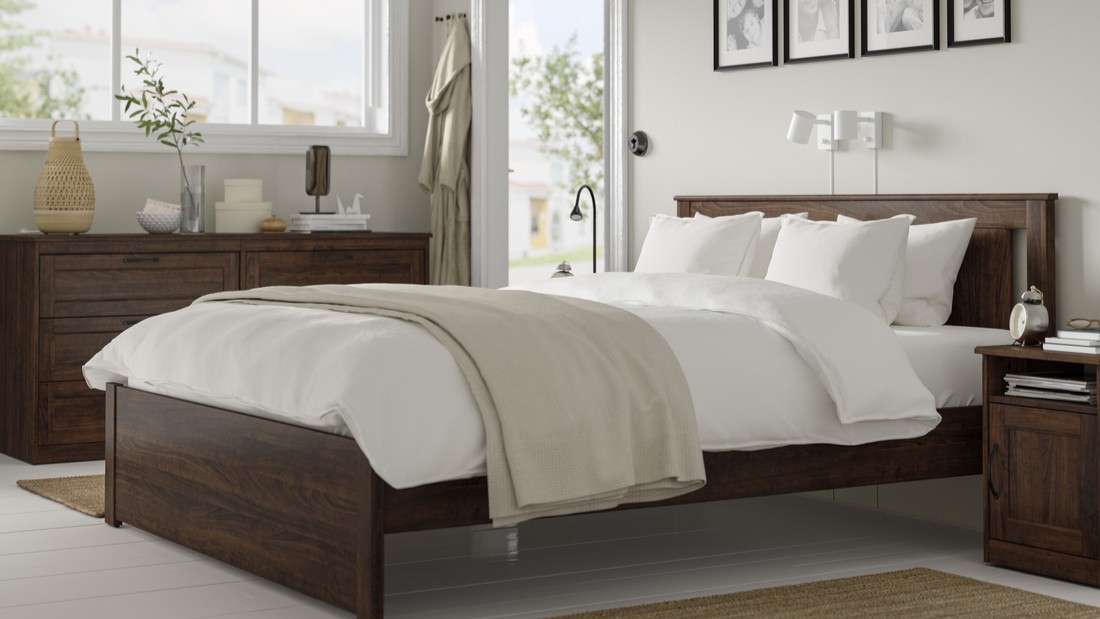
Interior furniture plays an important role in supporting the function and comfort of rooms in the house. Its presence helps organize daily activities, from sitting and relaxing in the living room, working from home, to storing various items so the room remains tidy.
In a home interior, furniture also acts as a visual character builder. Cabinets, tables, chairs, and shelves can help emphasize the interior style you want to display, whether it is modern, minimalist, or natural in feel. The furniture material used will affect the impression of the space, such as feeling warmer, lighter, or firmer.
Popular interior styles and their material choices
Each interior style has characteristics that can be recognized from the shape of the furniture, colors, and materials used. Here are some popular interior styles along with the material choices often used.
Minimalist and modern style
Minimalist and modern styles are identical with a clean, neat, and functional look. Materials with smooth surfaces and neutral colors are often used to create a sense of spaciousness. Furniture with simple designs, combined with laminate materials or processed wood, helps keep the interior look organized without excessive detail.
Scandinavian style
Scandinavian style is known for a warm and bright room atmosphere. Natural-colored wood material becomes the main element that is often paired with soft colors. This choice of material supports the home interior to feel comfortable and friendly for various activities, especially in the living room and gathering areas.
Rustic and industrial style
Rustic and industrial styles highlight material characters with a more textured appearance. Wood with a natural impression, metal, and glass elements are often used to create a strong and expressive room nuance.
The combination of these materials helps present a home interior that feels unique and full of character without reducing the function of the space.
How to choose materials and furniture for home interiors
There are several ways to choose materials and furniture that need to be considered.
1. Furniture needs
Choosing materials and furniture for home interiors needs to be adjusted to the needs and activities in each room. The living room, for example, requires materials and furniture that support comfort while gathering, while a workspace at home requires furniture that helps maintain focus and tidiness.
2. Furniture size and proportion
In addition to function, the size and proportion of furniture are also important to consider. Furniture that is too large can make a room feel cramped, while furniture that is too small might not adequately support activities. Materials with a lightweight character and neat design can help create a home interior that feels balanced and comfortable for daily use.
3. Furniture maintenance
Maintenance is also a consideration in choosing interior materials. Materials that are easy to clean and maintain will help keep the room looking tidy in the long run.
People also ask about materials and interiors
Here are some questions that often arise regarding materials and home interior design. These short answers can help you understand the basics of choosing materials and furniture before planning an interior.
What are interior materials?
Interior materials include various substances used to complete the spaces inside a house. Some commonly used materials include wood and its derivatives, laminate, metal, glass, and synthetic materials such as pvc. Each material has a different character that can be adjusted to the function and style of the home interior.
What material is good for a home interior?
A good material for a home interior is one that suits the needs of the space and the activities of its occupants. For gathering areas, materials that are comfortable and easy to maintain are often the choice. Meanwhile, for rooms with light activities, materials with a neat and functional look can help create a more organized atmosphere.
What are the 7 elements of interior design?
In interior design, there are several basic elements that complement each other. These elements include space, line, shape, color, texture, lighting, and pattern. The combination of these elements helps create a home interior that is balanced and comfortable to use.
What are examples of interior items?
Examples of interior items include furniture and supporting elements inside the house. These include cabinets, tables, chairs, storage shelves, and decorative elements that help support the function and appearance of the space.
Read also: Simple home: Home design tips and furniture recommendations
Realize a comfortable and functional home interior