Do you still often mix food scraps, plastic, and other waste in one bin because it seems simpler and more practical? Excessive household waste accumulation can negatively impact environmental cleanliness and family health.
Understanding the differences between organic and inorganic waste is one simple step toward creating a cleaner home while helping reduce the growing waste accumulation in Indonesia each year.
With proper sorting, household waste becomes easier to manage and can even be reused more sustainably. Through this article, you will learn how to differentiate waste types and tips for managing them effectively so your home stays clean.
What is organic and inorganic waste?
Organic waste is waste that comes from natural materials from living organisms and is easily decomposed biologically. Organic waste comes from plant remnants, food waste, and other organic materials that can be broken down by microorganisms.
Meanwhile, inorganic waste is waste that comes from man-made materials such as plastic, glass, and metal that are difficult to decompose naturally.
Understanding the differences between organic and inorganic waste is important to support waste sorting and household waste management processes.
Therefore, using separate bins for organic and inorganic waste can help make waste management more practical, organized, and easier to do every day.
Understanding the differences between organic and inorganic waste helps you sort and manage waste more properly. Besides reducing household waste volume, this habit creates a cleaner and more comfortable home environment.
Why is sorting organic and inorganic waste important?
Sorting waste is often considered a simple habit, but it has a significant impact on both household cleanliness and the surrounding environment.
Mixed waste can create unpleasant odors, accelerate bacterial growth, and make recycling processes more difficult. In addition, inorganic waste is difficult to decompose and may pollute soil and water over time.
Besides helping maintain household cleanliness, waste sorting is also an important step in handling household waste so it does not increase national waste volume.
By sorting organic and inorganic waste, processing organic waste and recyclable waste becomes easier.
Types of organic waste and examples
Organic waste types are divided into two main categories: wet organic waste and dry organic waste. Both are examples of organic waste commonly found in everyday life, especially in kitchens and home gardens.
By understanding organic and inorganic waste types, you can manage household waste more easily and determine suitable waste processing methods.
Besides helping reduce waste volume, this habit also supports turning waste into something more useful.
Wet organic waste
Wet organic waste is waste with high water content, making it easy to rot and decompose. This waste usually comes from food scraps or kitchen organic materials used daily.
If not separated immediately, organic household waste can create unpleasant odors and accelerate waste accumulation. Here are some commonly found examples of wet organic waste:
-
Food scraps
-
Fruit peels
-
Wilted vegetables
-
Coffee and tea grounds
-
Rotten fruit
-
Eggshells
Organic waste can be processed into organic fertilizer or compost material useful for plants at home. By properly processing organic waste, you can help reduce waste volume while creating a healthier environment.
Dry organic waste
Dry organic waste has lower moisture content compared to wet organic waste. This type of waste usually comes from leaves, branches, or other dried organic materials, causing slower decomposition.
Here are some examples of dry organic waste:
-
Dry leaves
-
Tree branches
-
Dry grass
-
Sawdust
-
Paper without plastic coating
Dry organic waste is often used in organic waste processing as a compost mixture. Besides helping decompose organic waste more effectively, this type of waste also helps maintain moisture balance during composting.
Read also: A clean home down to every corner
Types of inorganic waste and examples
Inorganic waste is waste originating from non-natural materials or human-made products. Inorganic waste is generally more difficult to decompose than organic materials, requiring special management processes to avoid environmental pollution.
Although difficult to decompose, many examples of inorganic waste can still be recycled or reused. Therefore, separating waste by type is important so recycling processes become more effective.
Plastic waste
Plastic waste is one of the most common types of inorganic waste found in everyday life. Plastic materials are practical to use but require a very long time to decompose if disposed of carelessly.
Here are common examples of plastic waste:
-
Mineral water bottles
-
Plastic bags
-
Food packaging
-
Plastic straws
-
Liquid soap containers
Inorganic waste such as plastic should be separated from the beginning so it can be recycled into new products. This simple step helps reduce waste volume while supporting more sustainable waste management.
Metal, glass, and electronic waste
Besides plastic, there is also special waste such as metal, glass, and used electronic items classified as hazardous waste if disposed of improperly.
This type of waste usually has resale value when collected through waste banks or other waste processing facilities. Here are some examples:
-
Food cans
-
Glass bottles
-
Broken glass
-
Damaged cables
-
Used batteries
-
Used lamps
Most of this waste has the potential to be recycled into more useful products. Therefore, separating inorganic waste from the beginning is important so processing can be safer and more efficient.
Differences between organic and inorganic waste
Understanding the differences between organic and inorganic waste is important to make waste sorting more effective.
Many people still struggle to distinguish these two types of waste, even though understanding the differences helps make household waste management more practical.
By understanding the characteristics of each waste type, you can manage waste more appropriately according to its needs.
1. Differences based on material origin
One of the main differences lies in the origin of the material. Organic waste comes from natural materials from living organisms, while inorganic waste comes from man-made materials produced through industrial processes.
Here are the differences:
-
Organic waste comes from plant remains and food scraps
-
Organic materials come from natural sources
-
Waste from organic materials decomposes easily
-
Inorganic waste comes from plastic, glass, and metal
-
Inorganic waste is difficult to decompose
This difference in material origin affects management methods and environmental impacts. Therefore, it is important to start sorting waste at home from the beginning.
2. Differences based on decomposition process
Besides material origin, decomposition processes also distinguish these two waste types. Organic waste decomposes easily because microorganisms can naturally break it down, while inorganic waste takes much longer to decompose.
Here are some differences:
-
Organic waste decomposes easily
-
Organic waste decomposition requires microorganisms
-
Organic waste can be processed into compost
-
Inorganic waste such as plastic is difficult to decompose
-
Inorganic waste requires recycling processes
Because decomposition processes differ, management methods for organic and inorganic waste cannot be treated the same way. Proper management helps reduce the negative impact of waste on the environment.
3. Differences based on management and utilization
Another difference can be seen from utilization and processing methods. Organic waste can be processed into fertilizer or animal feed, while inorganic waste is mostly processed through recycling methods.
Here are some differences:
-
Organic waste can be processed into organic fertilizer
-
Processing organic waste helps reduce waste volume
-
Inorganic waste can be recycled into new products
-
Metal and glass waste have resale value
-
Waste banks support waste management processes
By understanding how they are utilized, you can start managing household waste more effectively. This simple step helps create a cleaner and more comfortable home environment.
Impact of waste on the environment
Poorly managed waste accumulation can have significant impacts on both the environment and public health. Accumulated waste can produce unpleasant odors, pollute the environment, and increase the risk of disease.
In addition, the increasing amount and tonnage of waste also make landfill capacity increasingly full. Therefore, waste management becomes an important step in helping reduce waste volume and maintain environmental cleanliness.
Here are some impacts of waste on the environment:
-
Causes unpleasant odors
-
Becomes a source of bacteria and disease
-
Causes waste accumulation
-
Clogs waterways
-
Pollutes soil and oceans
-
Produces gases that contribute to global warming
By disposing of waste properly and making waste sorting a habit, you can help reduce these negative impacts. This small step also helps create a healthier and more comfortable home environment.
How to sort organic and inorganic waste at home
Sorting waste at home can start from simple daily habits. By separating waste according to its type, processing organic waste and recyclable waste becomes easier.
Besides helping maintain household cleanliness, sorting waste habits also help reduce household waste volume. Therefore, it is important to consistently implement waste sorting with all family members.
Here are simple steps to sort organic and inorganic waste:
-
Separate waste based on type
-
Use separate waste bins
-
Clean plastic waste before storing
-
Separate organic and inorganic waste from the beginning
-
Use labels on each container
-
Deliver waste to a waste bank
-
Make disposing of waste properly a habit
By making waste sorting a habit at home, waste management becomes more effective and practical. Besides helping protect the environment, this step also supports a more sustainable household lifestyle.
Recommended waste bins for sorting organic and inorganic waste
Choosing the right waste bin can help make waste sorting more practical and efficient. Besides making waste management easier, using suitable bins also helps keep your home neat and comfortable every day.
IKEA Indonesia offers various modern waste bin options that support household waste management needs. You can directly choose a waste bin that suits your needs from the IKEA waste bin collection.
Each product has different features that help make waste separation more practical without making home areas look cluttered. Here are some recommendations you can choose.
1. KNÖCKLA
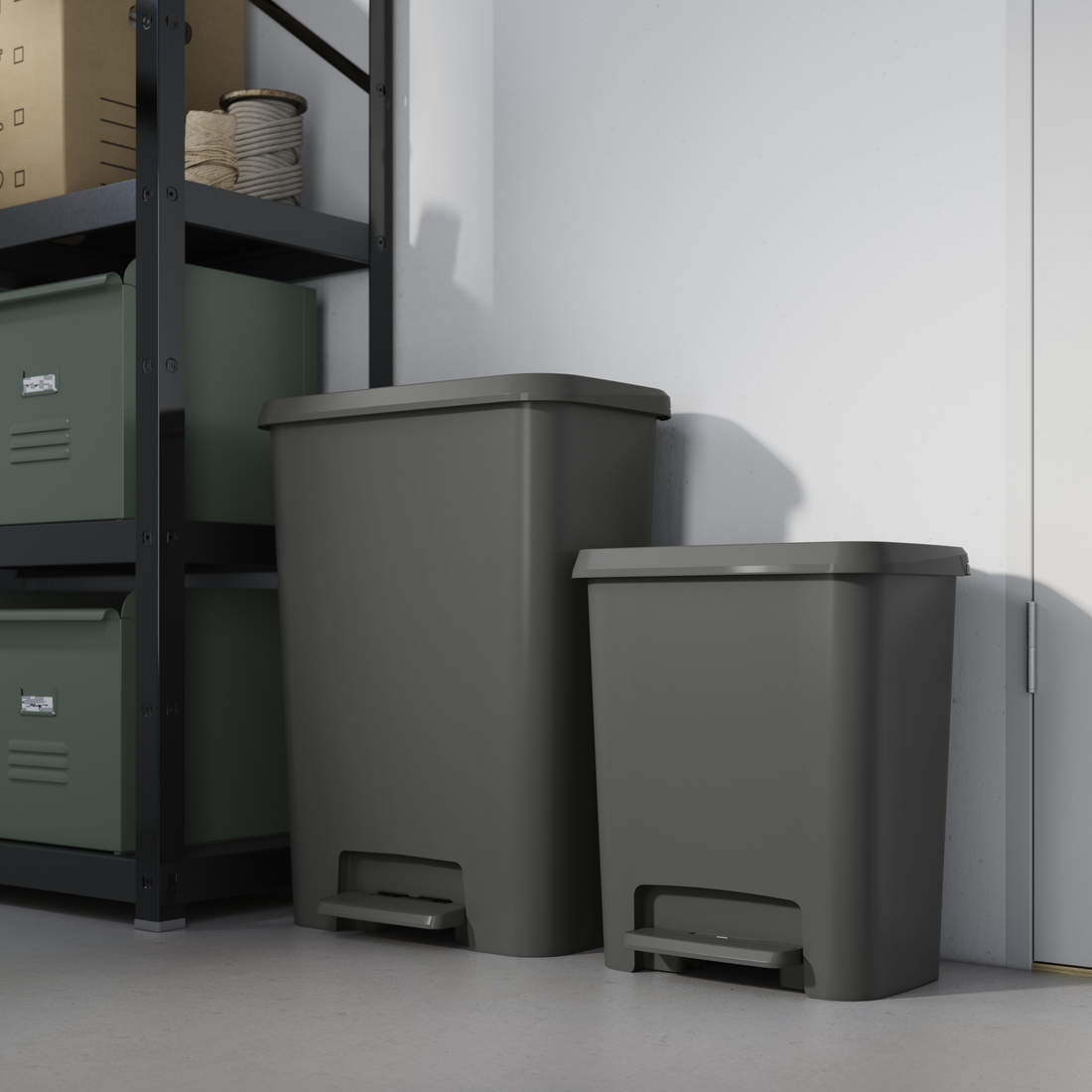
KNÖCKLA is a practical choice for those who want to separate organic and inorganic waste in the kitchen area. This product has two inner containers that help make waste sorting more practical.
In addition, this waste bin features a modern design suitable for various home kitchen concepts.
Advantages of KNÖCKLA:
-
Has 2 containers for waste separation
-
Equipped with pedals for better hygiene
-
Easy to move
-
Easy to clean
-
Durable material
-
Suitable for kitchen waste management
With its multifunctional design, KNÖCKLA helps make waste sorting habits more practical and efficient every day.
2. HÅLLBAR
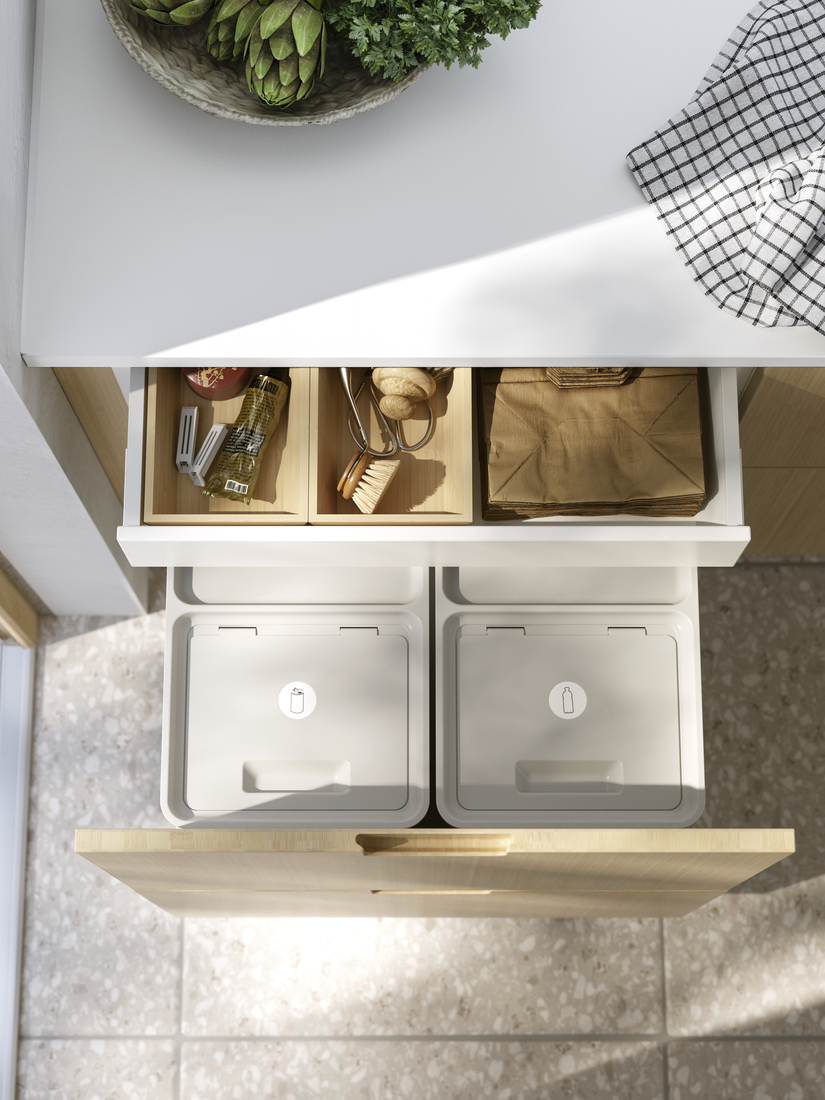
HÅLLBAR is designed to help waste sorting in homes with limited space. This product is suitable for storing various types of small waste such as plastic, paper, and household cleaning products.
Advantages of HÅLLBAR:
-
Stackable to save space
-
Equipped with a removable lid
-
Easy to clean
-
Has foldable handles
-
Uses recycled materials
-
Suitable for various waste types
With its practical and modern design, HÅLLBAR helps make household waste management neater and more flexible.
3. KNODD
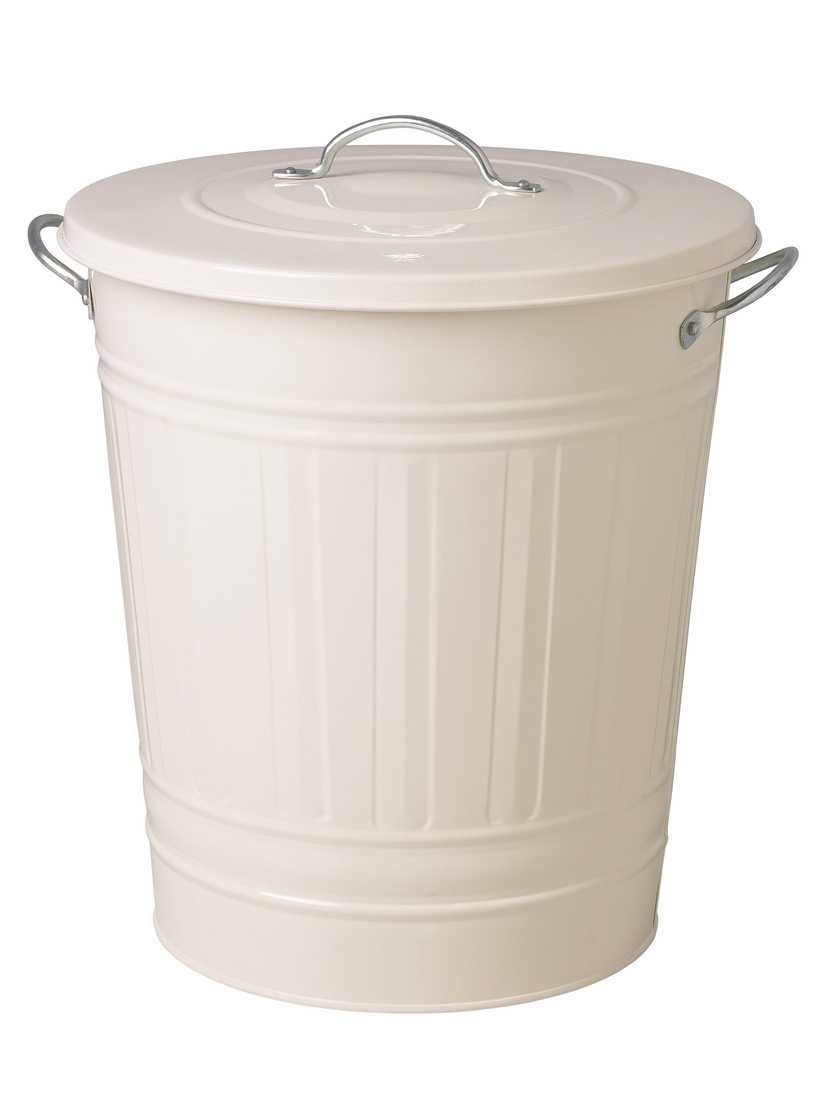
KNODD comes with a large capacity suitable for household and semi-outdoor use. Its durable steel material makes this product suitable for handling larger volumes of household waste.
Advantages of KNODD:
-
Large 40-liter capacity
-
Equipped with sturdy handles
-
Lid can be attached to the side of the bin
-
Suitable for humid areas
-
Durable steel material
-
Modern minimalist design
With its large capacity, KNODD helps reduce waste accumulation so home areas remain clean and organized.
4. STENTRAPPA
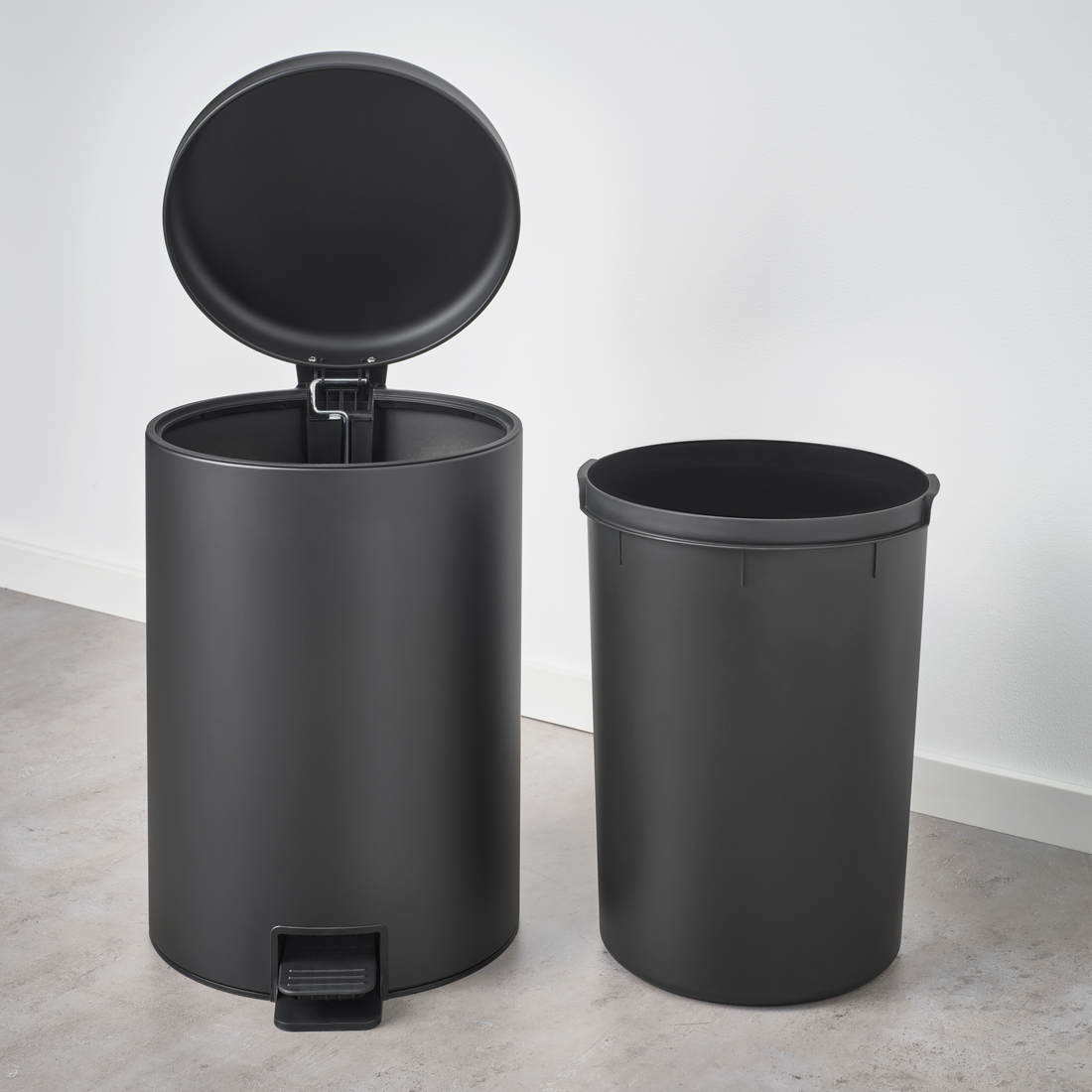
STENTRAPPA features a modern design with a soft-closing feature that helps maintain comfort during daily use. This product is suitable for kitchens, bathrooms, and work areas to make waste management more practical.
Advantages of STENTRAPPA:
-
Soft-closing lid
-
Removable inner bucket
-
Easy to move
-
Anti-slip feet
-
Suitable for humid areas
-
Modern and elegant appearance
For those looking for a practical and minimalist waste bin, STENTRAPPA is the right choice to support household waste management.
5. GÅNGSKYFFEL
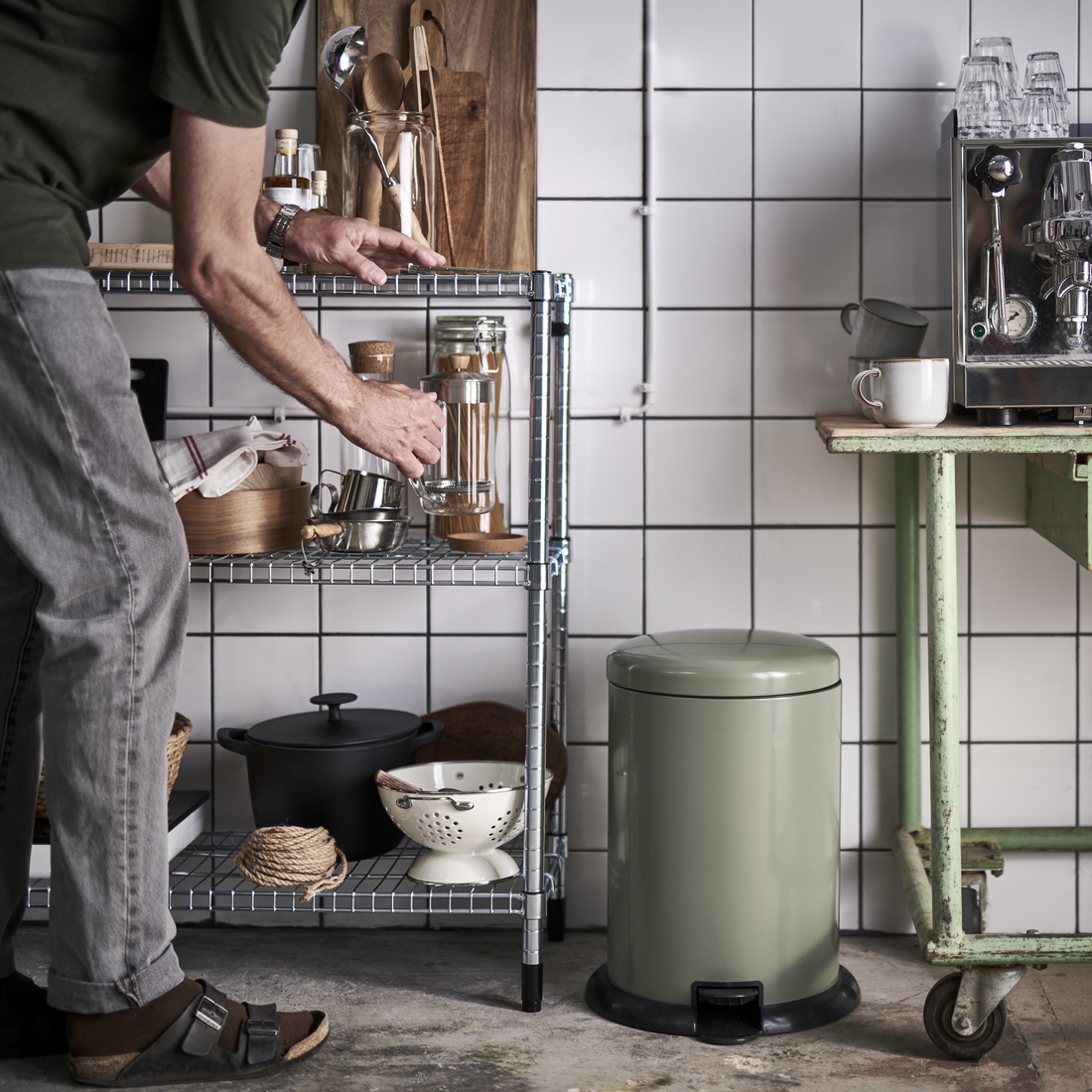
GÅNGSKYFFEL comes with a decorative design suitable for various rooms in the house. This product is equipped with a soft-closing feature and a removable inner bucket, making it easier to clean.
Advantages of GÅNGSKYFFEL:
-
Soft-closing lid
-
Easy to move
-
Removable inner bucket
-
Anti-slip feet
-
Suitable for kitchens and bathrooms
-
Durable material
Its modern design helps make waste sorting activities more comfortable while keeping home areas neat every day.
Read also: Making children’s rooms tidy becomes easier
Create a tidier home with proper waste management
Understanding organic and inorganic waste is an important step toward creating a cleaner and more comfortable home.
By sorting organic and inorganic waste and managing waste properly, you not only maintain household cleanliness but also help reduce environmental impacts caused by waste accumulation.
To make waste sorting more practical, you can use various storage solutions and multifunctional waste bins from IKEA Indonesia.
Start small habits today to help create a cleaner, tidier, and more comfortable home environment for your entire family.
Questions about organic and inorganic waste
Organic waste is waste that comes from natural materials and decomposes easily, such as food scraps or dry leaves. Meanwhile, inorganic waste comes from man-made materials such as plastic, glass, and metal that require a longer time to decompose.
Waste sorting helps simplify waste management and recycling processes. In addition, separating organic and inorganic waste also helps reduce odors, waste accumulation, and environmental pollution.
Examples of organic waste at home include food scraps, fruit peels, wilted vegetables, dry leaves, coffee grounds, and eggshells. This waste decomposes easily and can be processed into compost fertilizer.
Yes, most plastic waste can be recycled if separated properly. Plastic bottles, food packaging, and certain plastic containers can be reprocessed into more useful new products.
You can start by providing separate bins for organic and inorganic waste. Also make it a habit to clean plastic waste before storing it and dispose of waste according to its type so the processing process becomes easier.