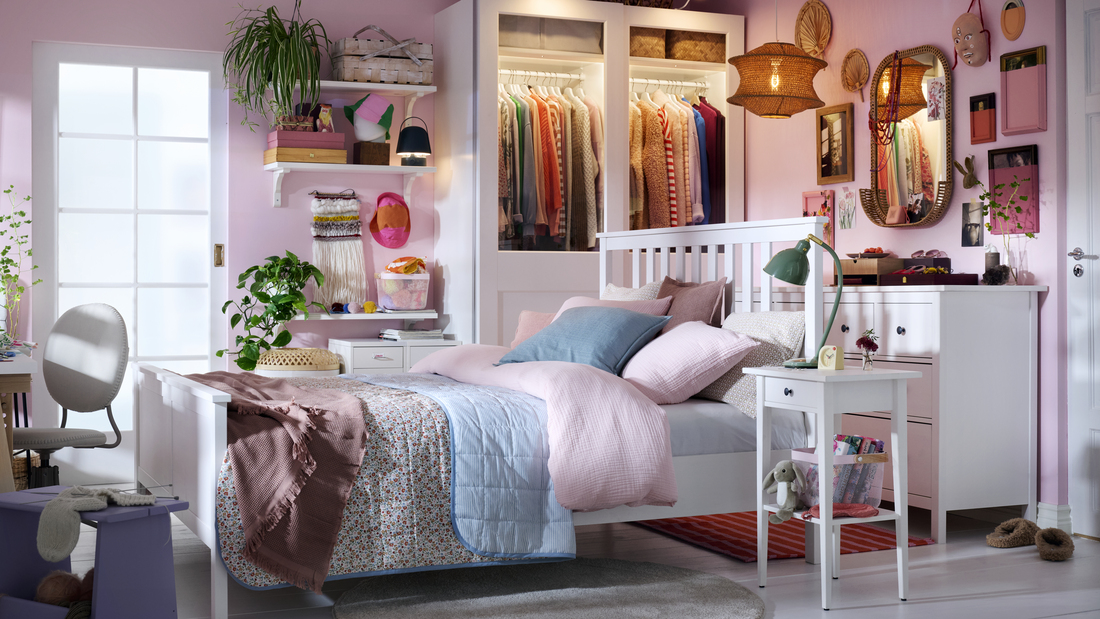
Clothes hangers help keep your clothes neat and easy to find in your wardrobe. Choosing the right hangers can also help save storage space, especially if you own a lot of clothing.
Clothes hangers come in various materials, shapes, and designs to suit different needs. Read on to discover IKEA's recommended clothes hangers, along with tips on how to choose and maintain them.
Good to Know: The right clothes hangers can help keep your clothes organized, easy to find, and properly stored. Before making a purchase, ensure that the hangers' materials, shapes, and functions suit your clothing types and available storage space.
5 Recommended metal clothes hangers at iKEA
Choosing the right clothes hangers can make organizing your wardrobe more practical. IKEA offers a variety of hangers with different designs and functions, ranging from hangers for trousers to everyday clothing.
Here are our recommendations:
1. VAJSING trouser hanger
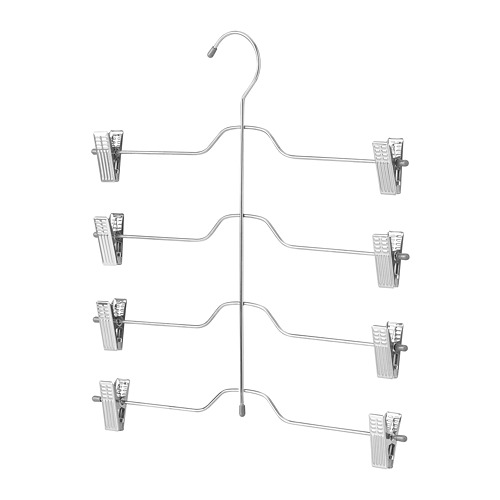
VAJSING is a hanger designed to help you store multiple garments in one place. Its adjustable clips make it suitable for hanging trousers, skirts, or accessories.
This hanger can hold up to four pairs of trousers or skirts at once. Its design helps save wardrobe space without requiring additional storage solutions.
2. STAJLIG hanger
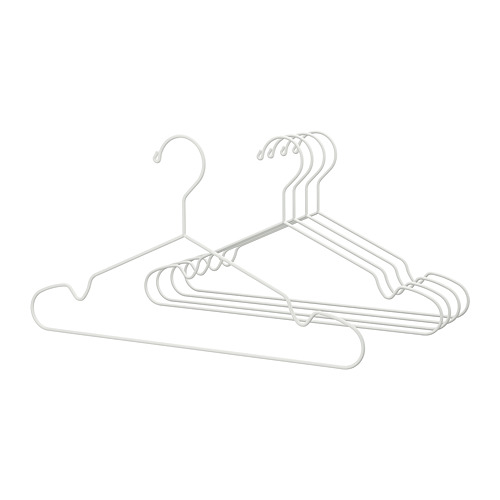
STAJLIG is a versatile hanger suitable for indoor use and for hanging clothes to dry outdoors. The grooves on both sides help keep strappy garments securely in place.
Its slim design allows you to store more clothes without taking up too much wardrobe space. Keeping your clothes neatly hung also makes them easier to find when needed.
3. GÅRDSMÄSTARE trouser or skirt hanger
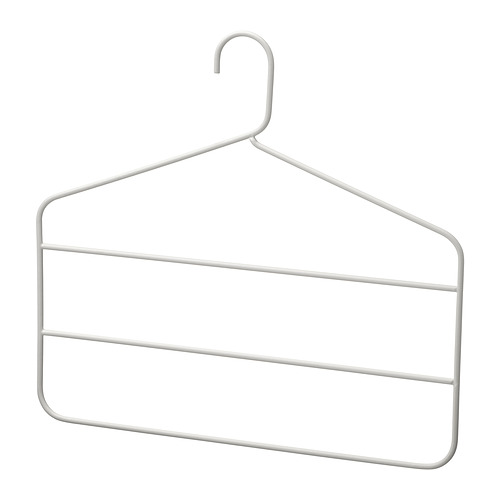
GÅRDSMÄSTARE is ideal for anyone looking to organize trousers, skirts, or T-shirts more efficiently. This hanger helps you store multiple garments at once, making your wardrobe feel more organized.
Its slim design helps maximize storage space, especially in wardrobes with limited capacity. You can also group clothes by type to make them easier to find.
4. TJUSIG door or wall hanger
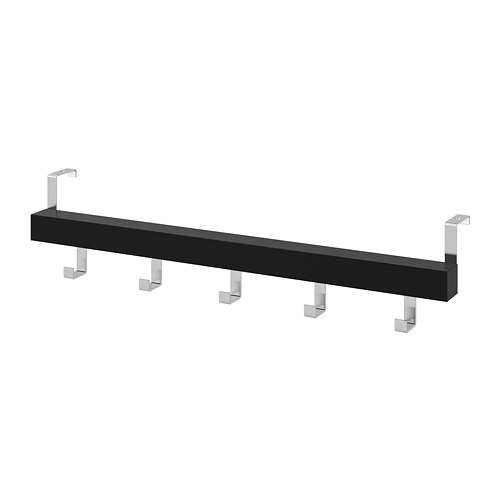
TJUSIG is a hanger that can be mounted on a wall or hung over the top of a door. You can use it to hang clothes, belts, bags, and other accessories.
Its simple design and solid wood material help create a neater-looking space. This hanger is also ideal for organizing jackets and hats, preventing them from piling up on chairs or beds.
5. BUMERANG hanger
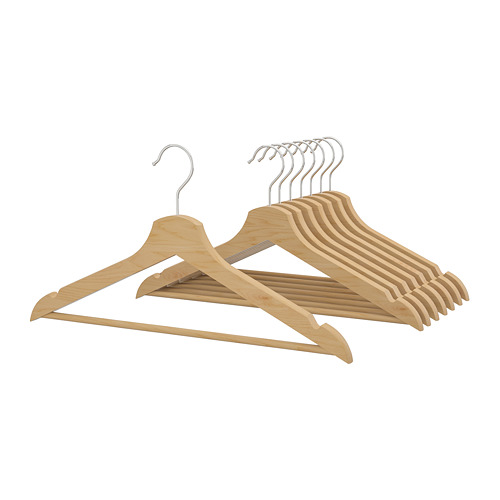
BUMERANG is a solid wood hanger suitable for storing coats, jackets, shirts, and trousers. Its shape is designed to help keep clothes properly supported while hanging in storage.
The grooves on both sides help prevent strappy garments from slipping off. Using the right hangers can also help you maintain your clothes, keeping them in good condition and making them easier to organize.
Read also: Minimalist wardrobe: Store your fashion items and keep your room tidy
How to choose metal clothes hangers for your needs
Choosing clothes hangers should involve more than just considering their shape or appearance. Pay attention to your clothing types, wardrobe capacity, and intended location to ensure that the hangers you choose meet your needs.
Here are some tips for choosing the right clothes hangers:
-
Match the hanger to the clothing type: Choose hangers designed for trousers, skirts, shirts, or coats, depending on your needs.
-
Consider material strength: Choose materials that can support the weight of your clothes without bending or breaking easily.
-
Check the hanger size: Use hangers that match your clothing size to help maintain the garments' shape.
-
Choose a space-saving design: Slim or multifunctional hangers are ideal for wardrobes with limited storage space.
-
Check for additional features: Consider hangers with clips, hooks, or non-slip coatings if needed.
-
Consider the installation location: Choose hangers designed for wardrobes, doors, or walls based on your available space.
-
Prioritize easy maintenance: Choose materials that are easy to clean and, in the case of metal hangers, resistant to rust.
How to install and maintain metal clothes hangers
Proper installation and maintenance help keep clothes hangers functional over the long term. Follow these steps to ensure your hangers are safe to use and less likely to become damaged.
-
Check the installation location: Make sure the wall, door, or wardrobe rail can support the weight of the hanger and the clothes placed on it.
-
Use the appropriate installation hardware: Choose screws and hooks suitable for the surface where the hanger will be installed.
-
Follow the product instructions: Check the installation guidelines to ensure the hanger is fitted correctly.
-
Avoid overloading: Do not hang more clothing than the recommended weight capacity allows.
-
Clean regularly: Wipe the hanger with a soft cloth to remove dust and dirt.
-
Keep it dry: Avoid excessive moisture on iron or steel hangers to reduce the risk of rust.
-
Inspect the hanger regularly: Replace any hanger that is bent, cracked, or has loose parts.
Read also: Understanding what a wardrobe is and its function as a storage solution
Find the right clothes hangers for your home
Metal clothes hangers are a practical option for keeping your clothes organized and within easy reach. Choose hangers based on your clothing types, material strength, and storage capacity to make the most of their functionality.
IKEA offers a variety of clothes hangers with designs and features to suit your household needs. Visit IKEA.co.id to find the right hangers for your home and create a tidier, more comfortable wardrobe.
FAQ
Yes, as long as the product is specifically designed for use in damp conditions. Make sure the hanger is resistant to rust and follow the manufacturer's care instructions.
Choose hangers with shapes that fit your garments' shoulders to prevent pressure from concentrating in one area. For delicate fabrics, use padded hangers or add protective coverings to the parts that come into contact with the fabric.
Metal clothes hangers can be used for delicate fabrics as long as their surfaces are smooth and free of sharp edges. For garments that are prone to losing their shape, choose hangers designed to distribute support evenly across the shoulders.
Metal hangers generally have a sturdy structure, while plastic hangers are usually lighter and available in a variety of shapes. The best option depends on the weight of your clothes, your storage needs, and your personal preferences.
Clothes hangers should be replaced when they become bent, cracked, rusty, or unable to support garments properly. Replacing damaged hangers helps prevent clothes from falling or becoming damaged.