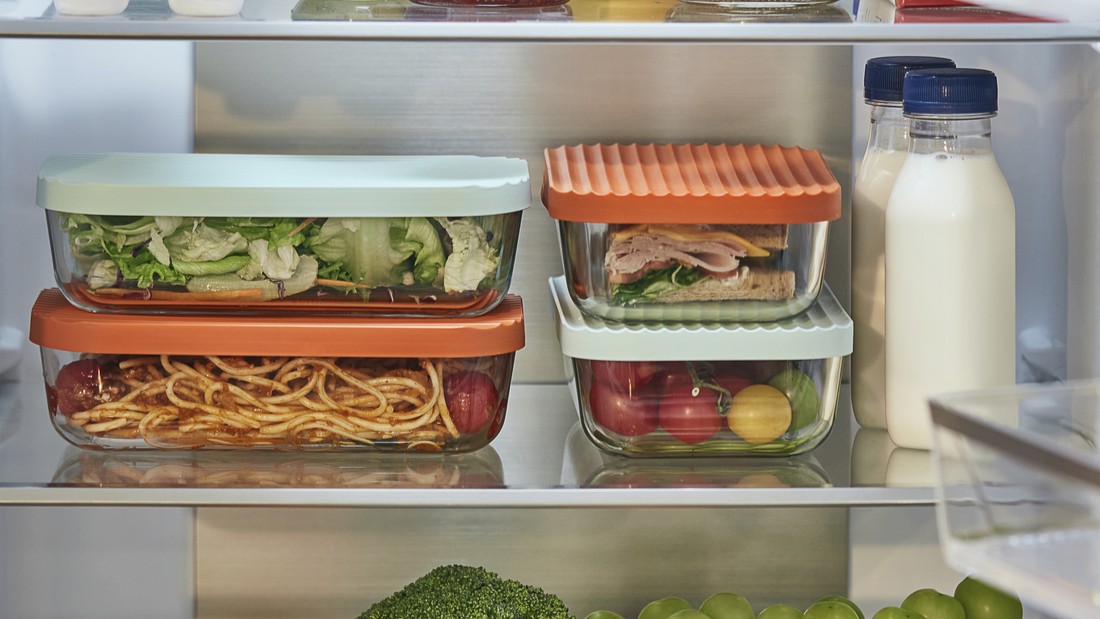
Have you ever noticed the words food grade on lunch boxes, drinking bottles, or plastic containers in your kitchen? This term often appears on items that come into contact with food, but not everyone understands its meaning and limitations.
Choosing food containers involves more than considering their shape and size. The material, usage temperature, and care instructions are also important to ensure food is stored appropriately.
So, what does food grade mean, how can you recognize its characteristics, and what materials are commonly used? Read the following explanation before choosing food storage essentials for your kitchen.
Food grade refers to materials that meet safety requirements for contact with food under their intended conditions of use. However, a food grade label does not automatically mean that a container can be used in a microwave, oven, or for storing food at high temperatures.
What is food grade and why is it important for kitchen equipment?
Food grade is a term used to describe materials suitable for contact with food based on applicable safety requirements. This term can be found on various items that come into contact with food.
These materials must meet safety requirements to ensure that the migration of substances from the material into food does not reach levels that could harm health. This is outlined in Indonesia's Food and Drug Authority (BPOM) Regulation Number 20 of 2019 concerning Food Packaging.
Why is it important to pay attention to food grade materials?
Materials that come into contact with food can interact with the contents of a container, especially when exposed to high temperatures or used for extended periods. Therefore, material suitability is an important consideration when choosing kitchen equipment.
Some benefits of paying attention to food contact materials include:
-
Helping reduce the risk of exposure to substances from containers that are unsuitable for their intended use.
-
Making it easier to choose containers based on food types and storage needs.
-
Helping you understand whether a container can be used for hot, cold, or frozen food.
-
Encouraging proper use and care of containers according to the manufacturer's instructions.
By understanding material characteristics, you can choose suitable containers for various activities, from preparing packed meals to storing cooking ingredients in kitchen cabinets.
Food grade characteristics and symbols you should recognize
Products intended for food use generally include information about their materials or usage instructions. This information may appear as symbols on packaging, material descriptions, or explanations of temperature resistance.
However, it is important to understand that not every symbol on the bottom of a container indicates food safety certification. Some symbols simply identify the material type or recycling process.
1. Glass and fork symbol
The glass and fork symbol indicates that a product is intended to come into contact with food. This symbol can be found on certain types of packaging and kitchen equipment.
However, the presence of this symbol does not automatically mean that a container can be used under all temperature conditions. You should still read additional information about heating, cooling, and cleaning instructions.
2. Number codes on plastic packaging
Some plastic containers feature a triangle symbol containing a number, such as 1, 2, or 5. These numbers are plastic resin identification codes, not certifications that a container is safe for all types of food.
For example, the number 5 indicates polypropylene or PP plastic. This material is widely used for food containers, but its suitability for heating must still be checked against the instructions for each product.
3. Microwave safe and freezer safe labels
A microwave safe label indicates that a product is designed for use in a microwave according to the manufacturer's instructions. Meanwhile, freezer safe means that a container is suitable for storage at freezing temperatures within its specified usage limits.
These two labels are not interchangeable. A container that is safe for freezer storage may not necessarily be suitable for heating food, and vice versa.
Types of food grade materials commonly used in food containers
Each material has different characteristics, including weight, durability, and ease of maintenance. Understanding these material types can help you choose kitchen equipment based on your needs.
1. Polypropylene (PP) plastic
Polypropylene, or PP, is a type of plastic commonly used for lunch boxes and food storage containers. This material is relatively lightweight and can be shaped into containers of various capacities.
The properties and durability of PP plastic depend on the product's design. Not all PP containers are automatically microwave safe, so information from the manufacturer should remain the primary reference.
This material can be considered for storing packed meals, cut fruit, or food ingredients that require lightweight and easy-to-carry containers.
2. Polyethylene (PE) plastic
Polyethylene is a group of plastics used in various packaging and storage products. Two commonly known types are high-density polyethylene (HDPE) and low-density polyethylene (LDPE).
HDPE is commonly used in certain bottles and containers, while LDPE is often found in more flexible packaging or bags. Both have different characteristics, so their use should be adjusted according to product specifications.
For food storage, check whether the manufacturer clearly states that the product is intended for food contact.
3. Glass
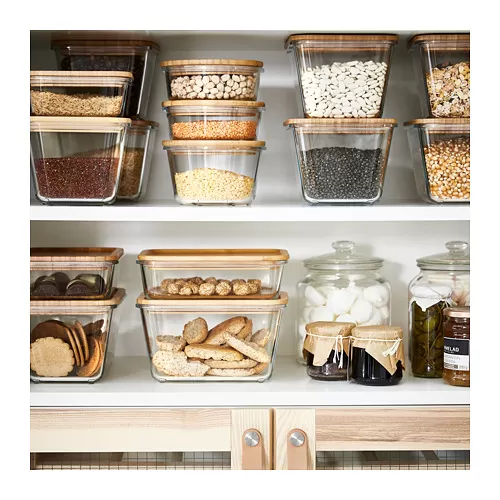
Glass is widely used as a food container material because its surface does not easily absorb food odors or colors. This material also allows you to see the contents without opening the lid.
Some glass containers are designed for use in ovens or microwaves. However, not all types of glass can withstand extreme temperature changes, so usage instructions should still be followed.
Glass containers are suitable for storing cooked food, sauces, and ingredients with strong aromas. In addition to being practical, their appearance can easily complement a simple kitchen arrangement.
4. Stainless steel
Stainless steel is a material commonly used for cooking utensils, bowls, and food containers. It is known for its corrosion resistance when the appropriate type is used under suitable conditions.
Its advantages include durability and ease of maintenance. However, the type of stainless steel, surface quality, and suitability for certain foods should still be considered.
Metal containers generally should not be used in conventional microwaves unless the appliance and its manufacturer specifically permit such use.
5. Silicone for food equipment
Silicone is used in various kitchen essentials, such as container lids, spatulas, and food molds. This material is flexible, allowing it to be used in products of different shapes.
Silicone designed for food contact can be used within the temperature range specified by its manufacturer. However, silicone quality and durability may vary between products.
Therefore, before using silicone equipment for hot food or baking, check the maximum temperature information and care instructions.
What is the difference between food grade, BPA free, and microwave safe?
These three terms are often found on food packaging and containers. Although they relate to material safety or usage, each has a different meaning.
|
Term |
Definition |
What to consider |
|
Food grade |
Material suitable for food contact under specific conditions of use |
Not always heat-resistant |
|
BPA free |
A product stated to be free from bisphenol A (BPA) |
Does not guarantee the safety of all material components |
|
Microwave safe |
A product stated to be suitable for microwave use |
Follow temperature limits and usage instructions |
|
Freezer safe |
A product suitable for storage in a freezer |
Not always safe for heating |
For example, a plastic container used to store cut fruit may be suitable for cold storage. However, the same container may not necessarily be suitable for heating food in a microwave.
The FDA also distinguishes food contact material requirements based on food types and conditions of use, including room-temperature storage, freezing, and heating. Therefore, usage instructions are important information in addition to the material type.
Recommended IKEA food storage containers for your kitchen needs
After understanding the meaning of food grade, the next step is to choose containers based on their material, size, and intended use. IKEA offers various food storage essentials that can be adapted to everyday kitchen needs.
Below are several products listed as available online at IKEA Indonesia at the time of checking. Availability may change.
1. PRUTA food container and lid set of 17
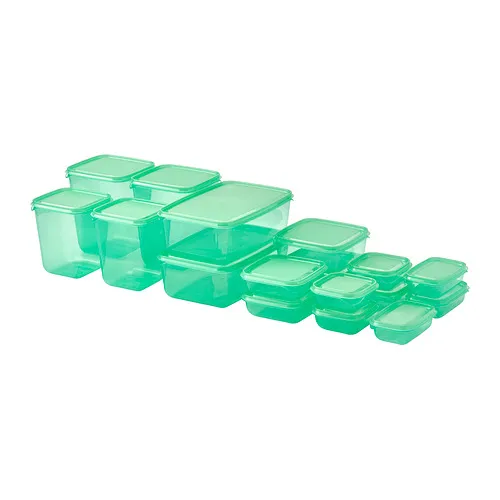
PRUTA includes 17 PP plastic containers in various sizes. They are suitable for organizing cut fruit, snacks, packed meals, and leftovers. The product is stated to be microwave safe, freezer safe, and dishwasher safe, but it is not designed as a leakproof container for carrying liquids.
2. IKEA 365+ plastic food container 750 ml
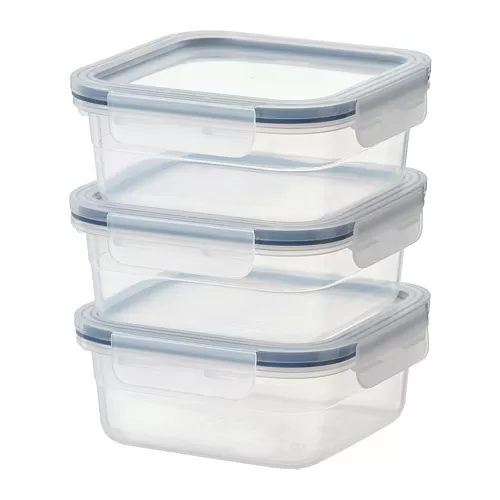
This PP container with a silicone seal can be an option for carrying food or storing side dishes. Its lid helps prevent leaks, and the product is stated to be microwave safe, freezer safe, and dishwasher safe.
3. IKEA 365+ glass food container 400 ml
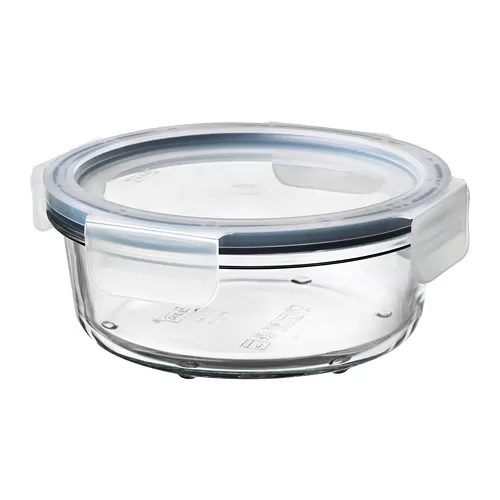
This glass container is suitable for storing soups or sauces in small portions. The glass part can be used in an oven and microwave according to the instructions, while the lid must not be placed in the oven.
4. KORKEN glass jar 1 litre
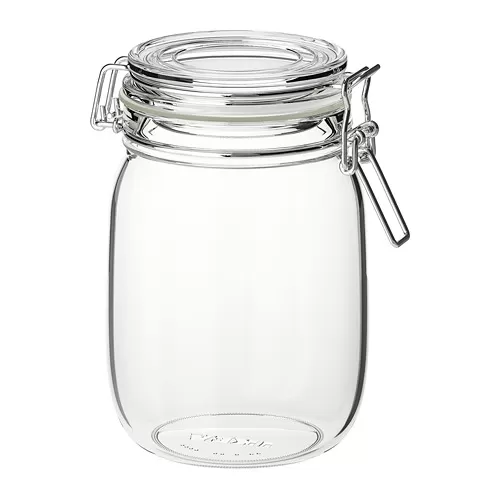
KORKEN features clear glass with a locking lid and rubber seal. It is suitable for storing granola, biscuits, pasta, and various dry ingredients, keeping them neatly organized and easy to see.
5. ISTAD food storage bags 1/0.4 litre
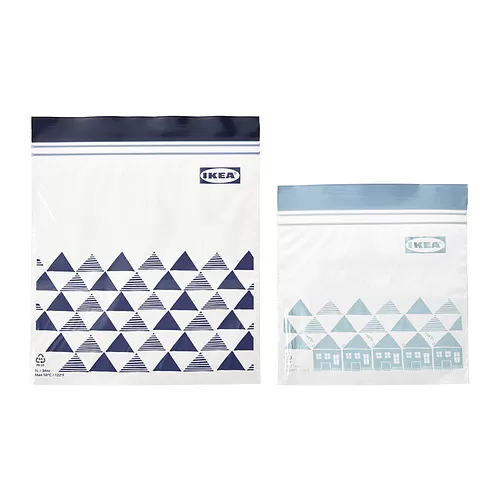
ISTAD is made from polyethylene plastic with a double seal. It is suitable for storing snacks, small food ingredients, or food in the freezer. The bags can be hand-washed and have a maximum usage temperature of 50°C.
How to choose suitable and safe food containers
Choosing food containers should begin by considering your kitchen activities. Containers for storing dry food have different requirements from those used for reheating dishes or carrying packed meals.
1. Match the material to the type of food
For soups or foods with strong aromas, glass containers can be an option because they are easy to clean and do not easily absorb odors.
Meanwhile, lightweight plastic containers can be used for packed meals or food ingredients, provided their product specifications are taken into account.
If you store biscuits, cereals, and dry ingredients, consider jars with tightly fitting lids. Transparent containers also help you identify their contents and monitor your food supplies.
2. Pay attention to temperature limits
Before using a container to heat food, read the instructions regarding its maximum temperature and suitability for ovens or microwaves. Avoid assuming that all materials of the same type have similar temperature resistance.
Also pay attention to the lid components. For some products, the container itself can be used in an oven, but the lid must be removed first.
3. Choose the size that suits your needs
Small containers can help you organize spices, cut fruit, or side dishes into specific portions. Meanwhile, larger-capacity containers are more suitable for storing food ingredients in greater quantities.
Using containers of different sizes also makes it easier to organize cabinets and refrigerators. You can choose stackable models to make storage space more efficient.
4. Check the condition and cleanliness of containers
Storage equipment should be cleaned according to the manufacturer's instructions, especially before first use. Make sure no food residue remains on the lid, container corners, or rubber seals.
If a container develops cracks, changes shape, or suffers damage that may affect its use, consider replacing it. Regular inspections help you maintain the condition of your kitchen essentials.
Read also: Inspiration for organizing food storage neatly in the refrigerator
A quick guide to choosing containers based on your needs
You can combine several materials to make kitchen storage more practical.
|
Needs |
Materials to consider |
IKEA product examples |
|
Carrying packed meals |
PP plastic according to instructions |
|
|
Reheating food |
Heat-resistant glass or containers labeled microwave safe |
|
|
Storing dry ingredients |
Glass with a tightly fitting lid |
|
|
Storing food in the freezer |
Containers or bags stated to be safe for freezing |
|
|
Storing strongly aromatic dishes |
Glass with a suitable lid |
Remember that safe storage does not depend solely on the material. Container cleanliness, storage temperature, and how long food is stored should also be considered.
FAQ about the meaning of food grade
Not always. Food grade indicates that a material is suitable for food contact under certain conditions, but it does not automatically mean that the material can withstand high temperatures.
The triangle symbol containing the number 5 indicates that the plastic material is polypropylene, or PP. This code helps identify the type of plastic, but it is not a food safety certificate or automatic approval for microwave use.
Yes, provided the product is stated to be microwave safe and is used according to the manufacturer's instructions.
No. Food grade relates to the suitability of materials for contact with food, while BPA free indicates that a product is stated to be free from bisphenol A. These two terms describe different aspects.
Check for cracks, changes in shape, damaged surfaces, or lid components that no longer function properly. If these conditions interfere with cleanliness or proper use according to the instructions, you should consider replacing the container.
Choose food containers that suit your kitchen activities with IKEA
Understanding the meaning of food grade helps you choose safe food equipment by considering the material, usage temperature, container condition, and storage needs.
From preparing packed meals to storing food ingredients in the refrigerator, choosing the right containers can help make your kitchen activities more organized. You can combine plastic containers, glass containers, and jars based on their respective functions.
Discover various food storage containers, lunch boxes, and jars at IKEA.co.id to complement your kitchen needs.
Visit the IKEA food storage collection to compare materials, sizes, and usage instructions before choosing the right products.