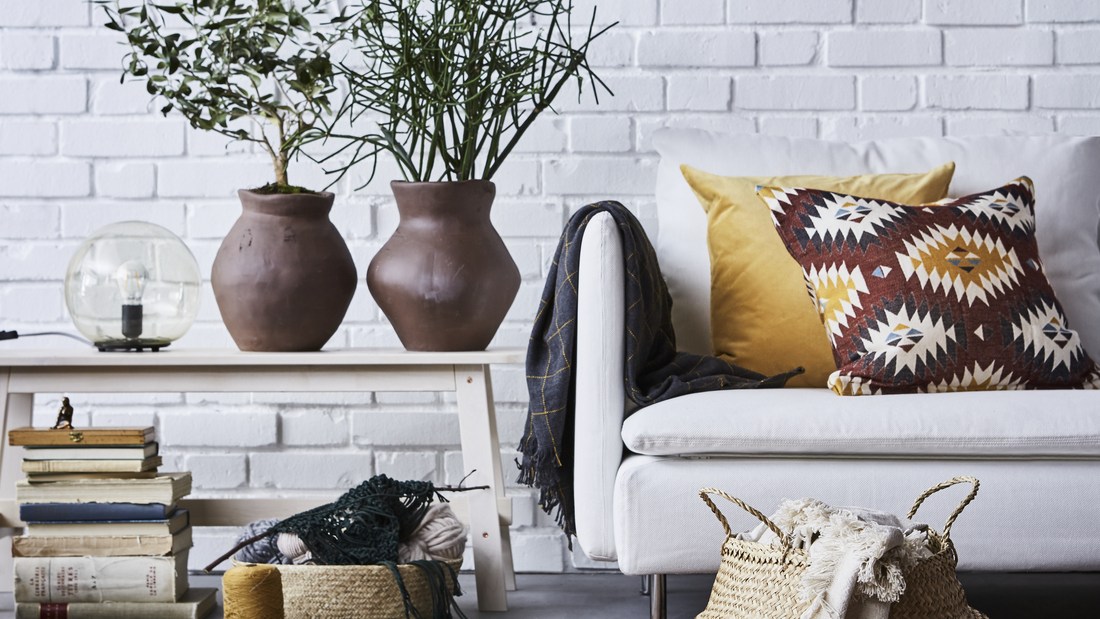
A low-budget industrial home can achieve a strong, modern look without relying on excessive decoration. Industrial design typically highlights materials such as concrete, exposed brick, metal, iron, and wood, combined with neutral colours including grey, black, white, and natural brown tones.
Creating the look on a limited budget does not mean every wall needs exposed brick or every ceiling must reveal its pipes. A more practical approach is to choose several key industrial elements and combine them with functional furniture, simple layouts, and carefully planned lighting.
Industrial design is not automatically cheaper, as exposed materials still require proper installation, finishing, and maintenance. To control costs, focus on selected high-impact elements instead of applying industrial finishes throughout the entire home.
Key Features of Industrial Home Design
Industrial style takes inspiration from factories, workshops, and warehouses where structural elements and materials are often left visible. This is why exposed concrete, brick, metal frames, pipes, cement-look floors, and open layouts have become recognisable features of industrial homes.
The colour palette is usually restrained, with grey, black, white, brown, and metallic finishes playing a central role. To prevent an interior from feeling too cold, introduce wood, plants, textiles, and warm lighting.
Read also:
10 Low-Budget Industrial Home Design Ideas
1. Keep the façade simple and neutral
A home's façade immediately establishes its overall character. For an industrial-inspired exterior, simple geometric forms, grey or white finishes, black window frames, and small touches of wood can create a strong and modern appearance.
Keeping the design simple also helps avoid unnecessary decorative details, making this approach particularly suitable for minimalist industrial homes.
2. Use exposed brick as an accent wall
Exposed brick is one of the most recognisable features of industrial design, but it does not need to cover every wall. Choose one focal area in the living room, dining area, or bedroom instead.
Using brick selectively can create a strong industrial impression while keeping the interior visually balanced. Where real exposed brick is not practical, an appropriate brick-effect finish may offer a similar visual character.
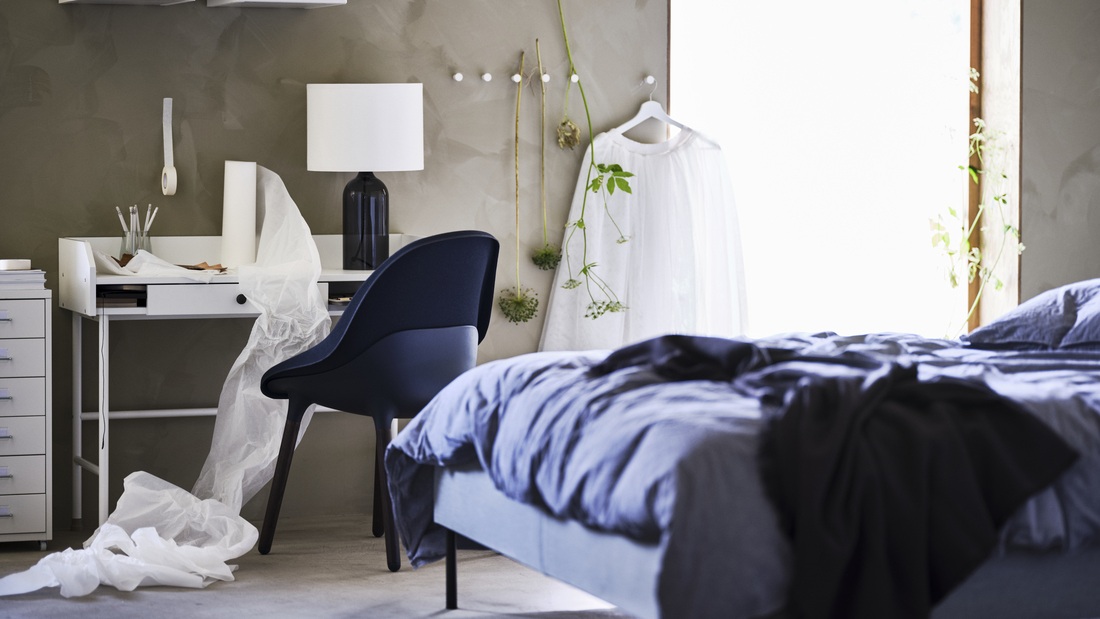
3. Highlight concrete on selected surfaces
Exposed concrete can give an interior a bold architectural character. However, it should be properly planned and finished so the result looks intentional rather than incomplete.
For a lower-budget approach, you do not necessarily need structural concrete everywhere. Grey paint or concrete-inspired finishes on selected surfaces can create a similar atmosphere with less intervention.
4. Consider cement or concrete-look flooring

Cement flooring fits naturally into industrial interiors because of its simple, raw appearance. Grey flooring also provides a versatile base for wood and metal furniture.
Proper finishing is important for durability and maintenance. If real cement flooring is not suitable for your home, consider other flooring materials with a concrete-look surface.
5. Create an open-plan layout
Industrial interiors often feel spacious because they use fewer permanent partitions. Connecting the living, dining, and kitchen areas can help a smaller home feel more flexible and open.
Instead of adding walls, use furniture to create visual zones. A sofa, dining table, shelving unit, or pendant light can separate functions without making the space feel enclosed.
6. Make the most of natural light
Large windows are commonly associated with industrial architecture. Natural light helps balance dark metal, grey surfaces, and exposed materials while making the room feel more spacious.
If changing window sizes is not practical, keep bulky furniture away from existing windows and use simple window treatments so daylight can travel further into the room.
7. Combine wood and black metal furniture
The combination of natural wood and black metal creates a strong industrial character while adding warmth to the room. This pairing works particularly well for shelves, tables, TV units, and storage furniture.
The FJÄLLBO shelving unit, for example, combines wood and metal in a design that can fit naturally into an industrial-style home.
Choosing furniture with strong material character can also reduce the need for excessive decorative accessories.
8. Add industrial-style lighting
Lighting can function as both a practical element and a design statement. Metal pendant lights in black or dark finishes can reinforce the industrial atmosphere in kitchens, dining areas, and living rooms.
Consider the HEKTAR pendant lamp or SKURUP pendant lamp as examples of lighting with a strong metal character.
One well-placed statement light is often more effective than filling the room with too many decorative fixtures.
9. Use open shelving and metal storage
Open shelving keeps storage visually lighter than large closed cabinets while allowing the material itself to become part of the interior design.
Alongside FJÄLLBO, a BROR shelving unit can add a stronger metal character to storage areas. For flexible organisation, the NISSAFORS trolley can be moved between the kitchen, workspace, and other compact areas.
10. Balance raw materials with warmer details
Too much concrete, metal, and grey can make an industrial home feel cold. Introduce plants, rugs, cushions, textiles, or natural wood to create a more comfortable atmosphere.
Keep these additions simple. A few soft textures and warmer tones are usually enough to make the home feel inviting without removing its industrial identity.
Create an Industrial Look Without Major Renovation
If your budget is limited, focus on the elements that create the strongest visual impact. A single feature wall, metal-and-wood furniture, open shelving, and one statement light can be enough to transform the character of a room.
A simple formula is:
1 focal surface + 2 main materials + 1 statement light.
For example, combine a grey feature wall with wood and black metal furniture, then add one industrial pendant lamp. This approach allows you to create a distinctive industrial interior without altering the entire structure of the home.
Create an Industrial Home That Fits Your Style
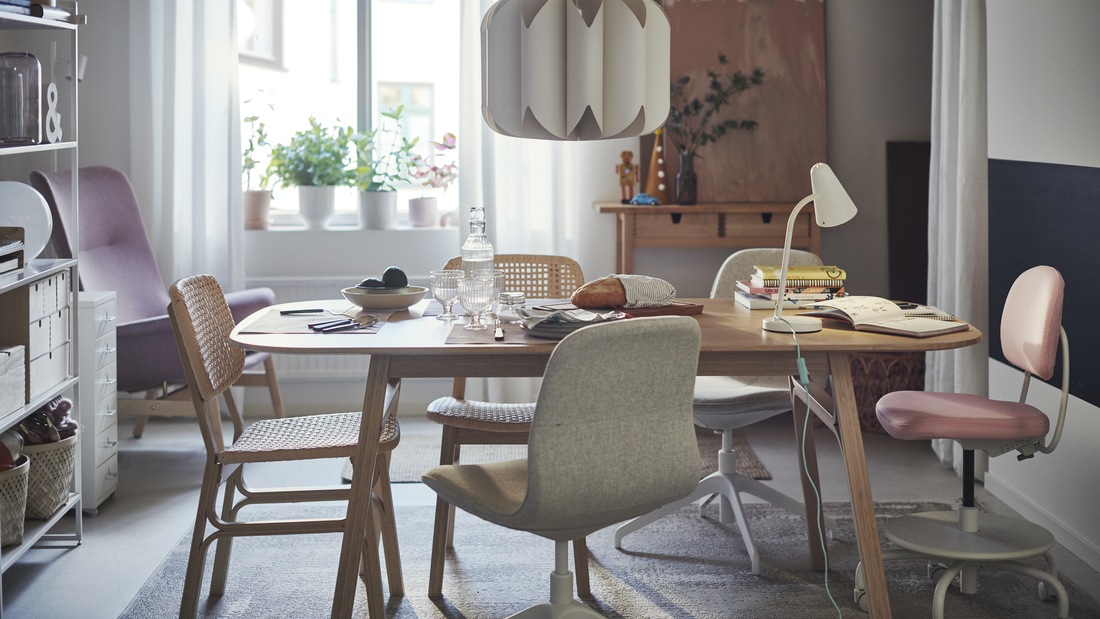 An industrial home does not require a complete renovation. By carefully choosing colours, materials, lighting, and functional furniture, you can create a home that feels modern, stylish, and practical while keeping the project within your budget.
Explore IKEA's open storage collection and pendant lamps to find pieces that can complement your industrial interior.
Frequently Asked Questions About Industrial Homes
Industrial homes commonly feature exposed concrete or brick, metal elements, neutral colours, open layouts, simple furniture, and lighting inspired by factories or workshops.
Not necessarily. While some decorative finishes may be reduced, exposed materials still need careful construction and finishing. Cost savings are more likely when the concept is planned early and used selectively.
Grey, black, white, and natural wood tones form a versatile industrial palette. Softer textiles, plants, and warmer colours can be added to prevent the room from feeling too cold.
Furniture with simple forms, open structures, and combinations of wood and metal works particularly well. Open shelving, metal-framed tables, storage units, and dark pendant lamps can help reinforce the style.
Focus on a few visually important changes, such as one feature wall, wood-and-metal furniture, industrial lighting, and open storage. Avoid unnecessary structural renovation when the main goal is simply to introduce an industrial character.