Choosing the right light color can create a more comfortable atmosphere in every room of your home. Proper lighting helps set the right mood based on your daily activities.
Each type of lamp has different lighting characteristics depending on its color temperature. To help you make the right choice, read this complete guide below.
Definition light color temperature
The first step in choosing the right lighting color for your room is to identify and classify the color temperature that best suits the space.
Light color temperature refers to the color of the light produced by a lamp. It determines whether the light appears warm, neutral, or bright with a bluish tone.
Light temperature is measured in Kelvin, commonly written as K. The lower the Kelvin value, the warmer the light produced.
The Kelvin scale works as a simple reference for all types of lighting. Understanding this scale helps you choose the right lamp according to the needs of each room.
Types of LED Light Colors
Here are the common types of light colors produced by LED lamps:
1. Warm White (2700K–3000K)
Warm white produces a soft yellowish light that creates a cozy atmosphere in a room. This type of lighting is commonly used to create a more relaxing environment.
Warm white lighting works best in resting areas and spaces meant for relaxation. It helps make a room feel warmer, especially during the evening.
2. Soft White and Neutral White (3000K–4500K)
Soft white and neutral white produce a more natural-looking light compared to warm white. This type offers a balance between visual comfort and brightness.
Neutral white lighting is suitable for activities that require light focus throughout the day. It is commonly used in workspaces or multifunctional rooms.
3. Cool White and Daylight (5000K and Above)
Cool white produces bright white light with a sharper and cleaner appearance. While, daylight creates a visual effect similar to natural sunlight during the daytime.
This type of lighting supports activities that require high concentration for long periods. It is often used in work areas or productivity-focused spaces.
Also Read: Latest minimalist living room lamp models, a blend of efficiency and captivating contemporary design
How Light Color Affects Room Atmosphere
Light color directly influences the atmosphere of a room through visual perception and psychological response. Here is how it works:
1. Psychological Effects and Visual Comfort
Warm white lighting creates a relaxing effect that feels comfortable on the eyes. This type of color is often used to create a calmer atmosphere.
Bright white light improves focus and helps maintain alertness during activities. Balanced lighting combinations can also reduce eye strain.
2. The Relationship Between Light Color, Sleep Quality, and Concentration
Exposure to certain light colors can affect the body’s natural rhythm throughout the day. This is directly related to hormones that regulate the human sleep cycle.
Bluish white light at night can naturally reduce melatonin production. In contrast, warm lighting helps prepare the body for rest.
How to Choose the Right Light Color
You can choose the right lighting color for each room by following these tips:
1. Match It with Room Function and Size
Small rooms usually feel more comfortable with warm lighting. The visual effect makes the space look wider and feel more inviting.
Large rooms require more evenly distributed lighting. Neutral white is an ideal choice to maintain balanced illumination.
2. Consider Natural Light and Bulb Function
The amount of natural sunlight entering the room affects additional lighting needs. Lamp selection should adapt to room conditions throughout the day.
Rooms with large windows usually work well with cool white or neutral white lighting. This combination helps maintain balanced room colors.
3. Combine Different Light Colors for Optimal Mood Lighting
Using multiple light colors creates a more flexible room atmosphere. This technique is commonly used to adjust lighting based on different times of the day.
Warm white works well at night for a relaxing environment. Neutral white is more suitable for productive activities in the afternoon.
Recommended Light Colors for Each Room
Lighting recommendations should match the function of each room for optimal results. Here are some suggestions:
1. Living Room
The living room needs comfortable lighting for family gatherings and daily activities. Warm white and soft white are the most commonly used lighting options.
Warm lighting helps create a more welcoming atmosphere when receiving guests. It also makes the interior look more aesthetically pleasing.
2. Dining Room
The dining room works best with lighting that creates comfort during family gatherings. Soft white is a popular option for this area.
Proper lighting makes mealtime feel warmer and more enjoyable. Food colors also appear more natural when served.
3. Kitchen
The kitchen needs clear lighting to support daily cooking activities. Neutral white helps users see details more comfortably while working.
Neutral lighting makes the cooking area look cleaner and brighter. Preparing meals becomes more practical and efficient.
4. Bedroom
The bedroom requires lighting that supports rest and relaxation. Warm white is the best option for creating a calming effect.
Its warm yellow tone helps the body feel more comfortable before sleeping. It also makes the room feel more peaceful.
5. Bathroom
The bathroom needs bright lighting to make daily activities more comfortable. Cool white or daylight lighting are commonly used choices.
Bright white light creates a clean and refreshing impression in the morning. Activities such as grooming and getting ready become easier.
Also Read: Tips for choosing minimalist decorative lamps for your home
Recommended Lamp Brands for Every Corner of Your Home
Every lighting option comes with its own design, function, and features to suit different rooms and interior styles. Choosing the right lamp can help create a more comfortable atmosphere while enhancing the overall look of your home.
IKEA offers a complete collection of lamps for various needs, from table lamps and floor lamps to ceiling and wall lighting solutions. You can explore the full range in the IKEA lighting collection.
Here are some lighting recommendations you can consider:
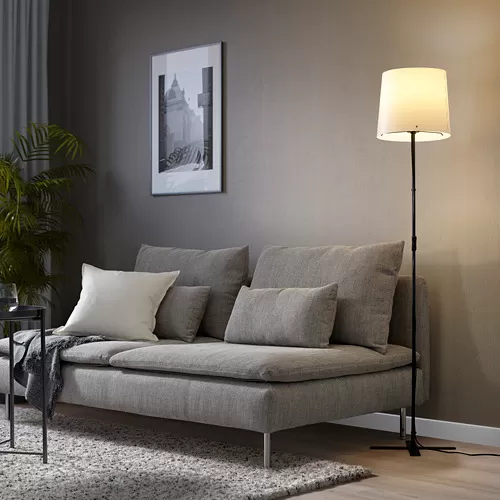
1. BARLAST
BARLAST is a floor lamp with a minimalist design that suits modern relaxation spaces. Its light color options work perfectly as additional lighting for room corners.
Its 150 cm height helps distribute light more evenly across specific areas. This product is ideal for living rooms or reading corners.
Click on the image for more details:
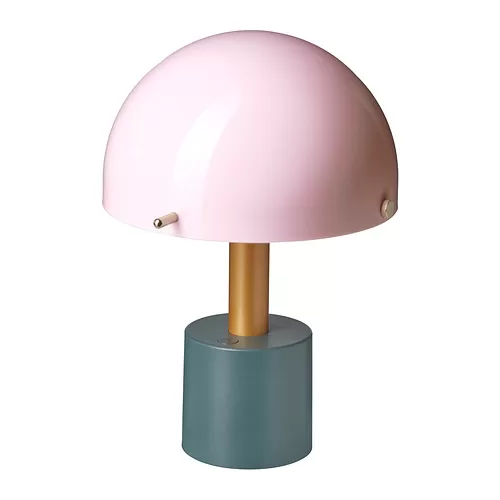
2. NÖDMAST
NÖDMAST is a portable LED lamp designed for various household needs. Its portable battery design allows users to move it more freely.
Its compact 26 cm size makes it convenient for work desks or decorative corners. The modern color options add an aesthetic touch to home interiors.
Click on the image for more details:
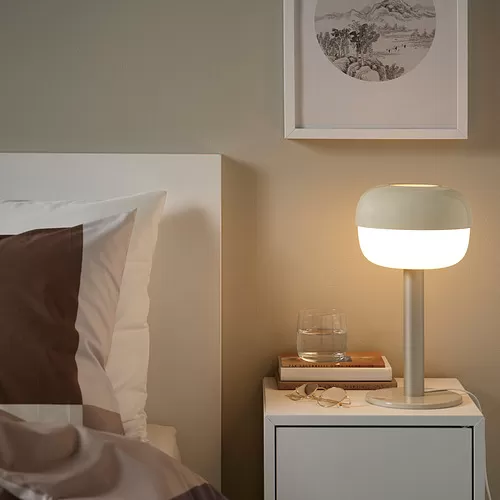
3. BLÅSVERK
BLÅSVERK is a table lamp with a simple yet elegant and retro design. It is suitable for light workspaces or study desks.
Its cream color makes it easy to match with different interior styles. The light produced helps make daily activities more comfortable.
Click on the image for more details:
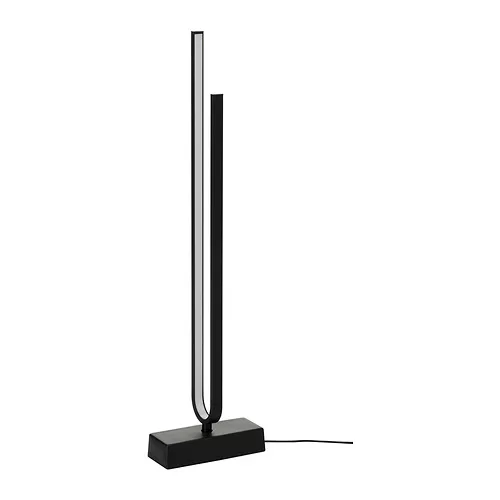
4. PILSKOTT
PILSKOTT is a smart LED floor lamp with a modern, minimalist design. It is ideal for rooms with contemporary interior concepts.
Its smart lighting technology makes it easier to adjust daily lighting needs. Users can customize room ambiance more flexibly.
Click on the image for more details:
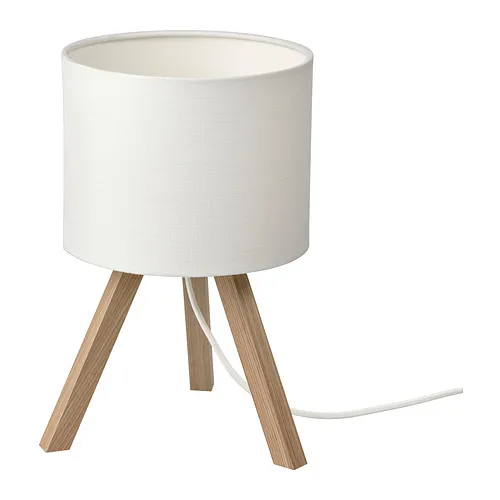
5. STORSEGEL
STORSEGEL is a table lamp featuring a combination of ash wood material and elegant white color. Its natural design makes it suitable for work desks or decorative purposes.
Its soft lighting helps make reading activities more comfortable. The simple appearance makes the room feel more modern.
Click on the image for more details:
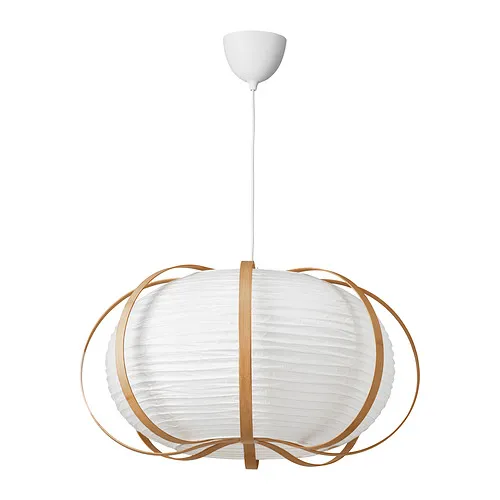
6. HAVSDJUP/TAGGTOFS
HAVSDJUP/TAGGTOFS is a pendant lamp with a unique design made from white-painted bamboo that adds a decorative touch to any room. The lampshade frame creates a visual effect as though the interior of the lamp appears to float, enhancing its aesthetic appeal.
The lamp is easy to bring home as it comes packaged in convenient flat-pack packaging. The light it produces feels soft and helps create a cozy home atmosphere, making it well-suited for use in dining rooms or living rooms
Click on the image for more details:
Find the Best Light Color for Every Room
Choosing the right light color helps create a more comfortable atmosphere while supporting daily activities at home.
Understanding color temperature and the function of each type of lamp makes it easier to determine the best lighting choice for your home.
If you are looking for various lamp options with suitable light colors for every need, explore the complete collection of high-quality lighting products that are not just aesthetic but also functional at IKEA.co.id.
FAQ
Light color temperature directly affects melatonin production, a hormone that regulates the sleep-wake cycle, through the eye’s sensitivity to different light wavelengths.
Exposure to certain light temperatures can either support or suppress melatonin release.
This is why lighting plays an important role in maintaining healthy sleep patterns.
Bedrooms are more suitable for warm white or soft yellow lighting. This type of light helps create a relaxing atmosphere before sleep. Warm lighting also makes the room feel more comfortable at night.
Warm white produces a soft yellow light that feels cozy and relaxing. Neutral white produces a natural white light that is suitable for daily activities. Cool white produces a bright white light that helps improve focus and alertness.
Workspaces are generally best suited for lighting between 4000K and 6500K. This range produces neutral to bright light that supports concentration. Reading and working also feel more comfortable with adequate lighting.
LED lamps have different light colors because each chip is designed with a specific color temperature. These differences create light that can range from warm yellow to cool bluish white. This technology allows users to choose lighting based on their room’s needs.