Interior design plays a role in helping create a space that feels more directed for working and activities. A clear room layout can make it easier for someone to distinguish areas for focus, resting, or discussion. This division of functions can be the first step for activities to run in a more organized manner.
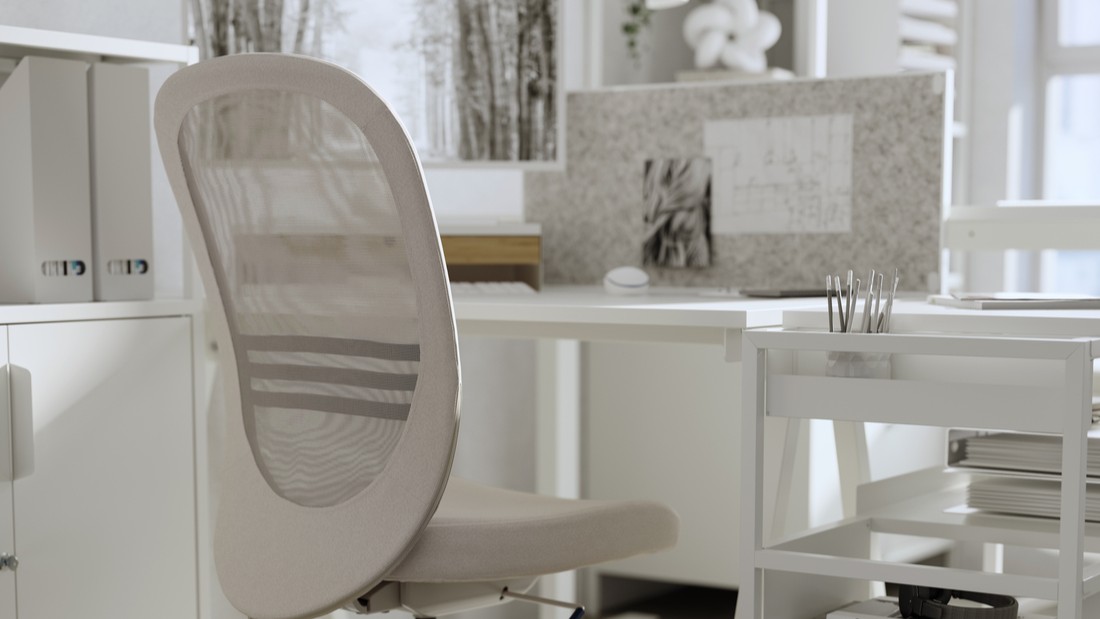
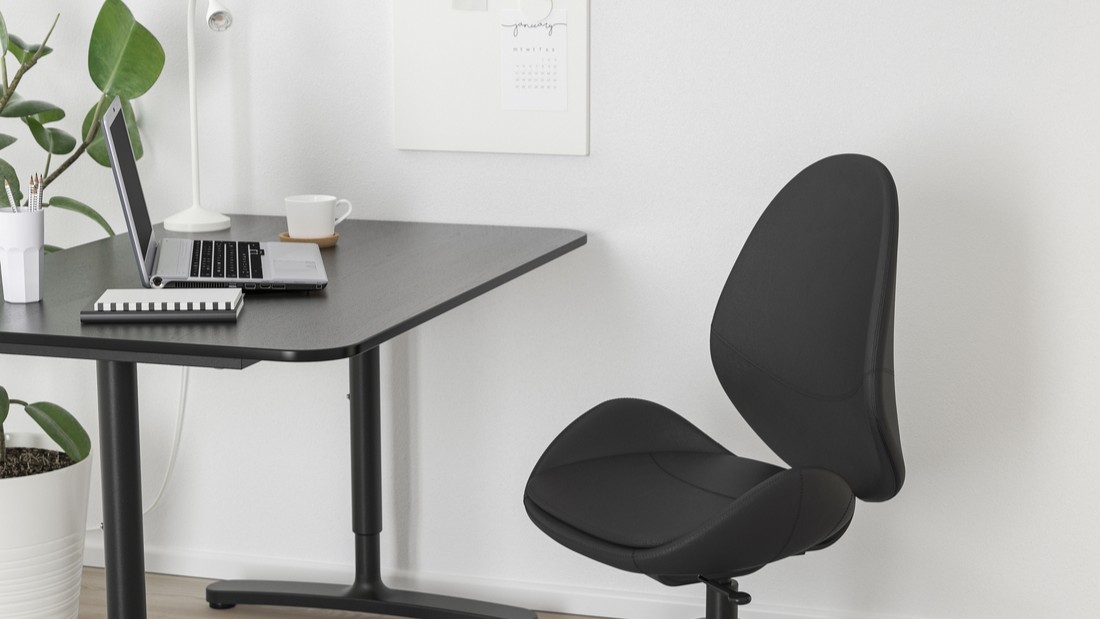
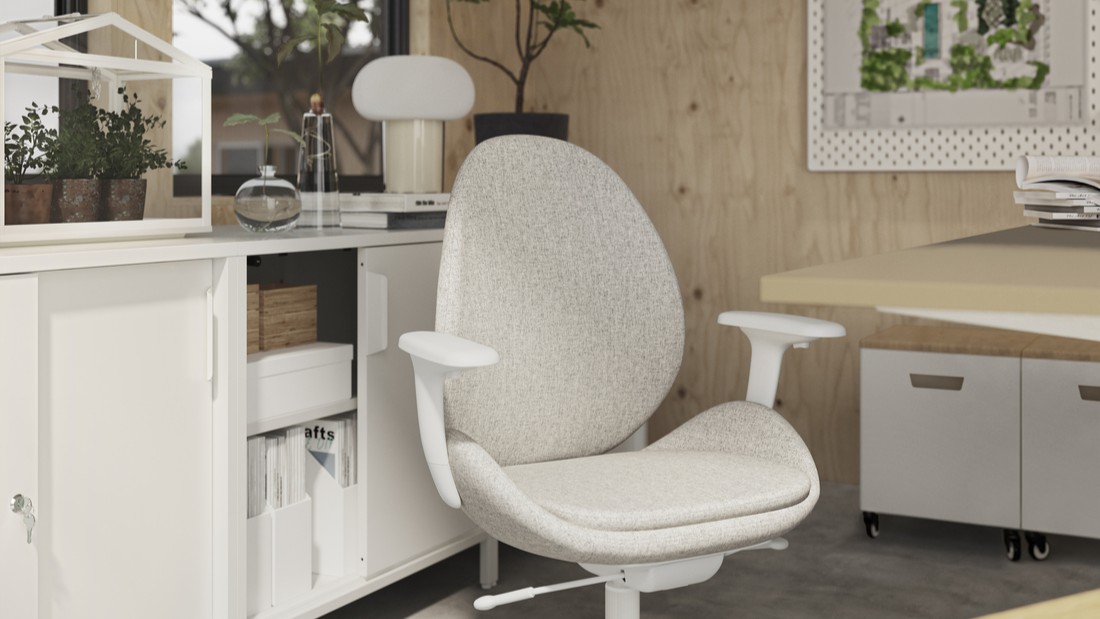
The choice of furniture also affects comfort during work. Tables and chairs with sizes that suit the needs can help keep the body position comfortable when sitting for a longer time. When the body does not have to adjust its position too often, attention can be better directed toward the work being done.
In addition, interior design that considers the flow of movement can reduce small distractions that often go unnoticed. Sufficient distance between furniture, easy access to storage areas, and placing work equipment within arm's reach can support a more efficient workflow, both at home and in a coworking space.
In the context of working outside the home, such as in a coffee shop or cafe with a work from cafe concept, simple and not too crowded interior design is often chosen. A quiet atmosphere, minimal decoration, and well-organized indoor and outdoor areas can help create a more comfortable work experience without feeling isolated.
Color, light, and workspace atmosphere
Color and light are interior design elements that are often encountered but frequently overlooked. In fact, both can influence the atmosphere of a room and the way someone responds to the work environment. Choosing the right colors can help create a space that feels more balanced for various activities.
Neutral and natural colors are often used in workspaces because they are easy to combine and do not tire the eyes quickly. A touch of soft color on the walls, furniture, or decoration can provide visual variety without feeling conspicuous. This approach provides room for focus while still presenting an aesthetic impression.
Lighting also plays an important role. Natural light from windows can help activities during the day, while directed artificial lighting is useful when working in the afternoon or evening. The combination of both can support visual comfort, especially when working for a long duration.
Interior design inspiration from various modern workspaces
Modern workspaces are no longer fixed to one form or location. At home, the workspace often blends with other areas, such as the dining room or family room. A desk placed near a window, sufficient lighting, and simple decorations can help this area function doubly without feeling crowded.
This kind of arrangement is suitable for those of you who work in the morning and then use the same space for other activities in the afternoon or evening. Desk arrangement inspiration can also be applied to the dining area so it remains comfortable for various purposes, including working.
Meanwhile, workspaces outside the home, such as a coffee shop or coffee and cafe, often rely on atmosphere as the main attraction. Many places offer a quiet indoor area and an outdoor area with natural lighting and green plants. Interior design that is not too crowded, equipped with wifi and power outlets, is often chosen by freelancers or students who want to work or study while enjoying the atmosphere.
Read also: Find your favorite interior design theme
Simple tips for arranging the interior to be more productive
Arranging the interior to support productivity does not always require big changes. Simple steps can instead be a relevant start to creating a workspace that is more organized and comfortable to use every day.
1. Define one focus area
Start by defining one focus area. It does not have to be a special room; a small corner at home or a desk commonly used for working is enough. By having a consistent area, the body and mind can more easily recognize the time to work.
2. Tidy up the work surface
Next, tidy up the work surface regularly. A desk that is too full can be distracting, especially when working for a long time. Leaving some empty space on the desk can help activities feel lighter and more directed.
3. Lighting and furniture position
Pay attention to the lighting and furniture position as well. A desk that receives enough light, both from lamps and natural light, helps visual comfort. The position of the chair and desk that suits the body's needs can support sitting activities for longer durations.
4. Personal elements
Finally, add personal elements sparingly. A small plant, simple decoration, or a favorite object can provide an aesthetic touch without making the space feel crowded. These elements help create a more pleasant atmosphere, whether working at home or adjusting a work corner in another room.
Read also: Modern office interior design inspiration
Arranging the space, arranging the daily work rhythm