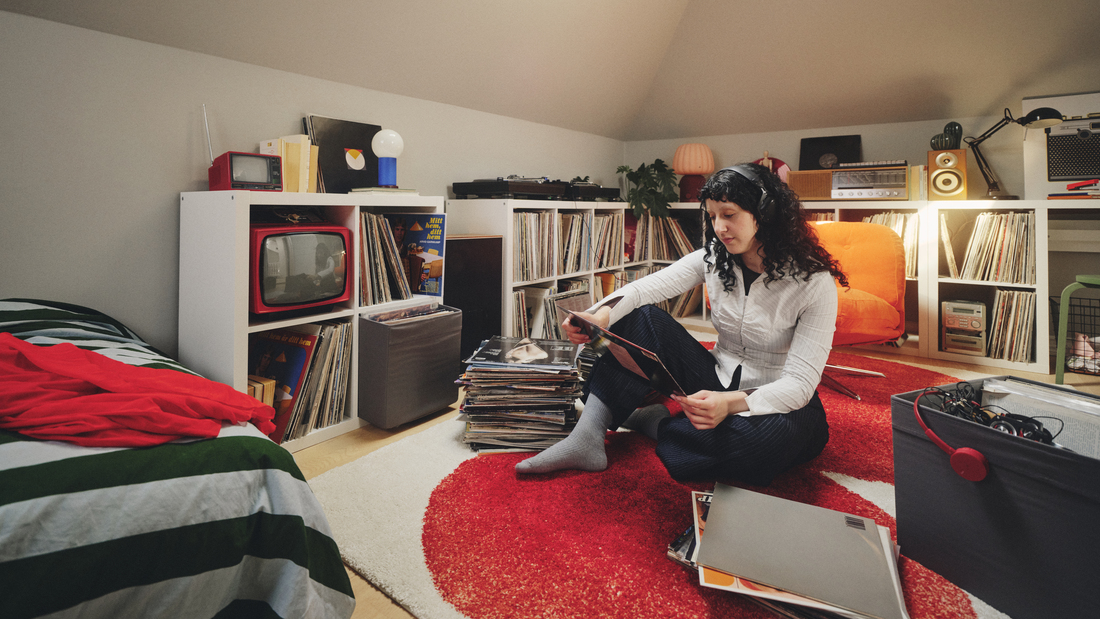
Having a small workspace does not mean you have to sacrifice comfort while working. A bedroom, studio apartment, corner of the living room, or even a small area in an office can still become a functional workspace when arranged according to your needs.
So, how can you create a workspace that feels spacious without losing its functionality? The key is not to fit in as much furniture as possible, but to choose elements that are truly needed and make the most of every part of the space. Here are some tips and recommendations.
a comfortable small workspace does not have to be filled with furniture. Prioritize a proportional desk, a comfortable chair, well-organized storage, and sufficient lighting so the workspace remains spacious, functional, and supports comfortable and productive work.
Tips for organizing a small workspace to keep it comfortable
When space is limited, every arrangement choice can affect your comfort while working. However, you do not have to make major changes to create a more organized workspace.
Start with the elements that have the greatest impact on how the space is used, such as location, desk size, storage, furniture flexibility, and working comfort. Here are five tips to help you organize it without making the area feel crowded.
1. Choose the right location and layout
Choose a location that best suits your work activities, such as a bedroom corner, an area near a window, or an unused part of the living room. Make sure there is still enough space to pull out your chair, move your legs, and move around without blocking the main pathway.
If possible, make use of natural light from a window. Pay attention to its direction so it does not create glare on your laptop screen, and leave some open space around the desk.
2. Choose a compact desk that suits your needs
A desk is the center of your activities, but it does not have to be large. Choose a surface that is large enough for your laptop, stationery, and essential supplies so the desk remains comfortable to use without taking up too much floor space.
Match the desk size to your activities. If your work only requires a laptop, a slim desk may be enough, while activities involving documents or a monitor require a larger surface.
3. Make use of vertical space for storage
When floor space is limited, use the walls as storage areas. Vertical shelves or organizers can hold books, documents, and work supplies without making the desk or floor feel more crowded.
Items that are frequently used should be placed somewhere easily accessible, while less frequently used items can be stored on shelves or in closed storage. This helps keep the desk clear and the workspace more organized.
4. Choose multifunctional or easy-to-move furniture
If your workspace shares a room with a bedroom or living room, flexible furniture can help one area serve multiple activities. A folding desk or furniture that is easy to move can make the space more efficient.
After you finish working, the area can be returned to its main function without having to rearrange the entire layout.
5. Consider your chair, ergonomics, and lighting
A compact desk should still be paired with a comfortable chair. Choose an ergonomic chair that can be adjusted, and make sure your sitting position allows your legs to move while providing adequate support for your back.
Lighting also affects your comfort while working. Make use of natural light when available and add a task lamp when needed so the desk surface is clearly visible without making your eyes tire quickly.
Also read: Minimalist music room design inspiration that is relaxing and aesthetic
How to make a small workspace feel more spacious
A spacious-feeling workspace does not always depend on the size of the room. A lighter appearance and simple arrangement can also help a limited space feel comfortable. Here are some small details that can help maintain a sense of space:
-
Use light or neutral colors to make the room feel more open, and limit decorations so it does not look too busy.
-
Maximize natural light and add a task lamp when needed to keep the area comfortable.
-
Organize laptop, charger, and other device cables so the desk surface does not look cluttered.
-
Make use of the walls with shelves or organizers to reduce the use of floor space.
-
Organize storage based on frequency of use, keeping frequently used items nearby and storing the rest in closed storage.
Recommended items for a small workspace
Once the layout has been determined, you can choose furniture and accessories based on the functions you truly need. IKEA provides a variety of workspace essentials to help create a more organized workspace.
1. ADILS/LINNMON Table

ADILS/LINNMON measures 100 × 60 × 74 cm and has a maximum distributed load of 50 kg. Its compact size makes it suitable for a limited workspace, while its simple design makes the table easy to pair with different interior styles.
2. MALSKÄR/LOBERGET Swivel chair + pad

MALSKÄR/LOBERGET has a width and depth of 67 cm, with an adjustable seat height.
Its seat and backrest are designed to support a comfortable sitting position, while the casters make the chair easier to move when the room layout needs to be changed.
3. SKÅDIS Pegboard

SKÅDIS measures 56 × 56 cm and uses the wall as a storage area. With additional accessories such as hooks and containers, work supplies can be organized vertically so the desk surface remains more spacious.
4. FODERSKOPA Cable organizer bag

FODERSKOPA measures 25 × 53 cm and has several compartments for storing chargers, cables, and small accessories. The bag can be placed on a desk or hung up, making work essentials easier to find without taking up desk space.
5. NÄVLINGE LED clamp spotlight

NÄVLINGE LED clamp spotlight is 34 cm long, has a 2-meter cable, and a clamp range of 10–45 mm. Its clamp design helps save desk space, while the lamp head can be directed toward the area that needs lighting.
Workspace design inspiration based on interior styles
A small workspace can still have character without being filled with decorations. Choose an interior style that matches the atmosphere you want to create, then keep the elements simple so the space continues to feel spacious and functional.
Minimalist design
Use furniture with simple shapes, neutral colors, and a limited amount of decoration. This concept helps reduce a cluttered appearance, making a small workspace feel lighter and more organized.
Scandinavian style
Combine light colors, natural wood elements, and good lighting to create a warm yet spacious atmosphere. This style also emphasizes a balance between function and comfort.
Industrial theme
Use a combination of materials such as wood and metal to give the workspace character. To prevent the room from feeling heavy, use decorations sparingly and keep the layout simple.
Modern theme
Choose furniture with clean lines and clear functions. Add a few decorative accents to give the room character without reducing movement space.
By choosing an interior style that suits you, you can create a more personal workspace without sacrificing functionality. Most importantly, maintain a balance between appearance, comfort, and the use of space.
Also read: Tips for Choosing Wall Decor for a Minimalist Office Workspace
Create a workspace that suits your needs
With the right arrangement, a small workspace can still feel spacious, functional, and comfortable to use every day. Choose furniture according to the size of the space and your activities, from a desk and chair to storage solutions that help keep the area organized.
IKEA provides a variety of furniture options that can be adapted to different space requirements, including workspace furniture, storage, and accessories to help create a comfortable working area.
Visit IKEA.co.id to discover various furniture options and inspiration that can help you organize your workspace according to your needs.
FAQ
Start with the location, desk size, and available movement space. Choose proportional furniture, make use of vertical storage, and ensure sufficient lighting.
Choose furniture that is compact, slim, multifunctional, or easy to move. A desk that suits your needs, an ergonomic chair, and vertical storage can help maximize the space.
Make use of the walls with shelves or organizers and group items according to how frequently they are used. Less frequently used items can be stored in closed storage to keep the desk clear.
Absolutely. A minimalist style, light colors, good lighting, and a limited amount of decoration can make the space feel more personal without reducing its functionality.
Make sure the desk and chair support a comfortable working position, provide sufficient lighting, keep cables organized, and make work essentials easy to find. A tidy area can help make your work activities feel more organized from day to day.
Make sure the desk and chair support a comfortable working position, provide sufficient lighting, keep cables organized, and make work essentials easy to find. A tidy area can help make your work activities feel more organized from day to day.