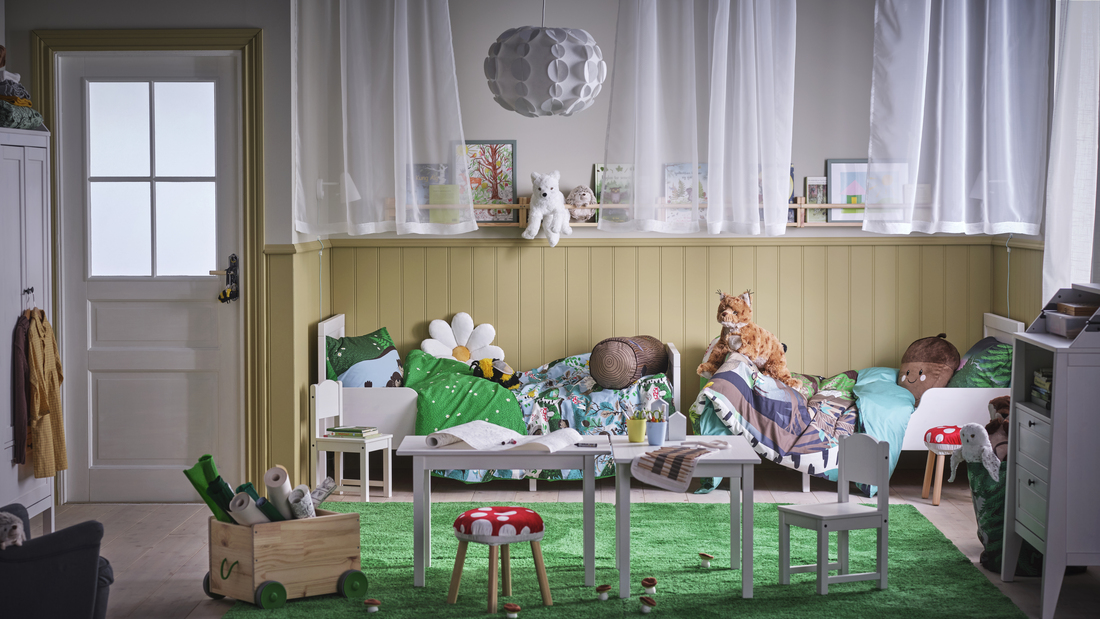
A comfortable baby room does not have to be filled with decorations or expensive furniture. By choosing the right colors, arranging the space efficiently, and selecting suitable furniture, you can create a baby room that is simple, functional, and aesthetically pleasing.
Beyond appearance, make sure every element in the room supports your baby's safety and comfort. Here are some baby room design ideas to help you create a space that is not only beautiful but also functional.
A well-designed baby room should prioritize not only aesthetics but also safety, comfort, and ease of maintenance. Choose colors, furniture, and decorations based on your needs to keep the room functional as your baby grows.
Baby room design ideas to suit your needs
Every family has different space requirements and design preferences. You can choose a nursery concept based on the room's size, your favorite colors, and the furniture you need to keep the space comfortable and easy to organize.
Here are some baby room design ideas you can try:
1. Neutral tones
A combination of white and gray creates a neutral look that pairs easily with various furniture styles. Add warm wood accents to cabinets or drawers to make the room feel more inviting.
This concept is suitable for shared baby rooms or minimalist homes that prioritize design flexibility. Use white walls, simple furniture, and cream-colored textiles to create a harmonious look.
2. Baby blue and pastel colors
Baby blue and pastel colors create a soft, visually calming atmosphere. Pair pale blue with white and light wood to achieve a bright, understated look.
You can also combine cream, baby blue, and pale peach for an alternative color scheme. For greater flexibility, incorporate pastel colors into illustrations or drawer fronts so they can be easily changed when you want to refresh the room's appearance.
3. Modern minimalism with simple furniture
Modern minimalist design emphasizes furniture with simple shapes, practical storage solutions, and minimal decorations. A combination of white, beige, gray, and light wood can make the baby room look neat and organized.
This concept is ideal for small rooms or families who want a space that is easy to clean. Choose furniture based on your needs to maintain enough room to move around and ensure that everything has its own storage space.
4. Vintage style with classic accents
Vintage design creates a warm atmosphere through cream tones, wooden furniture, and classic decorations. Add botanical illustrations or simple picture frames to enhance the room's character without making it look cluttered.
This concept works well in homes with classic furniture that you want to complement. Simply pair a vintage-style cabinet with cream-colored walls to keep the room looking simple and elegant.
5. Bohemian style with minimal decorations
Bohemian design combines sandy tones, natural textures, and wooden materials to create a warm, inviting look. You can incorporate this style through woven accents on cabinets or sturdy storage baskets.
This design is ideal for families who prefer a natural atmosphere with simple decorations. Limit the number of accessories to keep the room tidy and easy to clean.
6. Retro style with geometric patterns
Retro design features geometric patterns and signature colors such as mustard yellow, terracotta, and cream. This color combination adds character to the room without requiring decorations throughout the entire space.
Use an arch-shaped mural on a single wall as the main accent. Pair it with simple wooden furniture to maintain visual balance and prevent the room from looking too busy.
7. Animal theme with wall decorations
An animal-themed nursery can create a cheerful atmosphere through illustrations of animals such as bears, rabbits, or forest wildlife. Choose illustrations with a consistent visual style to complement the room's furniture.
Use cream, soft green, and wood tones to complete the theme. Choose securely mounted wall decorations and keep them away from the baby's sleeping area to prevent them from falling or becoming accessible to your baby.
8. Tropical style with leaf patterns
Tropical design brings a touch of nature indoors through leaf patterns, soft green tones, and wooden furniture. You can use leaf-patterned wallpaper on a single wall to create an accent without overwhelming the room.
Pair the pattern with white walls and cream-colored storage units to maintain a light, airy appearance. If you want to add live plants, make sure they are non-toxic and keep their pots out of your baby's reach.
9. Bright color accents
Bright colors can make a baby room look cheerful without dominating the entire space. Use one or two accent colors on drawers, illustrations, or textiles to create a balanced look.
You can combine white, blue, and soft yellow or choose a combination of cream, green, and coral. Keep the main furniture in neutral colors so you can easily update the decorations later.
10. Sky theme with clouds and stars
A sky-themed nursery creates a soft atmosphere through a combination of white, pale blue, and light gray. Add cloud and star patterns to a single wall to reinforce the theme without requiring too many accessories.
Pair these decorations with a simple wardrobe and white storage units to create a harmonious look. Make sure all decorations are securely installed and avoid small accessories that could come loose or be reached by your baby.
Read Also: Baby wardrobe features that simplify parents’ daily routines
Recommended baby room furniture from IKEA
After deciding on a baby room design, the next step is choosing furniture that suits your family's needs. IKEA offers a variety of baby products to help you organize your nursery in a practical and comfortable way.
Here are some recommended products:
1. SNIGLAR baby cot
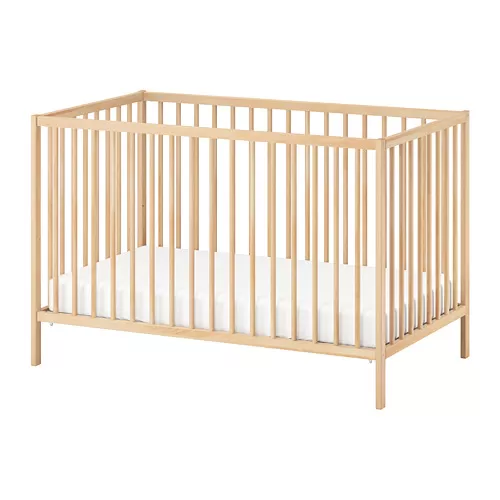
The SNIGLAR baby cot is made from solid beech wood, making it sturdy and durable. Its bed base can be adjusted to two different heights to accommodate your baby's changing needs as they grow.
The cot features a well-ventilated bed base to support airflow. Choose the appropriate base position according to your baby's age and abilities, and follow the product instructions to ensure safe use.
2. PLUTTIG foam mattress for baby cot
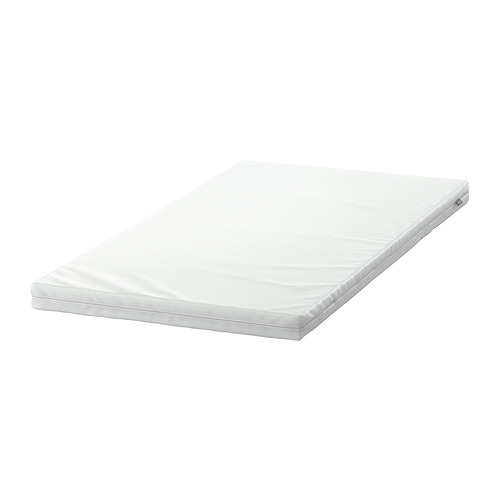
The PLUTTIG foam mattress is 5 cm thick and features a smooth surface on both sides. It can be flipped as needed and comes with a cover that can be wiped clean with a damp cloth.
This mattress is designed to meet applicable safety requirements and fit compatible baby cots. Make sure it fits snugly without dangerous gaps, and follow IKEA's care instructions.
3. ÄLSKVÄRD Mattress for Bassinet
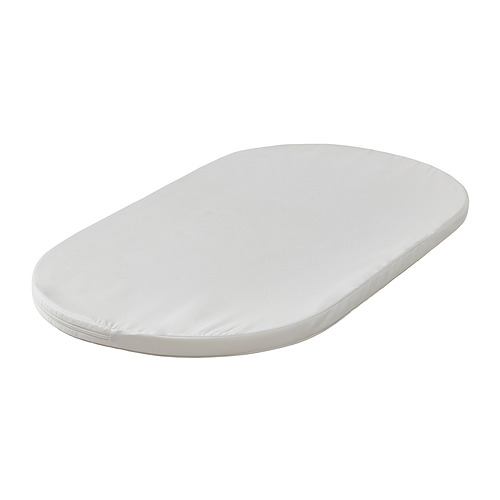
The ÄLSKVÄRD mattress is designed to fit the baby bassinet in the same product series. Its precise dimensions help provide a suitable sleeping surface for bassinet use.
The mattress comes with a removable, washable cover for easy daily maintenance. Make sure it is used with a compatible bassinet and always follow the product's safety instructions.
4. GRÖNFINK Green Blanket
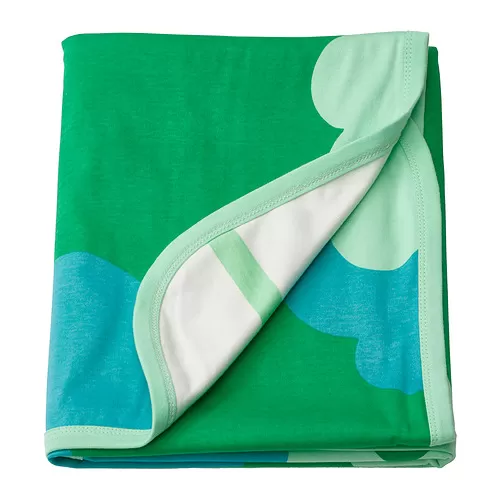
The GRÖNFINK green blanket is made from 100% cotton, providing a soft feel against the skin. Its practical size makes it easy to fold and bring along when traveling with your family.
The blanket is machine-washable at 40°C, making it easy to maintain. To ensure safe sleep, use blankets only when appropriate and do not leave them in your baby's sleeping area unattended.
5. GRÖNFINK fitted sheet for baby mattress
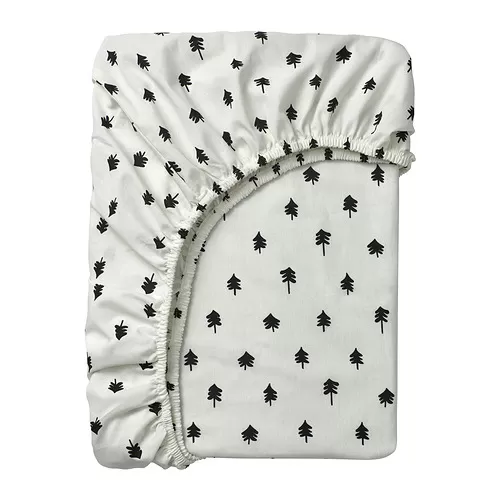
The GRÖNFINK fitted sheet features a tree pattern that pairs easily with various nursery decorations. Its cotton and viscose fabric provides a soft surface to complement a suitable baby mattress.
The elastic edges help keep the sheet in place during use. It can be washed at 60°C according to the care instructions. Make sure the sheet fits the mattress properly so it does not come loose easily.
Create a comfortable baby room with IKEA
An ideal baby room combines aesthetic appeal, practical organization, and safety to meet your little one's needs. From neutral color schemes to sky-themed designs, choose furniture and decorations that make the room comfortable and easy to maintain.
Bring your dream nursery to life with IKEA's interior design services to create a comfortable, functional space that suits your family's needs.
FAQ
It is best to start preparing the baby room several weeks before your expected due date. This gives parents enough time to arrange the furniture and check that everything is safe. Preparing early also helps you avoid strenuous tasks as the due date approaches.
A baby does not need a separate bedroom from birth. Sharing a room with parents while sleeping on a separate sleep surface can make supervision easier and support safer sleep practices.
There is no single temperature that is ideal for every baby, as comfort depends on clothing, humidity, and room conditions. Make sure your baby does not overheat by checking for signs such as sweating or a hot chest, and adjust their clothing to suit the environment.
A humidifier is not always necessary if the room's humidity level is already comfortable. You may consider using one when the air is too dry, but it must be cleaned regularly according to the manufacturer's instructions to prevent mold and bacterial growth.
Clean furniture surfaces regularly, wash textiles according to their care instructions, and avoid accumulating items that can easily collect dust. Make sure the room has good airflow and use cleaning products according to their instructions to prevent your baby from being exposed to harmful residues.