
The dining room is an essential part of any home, serving as a place where family members gather to enjoy meals, share conversations, and spend quality time together. For this reason, choosing the right furniture, including the proper table height, is important to ensure a comfortable dining experience.
Although it is often overlooked, the height of a dining table can significantly affect comfort during meals, body posture, and freedom of movement while sitting. A table that is either too high or too low may lead to discomfort and poor ergonomics over time.
By understanding standard dining table dimensions and how to choose the right size for your available space, you can create a dining area that is both functional and comfortable for everyday use. Here is a guide to choosing the ideal dining table height.
What is the ideal dining table height?
When choosing a dining table, many people focus on its design or color. However, the table's dimensions and height are just as important in ensuring a comfortable dining experience.
In general, standard dining tables are designed to pair comfortably with appropriately sized dining chairs. If the table is too high, your shoulders and arms may become fatigued more quickly while eating or reaching for tableware.
On the other hand, a table that is too low can cause you to hunch over, leading to discomfort and poor posture over time. Before selecting the right dining table, here are the standard dimensions you should know:
-
The standard dining table height ranges from 73–76 cm (29–30 inches).
-
A comfortable dining chair seat height is typically 45–48 cm (18–19 inches).
-
The ideal clearance between the tabletop and the chair seat is 24–30 cm (9–12 inches).
-
Leave at least 75–90 cm (30–36 inches) of clearance around the table for comfortable movement.
In addition to the table height, it is also important to consider the overall size and shape of the furniture. The ideal dining table should comfortably accommodate everyone while allowing the room to remain spacious and functional.
Factors to consider when choosing a dining table
Before purchasing a dining table for your home, there are several factors to consider to ensure it meets your everyday needs.
Room size and clearance
The size of your dining area is one of the most important factors when selecting a dining table. Before making a purchase, measure your available space to determine the most suitable table size while ensuring there is enough room to move around comfortably.
To allow people to pull out chairs and walk around the dining area with ease, leave at least 75–90 cm (30–36 inches) of clearance between the table and nearby walls or other furniture.
Table shape and material
The shape of a dining table significantly affects both its functionality and the overall comfort of the dining space. Square or rectangular dining tables are ideal for symmetrical dining rooms and can maximize seating capacity.
For smaller spaces, a round dining table is often a better option, as it creates a smoother traffic flow and makes the room feel more open.
Besides the table shape, the material is another important consideration. Solid wood offers a warm, timeless, and natural appearance, while modern materials such as quartz provide an elegant look with the added benefit of easy maintenance.
Choosing the right combination of shape and material will help you create a dining area that is both practical and visually appealing.
Everyday household needs
When selecting the size of your dining table, consider how many people will use it on a daily basis. For example, a table designed for four people differs from one intended to seat six or more family members comfortably.
Many households also use the dining table for activities beyond mealtimes, such as working, studying, or doing homework.
For this reason, choosing the ideal dining table should take long-term functionality into account, ensuring the furniture remains practical and versatile for everyday living.
How to choose the right dining table height for your space
Once you understand the standard dimensions of a dining table, the next step is selecting one that fits the size and layout of your dining area.
Solutions for small dining spaces
If you have a limited dining area, a compact or minimalist dining table can be an excellent solution. You can also consider foldable or wall-mounted dining tables to maximize the available space.
Even with a smaller table, it is important to maintain the standard dining table height to ensure a comfortable dining experience. Choosing the right table size allows even a compact dining area to remain functional, practical, and inviting.
Maximizing larger dining areas
If you have a spacious dining room, you'll have more flexibility when choosing a dining table. Larger dining tables with wider tabletops can comfortably accommodate more people, making them ideal for bigger families or those who frequently entertain guests.
However, it is still important to choose a table that is proportional to the size of the room. A table that is too large can make the space feel crowded and reduce overall comfort and functionality.
Foldable and modular dining tables
Foldable and modular dining tables are practical options for households that value flexibility. These designs allow you to easily adapt your space to different needs and activities.
In addition to saving space, they are ideal for multifunctional rooms where the dining area is also used for work, study, or other daily activities.
The risks of choosing the wrong dining table height
Selecting a dining table with an inappropriate height can negatively affect your everyday comfort. A table that is too high may cause unnecessary strain on your shoulders and arms while eating or reaching for tableware.
On the other hand, a table that is too low can force you to lean forward, resulting in poor posture and back discomfort. Inadequate clearance between the table and dining chairs may also restrict legroom, making it difficult to sit comfortably.
Over time, these issues can affect your sitting posture and reduce the overall comfort of your dining experience. For this reason, understanding the ideal dining table height based on ergonomic principles is an important step before purchasing a new dining table.
Recommended dining tables for different needs
Once you understand the ideal dining table height, the next step is choosing a dining table that suits your space and the size of your household.
IKEA offers a wide range of dining tables in various designs, sizes, and materials to match different homes and lifestyles.
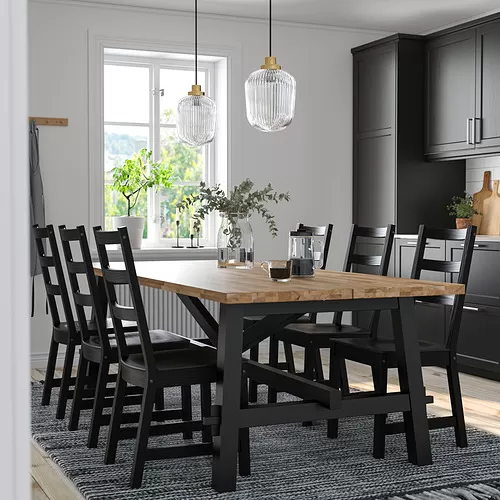
1. SKOGSTA, A premium choice for large families
If you need a spacious dining table for family gatherings or entertaining guests, SKOGSTA is an excellent option.
This dining table combines an elegant design with solid wood construction, creating a warm and natural atmosphere in your dining room.
Measuring 235 × 100 cm, SKOGSTA is ideal for larger dining spaces. It is crafted from solid acacia wood, a durable material known for its strength and long-lasting quality. The natural wood grain gives each table a unique appearance.
Suitable for a variety of interior styles, from minimalist to contemporary, SKOGSTA has also been tested for heavy-duty everyday use. To keep it in excellent condition, simply wipe it with a damp cloth, dry it thoroughly, and tighten the screws periodically to maintain stability.
See the details of SKOGSTA in the image below.
2. STENARED, Modern design with a quartz surface
If you're looking for a dining table that combines modern aesthetics with easy maintenance, STENARED is a great choice.
Featuring a quartz tabletop paired with bamboo legs, this table offers a refined and contemporary look.
With dimensions of 140 × 75 cm, STENARED is well-suited for small to medium-sized families. Its non-porous quartz surface helps resist stains and simplifies everyday cleaning and maintenance.
See the details of STENARED in the image below.

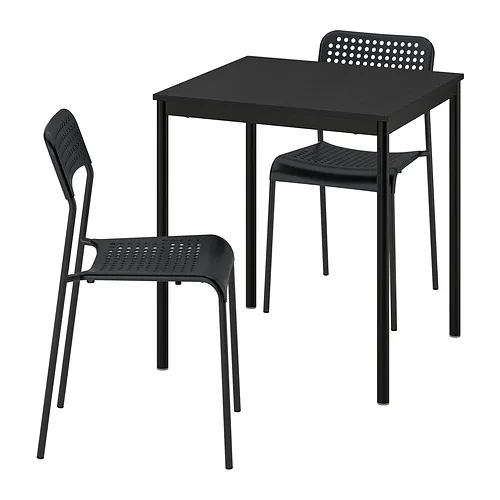
3. SSANDSBERG, A space-saving solution for small apartments
For those living in a studio apartment or a home with limited space, SANDSBERG offers a practical dining solution.
This dining set includes both a table and chairs, thoughtfully designed to maximize space efficiency.
Measuring 67 × 67 cm, it is ideal for compact dining areas. Its minimalist design helps create a more open and spacious feel without compromising everyday functionality.
See the details of SANDSBERG in the image below.
4. HÄGERNÄS, A practical dining set for small families
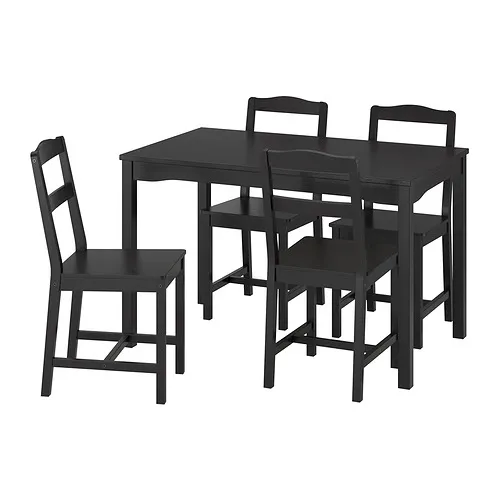
HÄGERNÄS offers a convenient all-in-one dining set that includes one table and four matching chairs, making it an ideal choice for small families.
Crafted from solid pine wood, it brings warmth and a natural touch to your dining space. Its simple, timeless design also makes it easy to complement a wide range of interior styles.
See the details of HÄGERNÄS in the image below.
5. PINNTORP/PINNTORP, A warm and inviting choice for modern dining spaces
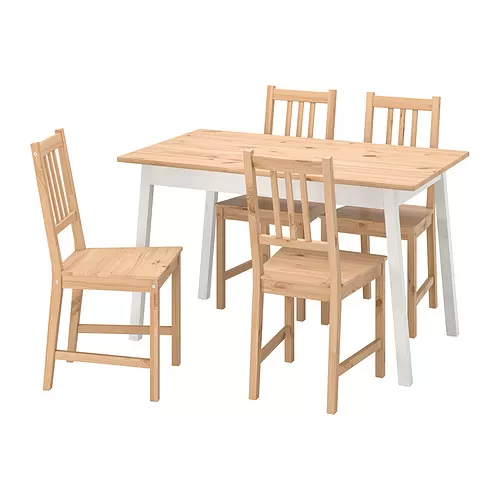
PINNTORP/PINNTORP is perfect for families who value comfort and togetherness. The set includes one dining table and four chairs, making it suitable for everyday meals as well as shared family activities.
Made from solid pine wood with a beautiful natural grain, it creates a warm and elegant atmosphere. Its clean design complements both minimalist and Scandinavian-inspired interiors, making it a practical choice for daily use.
See the details of PINNTORP/PINNTORP in the image below.
Find the right dining table for your dining space
Choosing the right dining table height is an important step in creating a dining area that is comfortable, functional, and suitable for everyday use.
In addition to the table height, you should also consider the table size based on the number of users, the dimensions of your dining space, and your family's daily needs. Taking these factors into account will help ensure long-term comfort during every meal.
If you're looking for the ideal dining table in a variety of sizes, designs, and high-quality materials, IKEA offers a wide selection of dining tables to suit different homes and lifestyles.
Visit IKEA.co.id to explore dining tables that complement your interior style and create a comfortable dining space for the whole family.
FAQ
The standard height of a dining table typically ranges from 73–76 cm (29–30 inches), making it comfortable to use with standard dining chairs.
Start by measuring your dining area, determining how many people will use the table regularly, and selecting a size that provides enough seating while maintaining comfortable clearance around the table.
Yes. Round dining tables are often recommended for smaller spaces because they improve traffic flow and make the room feel more open and spacious.
A dining table for four people is typically 120–150 cm long for a rectangular table or 100–120 cm in diameter for a round table.
A standard dining table is generally 73–76 cm high, while a bar table is taller and is commonly used in kitchens, breakfast areas, or casual dining spaces.