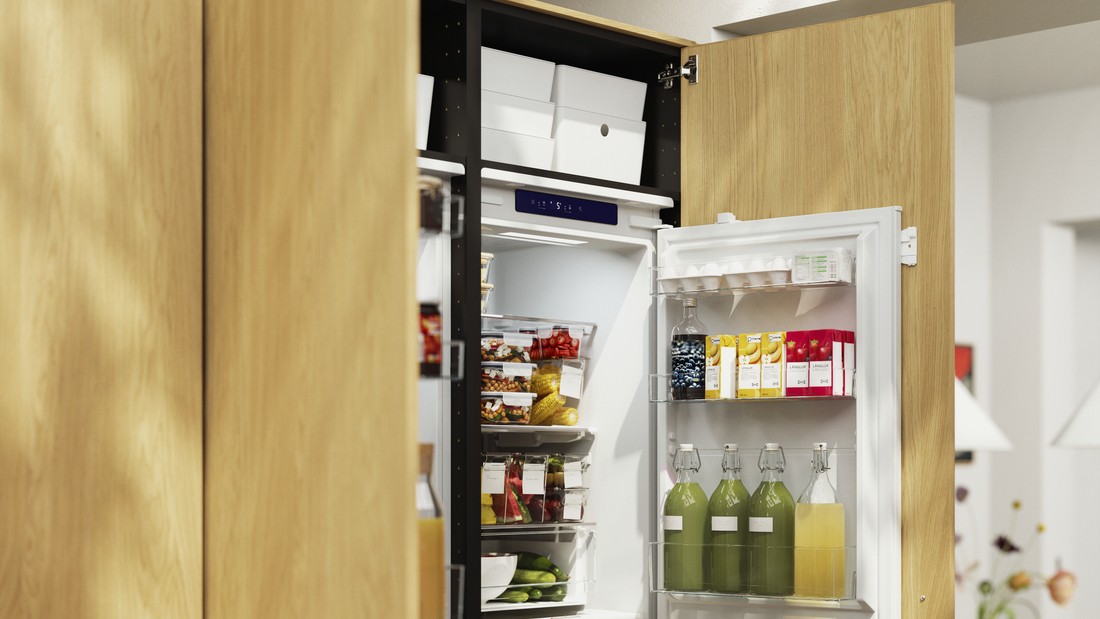
he fridge is the main go-to for storing food stock throughout the fasting month. There are several things to keep in mind to ensure all your ingredients stay fresh and last longer. Here are some tips you can put into practice.
Set the right temperature and airflow inside the fridge
Make sure the fridge temperature stays between 1 and 4 degrees Celsius to keep food in good condition. A stable temperature helps slow bacterial growth and keeps food fresh for longer.
Avoid packing the fridge too full so that air can circulate evenly to every corner inside. Good airflow ensures that every ingredient receives optimal cooling throughout.
Separate raw ingredients from cooked food
Keep raw ingredients such as meat and fish away from food that is already ready to eat. Storing them separately protects food from cross-contamination that could lower the quality of other ingredients.
Place raw ingredients on the lowest shelf of the fridge to prevent their juices from dripping onto other items above. Cooked food should be stored on the upper shelves in sealed containers to keep it clean and fresh.
Store fruits and vegetables the right way before refrigerating
Do not wash fruits and vegetables before storing them because excess moisture speeds up spoilage. Only wash them right before they are about to be consumed or cooked.
Wrap leafy greens in a paper towel before placing them in a container in the fridge. This helps absorb excess moisture and keeps fruits and vegetables fresh and in good condition for longer.
How to keep food fresh and long-lasting
Storing food stock during Ramadan is not simply a matter of putting everything into the fridge. There are several proven methods for keeping various ingredients fresh until they are ready to be eaten.
Use airtight containers for all ingredients
Store food in food containers to protect it from air exposure that can speed up spoilage. These containers also help shield food from insects and unwanted odors from the outside.
Food stored in airtight containers lasts noticeably longer than food wrapped in ordinary plastic with no secure seal. Use airtight containers for dry ingredients like flour and sugar as well, to keep out humid air.
Make use of the freezer for frozen food
The freezer is extremely useful for storing meat, chicken, or pre-cooked dishes prepared in advance. Divide ingredients into small portions before freezing so they are easier to use according to daily needs.
This way, you only take out the portion you need without having to thaw the entire stock at once. Frozen food stored properly in the freezer also helps extend shelf life much more efficiently.
Avoid storing food while it is still hot
Putting hot food directly into the fridge can disrupt the overall storage temperature inside. Steam from hot food raises the temperature in the fridge and affects the other ingredients stored alongside it.
Let food cool down to room temperature first before placing it in the fridge to maintain quality. This habit helps preserve food quality and prevents other ingredients from spoiling due to a sudden temperature change.
Manage your stock so nothing goes to waste
Having plenty of food stock during Ramadan is great, but it still needs to be managed wisely. These two habits can help you manage your stock more efficiently so that no ingredients go to waste.
Apply the first in, first out method
The FIFO method, or First In, First Out, is a simple yet proven approach to managing stock. Place ingredients that were stored first at the front so they are always used up first.
By applying FIFO, no ingredient gets forgotten and expires at the back of the shelf. Write the storage date on every container to make monitoring easier and keep up the habit consistently.
Turn leftovers into new dishes
Leftover food from iftar does not need to be thrown away without being put to good use. You can transform it into a different suhoor dish so that nothing goes to waste.
Leftover rice, for example, can be turned into a new dish that is still nutritious and delicious for the whole family. With a little creativity, healthy food stays on the table without having to buy new ingredients every single day.
Reheat food the right way
Reheating food prepared in advance is a practical way to make suhoor feel more manageable. Make sure food is heated all the way through before eating to maintain its quality and safety.
Reheating food multiple times is best avoided because it gradually lowers the quality over time. Only warm up the portion you are about to eat so the rest stays fresh and good for the next meal.
Also read: Tips for keeping food fresh with quality food storage containers
A well-organized kitchen makes Ramadan feel more comfortable