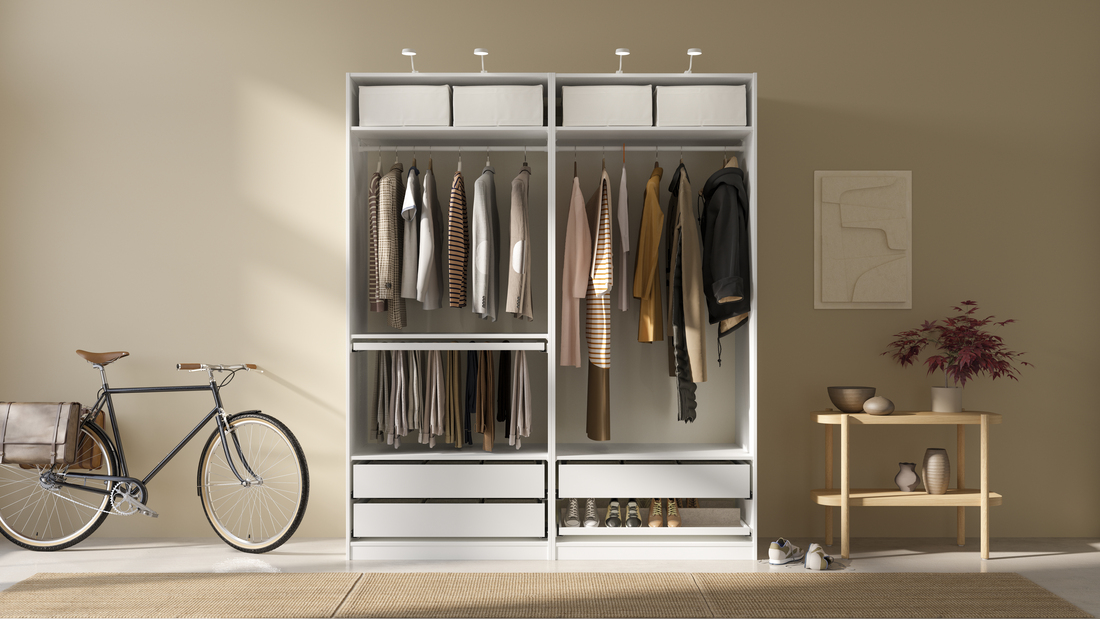
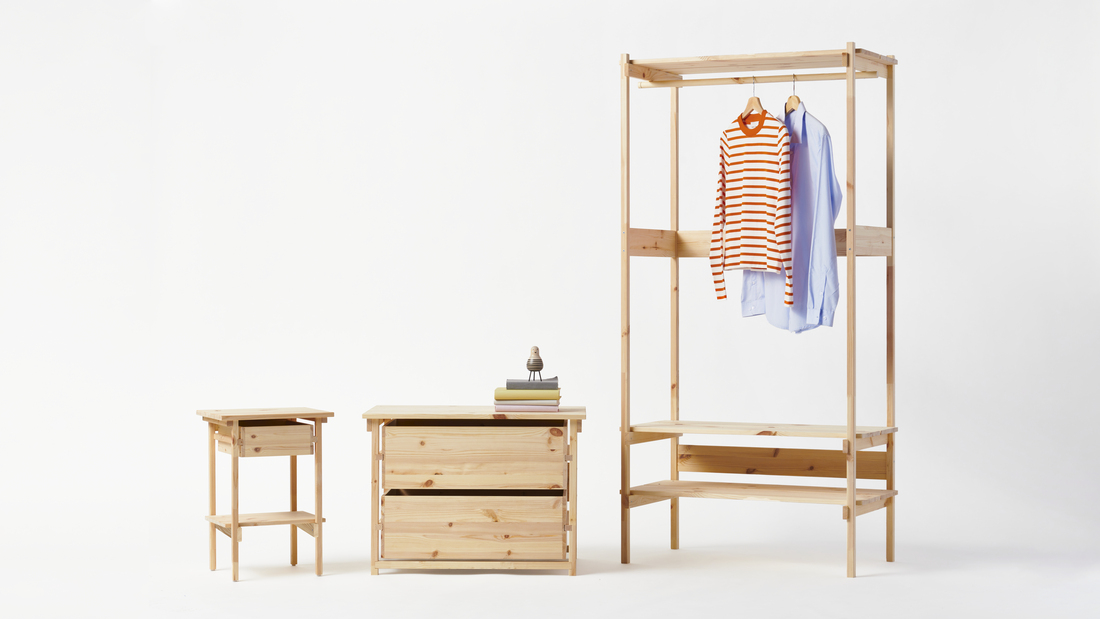
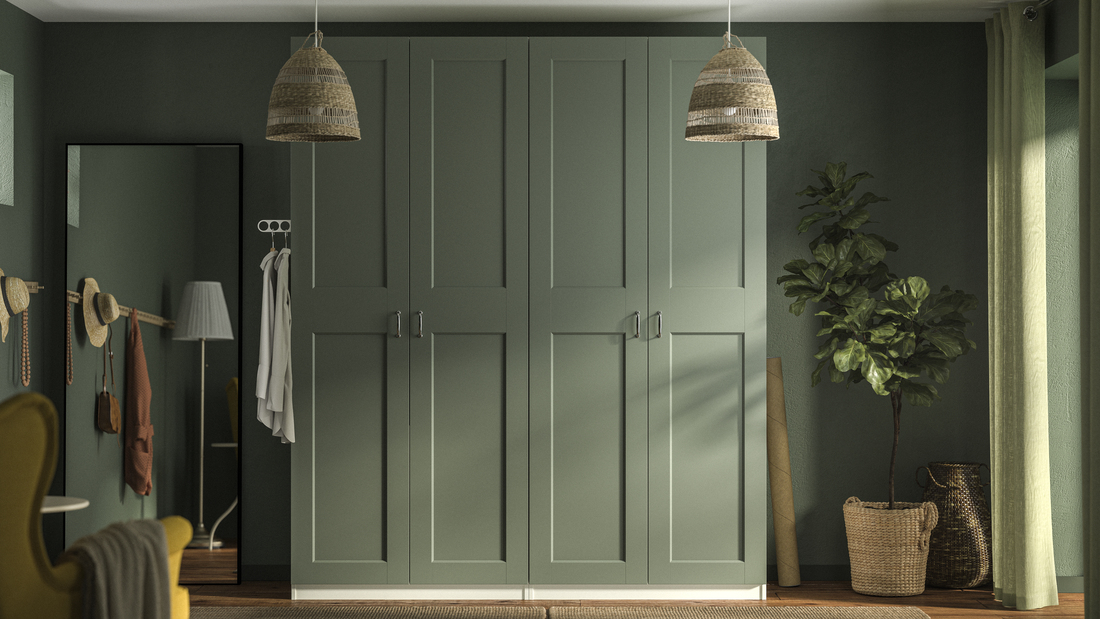
Performing routine maintenance steps can help maintain the durability of furniture and the cleanliness of its contents.
Cleaning the wardrobe from dust and dirt
Dust and dirt that accumulate in the corners of shelves can become an ideal environment for mold spores when exposed to moist air. It is recommended to empty the wardrobe regularly and wipe all surfaces with a clean cloth.
Make sure you reach hinges and the back of shelves that are often overlooked during cleaning. A clean interior helps minimize the risk of unpleasant odors sticking to your clothes.
Ensuring clothes are completely dry before storing
Storing clothes that are still slightly damp after drying or ironing is a common mistake that triggers mold growth. Moisture trapped in fabric fibers creates a very humid environment inside the wardrobe.
Always ensure every piece of clothing is completely dry and cool before folding or hanging it back inside. This simple step is crucial to maintain stable humidity levels inside the wardrobe.
Opening wardrobe doors and improving airflow
Occasionally leaving the wardrobe doors open for several hours can help fresh air circulate inside. Proper airflow will evaporate leftover moisture that may be trapped between stacks of clothing.
You may also use an air conditioner to speed up the drying process around the furniture. Active airflow helps prevent mold spores from sticking and multiplying on wooden surfaces.
Materials and tools for mold prevention
Using the right supporting materials provides extra protection for your wardrobe from mold and unpleasant odors. Here are some options you can use.
Place camphor or mothballs inside the wardrobe
Camphor has a distinctive scent that effectively repels insects while helping reduce humidity in enclosed spaces. You can place it in the corners of shelves or between stacks of clothing to keep the wardrobe fresh.
Choose products that can absorb moisture effectively to optimize their protective function for your furniture. Consistent use of camphor helps prevent musty odors commonly found in poorly ventilated spaces.
Use moisture absorbers: silica gel, charcoal, or a dehumidifier
Silica gel and activated charcoal are natural materials that are excellent at absorbing excess moisture in small spaces. Placing several moisture-absorbing packs on each shelf level helps maintain a dry environment for wooden furniture.
For very humid rooms, you can also use a dehumidifier to regulate moisture levels automatically. This solution provides comprehensive protection for the entire room against mold and bacteria.
Apply alcohol or wood cleaning liquid to the wardrobe surface
Alcohol with a certain concentration can effectively kill mold spores that start growing on wooden surfaces. Wiping the inside of the wardrobe with a cloth dampened with cleaning liquid helps restore the appearance of the furniture while maintaining cleanliness.
Always test the solution on a small hidden area first to avoid damaging the wood varnish layer. With careful maintenance, the wardrobe surface can remain aesthetically pleasing and structurally strong without mold damage.
Wooden wardrobe maintenance for long-term prevention
Providing extra protection for wooden materials is important to ensure durability against changing environmental conditions. Here are some maintenance steps you can take.
Coat the wardrobe with varnish or melamine
Reapplying varnish or melamine periodically helps seal wood pores so moisture cannot easily penetrate the surface. This protective layer keeps the material dry while enhancing the natural wood grain appearance.
Make sure the wardrobe is fully cleaned and dried before applying the coating. With proper protection, the furniture will remain durable even in cooler or more humid rooms.
Install UV or neon lights to reduce humidity
Installing a low-power lamp inside the wardrobe can gradually increase the air temperature and reduce moisture levels. The heat generated by UV or neon lights is effective in preventing mold spores from growing in dark areas.
You can turn on the lamp at certain times, especially during the rainy season when bedroom humidity tends to increase. This preventive step keeps the wardrobe environment stable without requiring complicated daily maintenance.
Use newspaper or plastic liners for wardrobe shelves
Lining shelves with newspaper is a traditional yet effective method because paper can absorb moisture from its surroundings. This additional layer prevents clothing from directly touching wooden surfaces that may hold humidity.
Another option is using plastic liners that are easy to clean and resistant to water. Replace the liner regularly to ensure dirt or mold does not accumulate beneath the protective layer.
Also read: 5+ plastic wardrobe ideas that make your interior stunning
Additional tips to keep your wardrobe fresh
Besides maintaining dryness, adding a pleasant scent can improve comfort when choosing clothes. Here are some additional tips.
Use wardrobe fresheners and natural materials
Fabric-friendly fresheners help neutralize unpleasant odors that appear when wardrobes remain closed for long periods. You can choose floral or woody scents that give clothes a clean and elegant fragrance.
Natural materials such as cedarwood pieces or cinnamon sticks are also excellent options for a unique and long-lasting scent. These non-chemical alternatives are suitable if you are sensitive to artificial fragrances but still want freshness.
Place coffee grounds to remove musty odors
Dried coffee grounds have strong odor-absorbing properties that help eliminate unpleasant smells and moisture in the air. Simply place them in a small open container inside the wardrobe.
Ensure the coffee grounds are completely dry so they do not encourage mold growth. Replace them monthly to maintain their effectiveness in keeping the storage space fresh.
Reduce wardrobe contents and remove unused clothing
Reorganizing and reducing wardrobe capacity helps create better air circulation between stacks of clothing. The more empty space available, the easier it is for air to flow and prevent condensation.
You can separate clothes that are rarely used and store them elsewhere or donate them. A less crowded wardrobe makes cleaning easier and helps maintain overall hygiene.
Protect your clothing collection by caring for your wardrobe