
A refrigerator helps keep food and drinks cold, but spills, food residue, and stains can cause unpleasant odors.
That is why regular cleaning is essential to keep the storage area clean and hygienic. When cleaning your refrigerator, do not focus only on the shelves and drawers. Corners, door shelves, and door seals also need attention, as dirt can easily accumulate in these areas.
With the right cleaning methods, you can thoroughly clean every part of your refrigerator. For more details, read the following guide to cleaning your refrigerator.
Before cleaning, check the manufacturer's care instructions, as cleaning requirements may vary by refrigerator model. Store perishable food in a cooler with ice or gel packs to keep it cold while you clean.
Preparing to clean your refrigerator
Before you begin, prepare the following supplies to make the cleaning process easier:
-
A microfiber cloth or clean cleaning cloth.
-
A non-abrasive sponge and a soft-bristled brush.
-
Water and mild dish soap.
-
A container for holding shelves and drawers.
-
A cooler for temporarily storing food.
Remove all items from the refrigerator, check expiration dates, and discard spoiled food. For a thorough cleaning, turn off the refrigerator according to the manufacturer's instructions, and keep water away from electrical cords and control panels.
How to clean the inside of a refrigerator
Once you have removed the food and prepared your supplies, you can start cleaning the inside of your refrigerator. Follow these steps to clean the interior systematically, from the shelves and drawers to the door seals.
1. Wash the refrigerator shelves and drawers
Remove the shelves, drawers, and door shelves that are designed to be detachable. Wash them with water and mild soap, then gently scrub away stains using a non-abrasive sponge. Avoid rinsing cold glass shelves with hot water, as sudden temperature changes can cause them to crack.
2. Clean the refrigerator walls and corners
Use a damp cloth to wipe the walls, ceiling, floor, and corners of the refrigerator. For dried-on stains, hold a damp cloth against the affected area for a few moments before gently wiping it away. Do not pour water directly into the refrigerator or use sharp objects to scrape off stains.
3. Clean the door seals and dry the interior
Wipe the door seals and their folds with a clean cloth and mild soap. Use a small, soft-bristled brush to reach areas that are difficult to clean. Then wipe the seals again with a clean cloth and dry all surfaces thoroughly before reinstalling the shelves and drawers.
Read also: Tips for storing food ingredients in the fridge properly to keep them fresh and last longer
How to clean the exterior of a refrigerator and the freezer
The exterior of a refrigerator can also collect dust, fingerprints, and stains from everyday kitchen activities. Wipe the doors and handles with a soft cloth suitable for the material.
For digital control panels, follow the manufacturer's instructions and avoid spraying liquids directly onto the surface. Meanwhile, freezer maintenance should depend on the type of refrigerator you have:
-
For freezers with frost buildup: Follow the defrosting procedure in the user manual and use a cloth to collect melting water.
-
For no-frost freezers: Check the manufacturer's instructions before attempting to defrost the freezer manually.
-
For all freezer types: Never chip away at ice with a knife or other sharp object, as this could damage the appliance.
How to eliminate unpleasant odors from a refrigerator
Refrigerator odors are best addressed by cleaning their source rather than simply adding an air freshener. Check for spoiled food, leaking containers, spills, and stains on shelves or door seals. To remove odors and stains, follow these steps:
-
Discard food that is no longer safe to eat.
-
Clean food residue using a mild soapy solution.
-
Wipe the area again with a clean cloth if needed.
-
Dry the cleaned surfaces thoroughly.
-
Use baking soda to absorb odors if appropriate for your needs and in accordance with the manufacturer's instructions.
Tips for keeping your refrigerator hygienic after cleaning
You do not need to empty and deep-clean your entire refrigerator every time to maintain cleanliness. A few simple habits can help prevent dirt from building up again. Follow these tips to keep your refrigerator clean and your food stored properly:
-
Clean up spills immediately: Do not wait for stains to dry or develop unpleasant odors.
-
Use airtight containers: Store food in clean containers and keep raw ingredients separate from ready-to-eat foods.
-
Check the contents regularly: Prioritize food that needs to be used soon and discard anything that has spoiled.
-
Maintain the correct temperature: Keep your refrigerator at around 4°C (40°F) or below and your freezer at around -18°C (0°F).
-
Avoid overfilling the refrigerator: Leave enough space for cold air to circulate.
Read also: 11 Recommendations for Refrigerator Storage Containers to Keep Food Fresh
Recommended tools for cleaning your refrigerator
Cleaning your refrigerator is easier with the right tools. From cleaning cloths to food containers, here are some cleaning product options from IKEA that can help keep your refrigerator clean and organized.
1. TRIXIG cleaning cloth
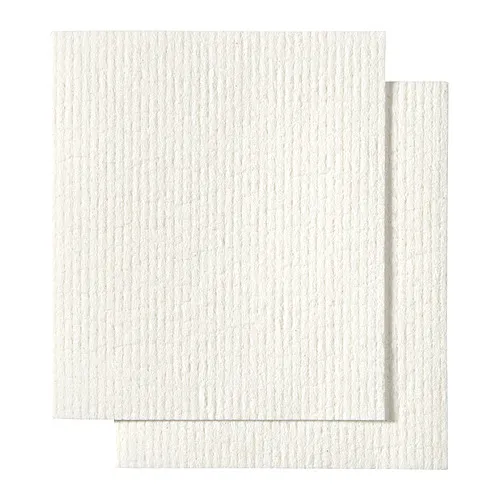
The TRIXIG cleaning cloth is made from a combination of cellulose and cotton, offering good absorbency. It is suitable for wiping refrigerator surfaces, cleaning kitchen countertops, and drying refrigerator components after washing.
2. ANTAGEN dishwashing brush
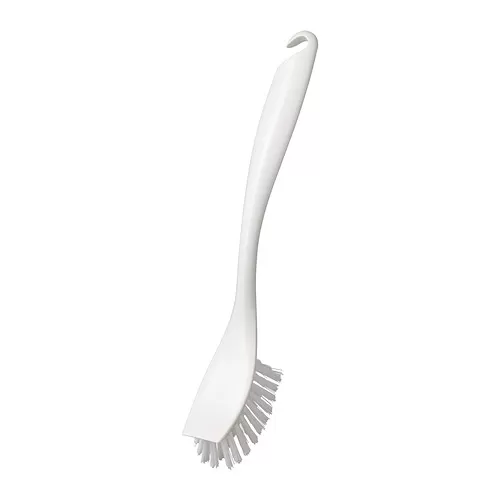
The ANTAGEN dishwashing brush features a scraper edge that helps remove stubborn food residue. Its design supports cleaning hard-to-reach corners and crevices, especially when washing food containers or removable refrigerator components.
3. PEPPRIG scrubbing pad
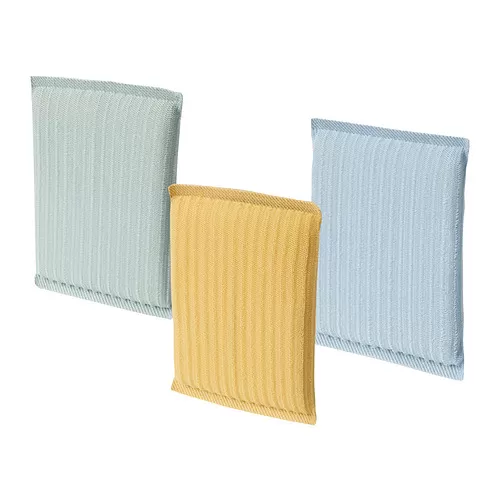
The PEPPRIG scrubbing pad is a practical choice for cleaning refrigerator shelves, drawers, and food containers. It helps remove food residue when washing components with soap and water. Rinse the sponge after use so it is ready for your next cleaning session.
4. PRUTA food container with lid
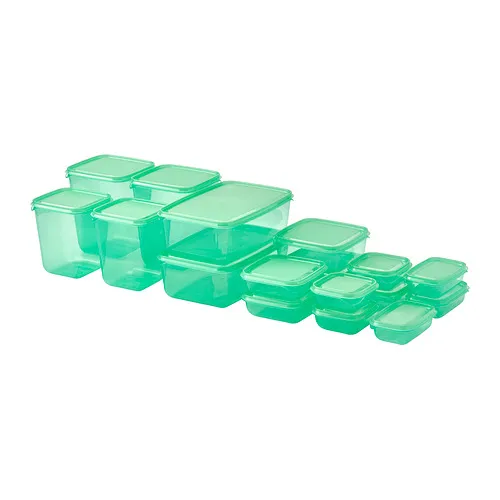
The PRUTA food container with lid includes 17 containers in various sizes, making it easier to organize ingredients and leftovers. The range of sizes allows you to choose containers that suit different types and portions of food.
5. KLIPPKAKTUS storage box for fridge
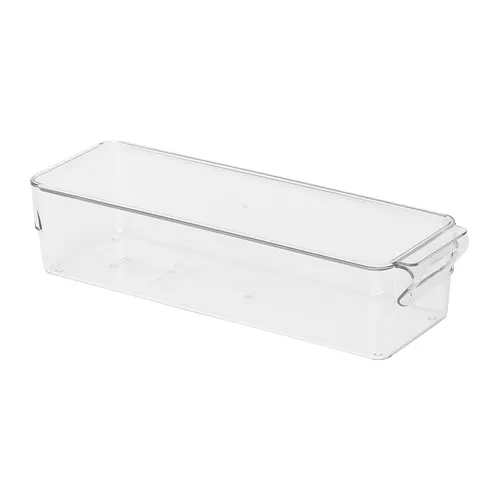
The KLIPPKAKTUS storage box for fridge measures 32 × 10 × 8 cm and has a capacity of 1.6 liters. Made from transparent PET plastic, it comes with a lid to help protect the contents from dust and odors.
Its stackable design also helps you make more efficient use of refrigerator space. Use it to organize fruits, vegetables, drinks, and other food items so that the contents of your refrigerator stay tidy and easy to check.
Keep your refrigerator clean with simple habits
Regular refrigerator cleaning helps maintain a clean and organized food storage area. Simple habits, such as wiping up spills and checking food supplies, can make your refrigerator more convenient to use.
To keep everything organized, use suitable storage containers so ingredients are easier to find and arrange. This also helps you make better use of the available refrigerator space.
Visit IKEA.co.id to explore a range of food storage containers and household essentials that help keep your kitchen neat and practical.
FAQ
Clean up spills immediately and perform a thorough cleaning as needed, following the refrigerator manufacturer's instructions.
Identify the source of the odor, discard spoiled food, clean the affected areas, and dry them thoroughly.
Not always. Check the manufacturer's instructions and never mix vinegar with bleach.
Follow the defrosting instructions for your refrigerator model, and never chip away at ice with sharp objects.
Store perishable food in a cooler with ice or gel packs, and avoid leaving it at room temperature for too long.