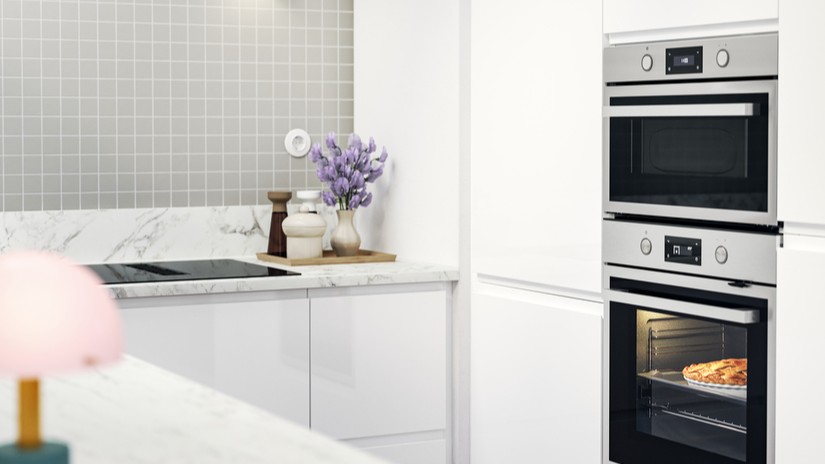
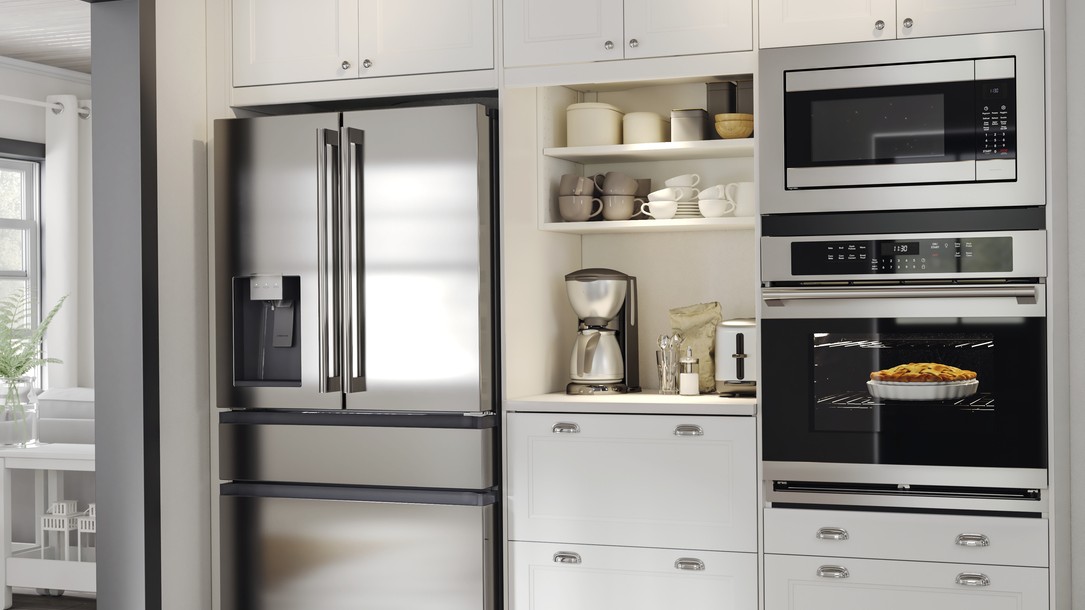
Understanding the characteristics of each oven type can help you determine the right choice. Here are some of the most commonly used types.
Electric ovens for ease of use
Electric ovens use electrical energy as a heat source with precise control. The digital panel on these ovens makes it easy to set the temperature and time accurately.
The heat produced tends to be more evenly distributed throughout the oven cavity. They are well-suited for baking cakes, bread, or dishes that require a stable and consistent temperature.
Power consumption varies, ranging from 400 watts to more than 1200 watts. Make sure your home's electrical capacity is sufficient for safe and optimal use.
Gas ovens for faster heating
Gas ovens rely on the combustion of LPG or natural gas as a heat source. Heating in this type of oven is faster, with direct flames that can be easily adjusted in intensity.
The moisture level produced is slightly higher than that of electric ovens. This makes gas ovens ideal for cooking meat or dishes that require a tender texture.
Long-term energy consumption with this type of oven can be more economical than electricity. However, you will need a proper and safe gas installation for daily use.
Convection ovens with air circulation
Convection ovens are characterized by a fan that circulates hot air inside the oven cavity. This circulation makes heat more even and the baking process more efficient.
They are ideal for those who like to bake several trays at once without worrying about uneven results. Cooking time with this type of oven is also shorter thanks to optimal heat distribution.
These ovens are widely used for baking or for cooking in large quantities. Their time-efficiency advantage makes them a practical choice for large families.
Dehydrators for drying food
A dehydrator is a tool specifically designed to dry food ingredients at low temperatures. This technology preserves nutritional content by removing moisture.
The food-drying process with this tool occurs through the constant, stable circulation of warm air. The results can include fruit chips, dried vegetables, or other healthy snacks.
Unlike a regular oven, a dehydrator operates at low temperatures of around 40 to 70 degrees Celsius. It is suitable for preserving food ingredients without drastically altering their texture or nutritional content.
Choosing the right oven tool for your needs
Several factors should be considered to ensure your oven choice matches your lifestyle. Here are some important points to guide your selection.
Match the size and capacity
The oven size should also be adjusted to your home's available kitchen space. A small oven, around 9 to 20 liters, is suitable for basic needs or limited kitchen space.
An oven with a capacity of 20 to 40 liters is ideal for small to medium-sized families with routine cooking activities. A capacity above 40 liters is suitable for larger needs or households with many members.
Consider power and energy consumption
Electric ovens require varying amounts of electrical power depending on their capacity and features. Make sure the electrical installation in your home is sufficient to avoid disruptions during use.
Choose an oven with efficient energy consumption to reduce your monthly electricity bill. The latest technology usually offers maximum performance while using energy more economically.
Pay attention to materials and durability
Good oven materials can last a long time and are easy to maintain with regular care. Stainless steel or rust-resistant aluminium are popular choices among many users.
The interior of the oven should also be heat-resistant and not prone to chipping or damage. Make sure the oven door closes tightly so that heat does not escape and efficiency is maintained.
Useful additional features
An automatic timer makes it easy to set the cooking time without constant supervision. An interior light lets you monitor food without opening the oven door, which can lower the temperature.
Some ovens come with a rotisserie feature or separate temperature controls for added flexibility. A digital panel with various cooking modes also makes daily use increasingly convenient.
A warranty from a trusted brand provides long-term investment protection. Choose features that you truly need to keep things economical and functional.
Supporting tools for ovens that you should prepare
Getting the most out of your oven also requires having the right supporting tools. Let us discuss the oven accessories that should ideally be available in your kitchen.
Oven mitts for safety
Oven mitts protect your hands from heat when removing baking trays or dishes. Choose ones made from heat-resistant materials that are comfortable to use.
The thick yet flexible material makes it easier to move when handling hot food. This essential piece of equipment helps keep you safe during everyday cooking.
The right baking trays and racks
Ovenware in various sizes helps you cook a wider variety of dishes. Choose items made from non-stick materials for easy cleaning after use.
Additional racks can maximize oven capacity when cooking several dishes at once. Make sure all kitchen tools used are heat-resistant and oven-safe.
Tips for maintaining your oven to keep it in top condition
Regular maintenance can extend your oven's lifespan and keep its performance optimal. The following simple steps can be done at home.
Clean it regularly
Clean food residue and grease after each use to prevent build-up. Use a soft cloth with mild soap to clean both the inside and outside of the oven.
Avoid using overly harsh cleaning agents as they can damage the surface and protective coating. Make sure the oven has cooled before you begin cleaning it to ensure safety and comfort.
Avoid opening the oven door too frequently
Opening the oven door during the baking process can cause the temperature to drop drastically. This makes cooking time longer and the final result less than ideal.
Use the interior light to monitor food progress without disrupting the temperature. Let the process run steadily until the timer sounds or the set time is complete.
Check the key components
Inspect the heating element, thermostat, and timer periodically to ensure everything is working properly. If there is a problem, address it promptly before it worsens and affects oven performance.
A warranty from a trusted brand can be helpful if damage occurs beyond your control. Preventive maintenance is always better than waiting for a complete breakdown.
Read also: A guide to organizing ovens and shelves in your kitchen set
Time to complete your kitchen with the ideal choice