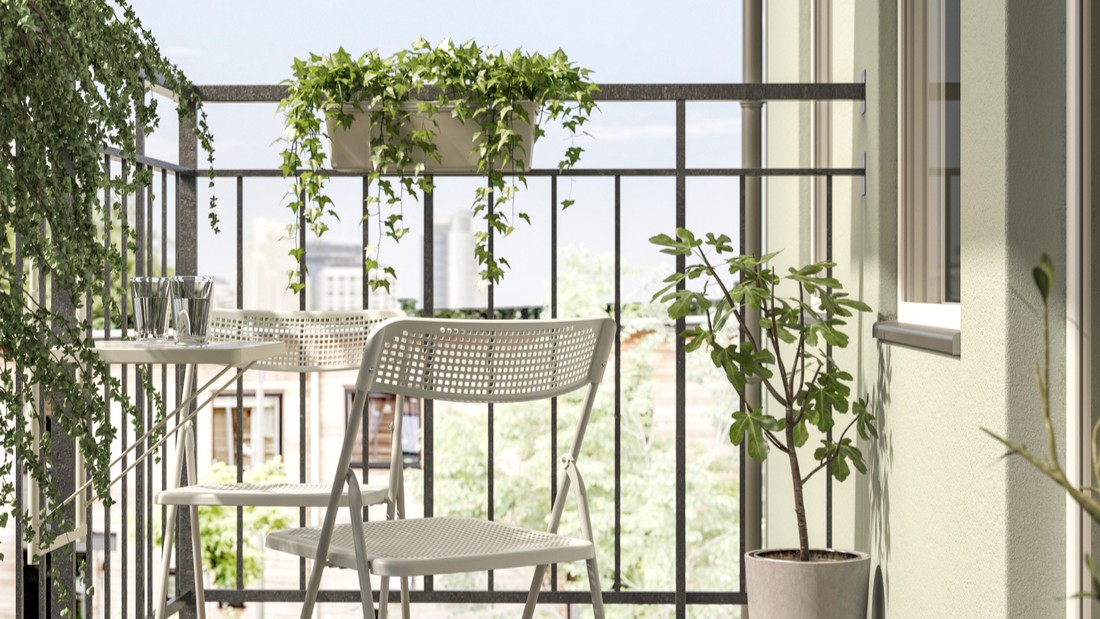
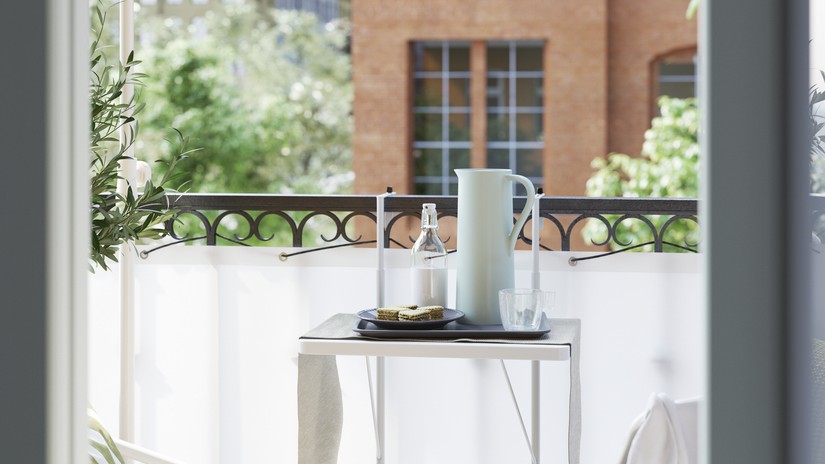
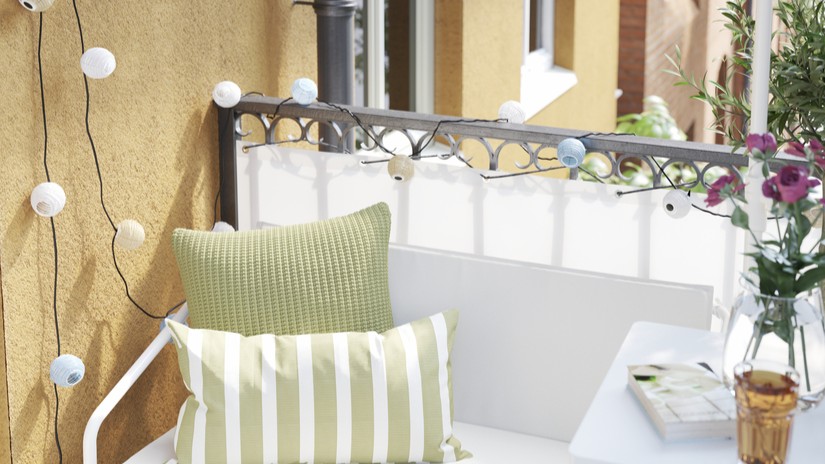
After understanding why hanging plants help cool the home, the next step is choosing the right plant types. This is crucial because outdoor areas have more extreme light exposure compared to indoor spaces. Choosing the wrong plants makes them wilt easily, difficult to maintain, and eventually replaced.
Heat-tolerant plants and shade-loving plants
Every plant has biological characteristics that determine its ability to survive in specific environments. Some types of hanging ornament plants, such as the Grape Cactus or varieties that adapt easily to hot weather, can handle full sun throughout the day.
On the other hand, types such as ferns or softer foliage plants need shade and tolerate only indirect sunlight.
Because the hanging position determines how much light the plant receives, you need to match the installation location with the plant’s characteristics. Sun-exposed balconies are suitable for heat-tolerant hanging plants, while shaded terraces are better for plants that require protection from excessive light.
With this adjustment, the plants grow optimally, do not dry out easily, and you will not have to frequently replace dead plants due to improper placement.
Plant weight and growth rate
Besides light exposure, it is important to consider the plant’s root and stem structure. Plants with dense roots or heavy stems create more load on their pots and hanging hooks. If you choose fast-growing plants that cascade downward, also consider how often you are willing to prune them to maintain a neat shape.
Understanding plant weight and growth ensures installation safety, prevents pots from falling, and keeps the outdoor area aesthetically pleasing since maintenance can be done at the right rhythm.
How to style hanging plants so they look aesthetic
Once you have selected the right hanging ornament plants for your outdoor area, the next step is arranging them. This is where visuals, function, and accessory selection come together. Proper styling not only keeps the plants healthy but also turns your terrace or balcony into a pleasant visual corner.
Playing with height levels and layering
One of the most effective techniques for achieving a professional-looking hanging garden is to play with height levels. Use hanging pots and wall racks at varied heights, for example, by choosing pots with different rope lengths or installing brackets at different levels so the plants do not crowd one focal point.
IKEA offers hanging pots and wall accessories that are easy to install, making layering effortless. The result is a small outdoor area that appears more dynamic and breathable. Your eyes naturally follow the flow of plants from top to bottom, creating a sense of spaciousness and artistry.
Choosing the right and coordinated containers
The visual appeal of a hanging garden is greatly influenced by the design of the pots you use. Materials such as rattan, recycled plastic, or metal each offer a different visual character for your home.
Pot selections from IKEA come with minimalist designs and good drainage systems, making them both beautiful and functional. By using coordinated containers in terms of color, material, or shape, your exterior appearance becomes more polished, modern, and well-curated.
A reliable drainage system also ensures water does not accumulate at the bottom of the pot, keeping plant roots healthy and preventing rot. In the end, your outdoor décor looks tidy and safe for long-term use.
Simple maintenance to keep plants lush