Designing a shared bedroom for two children or furnishing a small room requires careful planning. A girls' bunk bed can make better use of vertical space while leaving more of the floor available for storage, study and play.
The right children's bedroom design involves more than choosing an attractive bed. Room dimensions, children's ages, mattress size, storage needs, study furniture and everyday comfort should all influence the final layout.
With thoughtful planning, a girls' bunk bedroom can feel spacious, functional and personal even when two children share the room.
A bunk bed can be an effective space-saving solution, but the right choice depends on your child's age, bedroom dimensions, ceiling height and the specifications of the individual product. Always check the assembly instructions, guardrails, recommended mattress dimensions and thickness, and age guidance before use. To make the room feel more personal, involve your child when choosing colours, textiles and decorations while keeping the original bed structure and safety features unchanged.
A bunk bed places sleeping areas vertically, making it possible to use the surrounding floor space for other activities.
For a shared bedroom, this can leave additional space for desks, wardrobes, toy storage or a play area. Each child can also personalise her own sleeping zone through bedding, cushions, colours and storage.
In a single child's bedroom, a loft bed can provide a sleeping area above with a desk, storage or another functional zone underneath.
Explore IKEA children's bunk beds to find configurations designed for different room sizes and needs.
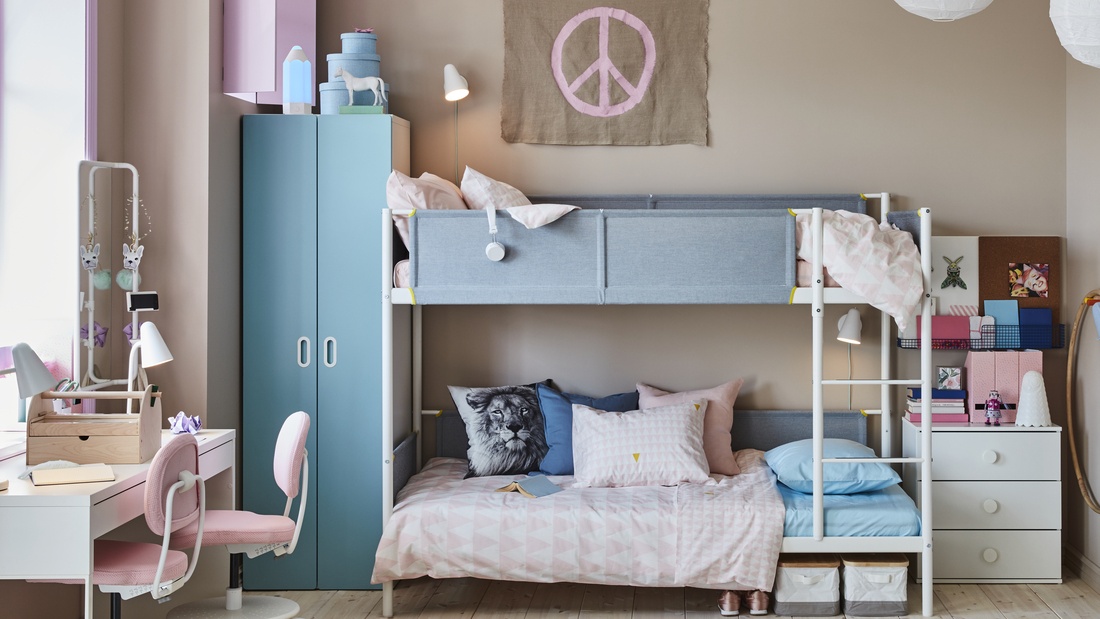
1. A Minimalist Bunk Bedroom with Neutral Colours
A minimalist base can make a children's bedroom easier to update as tastes change.
Use white, cream, beige, light grey or natural timber as the main palette. These colours create a calm foundation that can be personalised with bedding, cushions, rugs, wall decoration or favourite toys.
Neutral furniture is particularly useful as children grow older. Instead of replacing large pieces, you can refresh the room by changing textiles and smaller decorative details.
The result can feel calm and timeless while still leaving plenty of room for individual character.
2. A Cheerful Pastel Bunk Room
Pastel colours such as soft pink, lavender, peach, sage and light blue can introduce a playful atmosphere without overwhelming the room.
A girl's bedroom does not need to be entirely pink to feel cheerful or personal. Use one or two pastel colours as accents and balance them with white, beige or soft grey.
For example, a white bunk bed can be paired with pink bedding, grey cushions and a cream rug.
Whenever possible, involve children in choosing their preferred colours. This helps create a bedroom that reflects their actual personality rather than relying on a fixed decorative theme.
3. Bunk Beds with Storage for a Small Bedroom
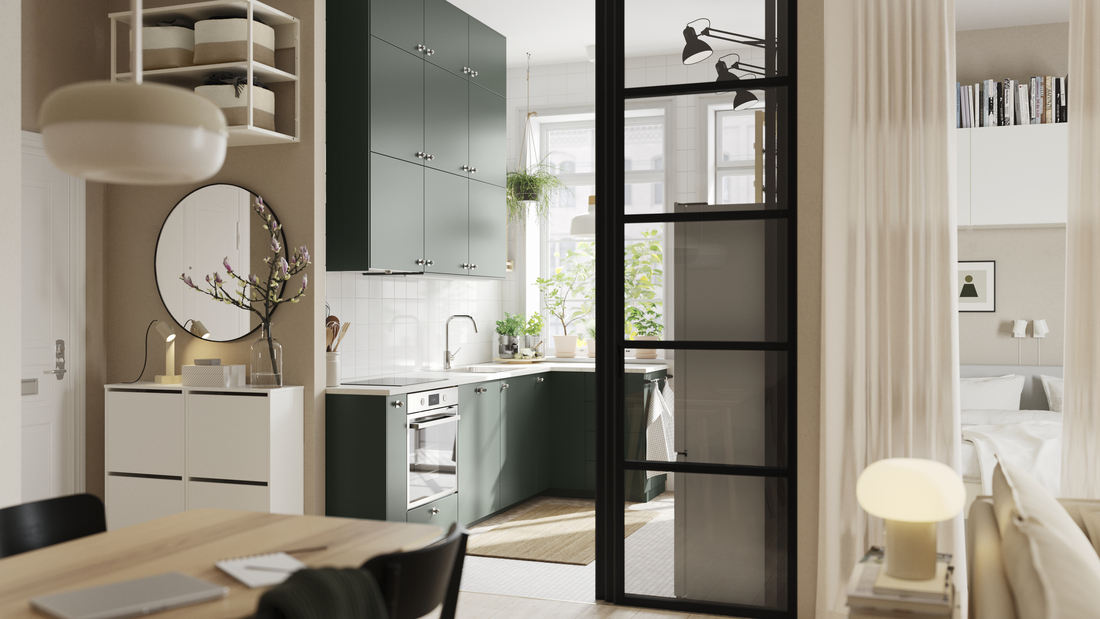
Children's rooms quickly accumulate clothes, books, toys, dolls and school supplies, so storage should be part of the overall design.
Use children's storage furniture, wall shelving, drawers and boxes to organise different types of belongings.
Keep frequently used toys within easy reach while placing less frequently used items higher up.
A compact wardrobe can also make use of a corner without blocking circulation.
Combining bunk beds with vertical storage helps preserve more of the floor for play and movement while making it easier for children to keep the room organised.
4. A Loft Bed with a Study Area Underneath
For a bedroom used by one child, a loft bed can combine sleeping and studying within the same vertical footprint.
The space underneath the mattress can become a desk area with a chair, books and school storage.
This multifunctional arrangement is especially useful in a compact bedroom because it creates separate zones without requiring a larger floor area.
Make sure the study area has sufficient lighting and enough space for the child to sit comfortably.
A well-planned loft-bed arrangement can give sleeping, studying and storage clearly defined places within one room.
5. A Shared Bunk Room with a Personal Zone for Each Sister
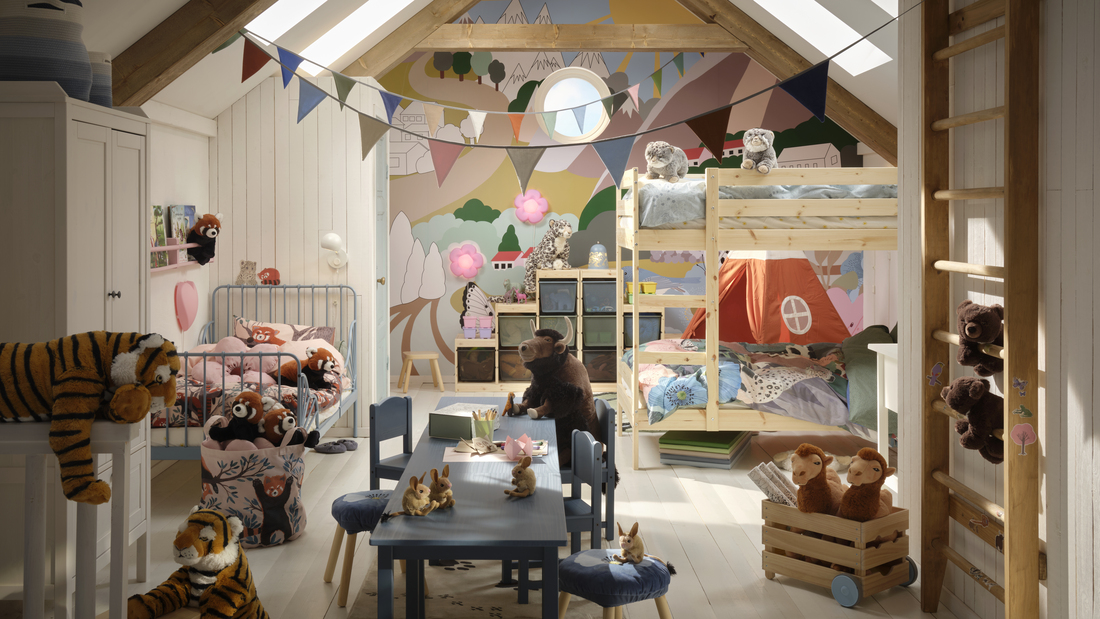
Two sisters can share one bedroom without having identical decoration.
Choose a neutral base for the main furniture, then give each child a different accent colour. One sleeping area might use lavender bedding, for example, while the other uses sage, blue or soft pink.
Provide personal storage boxes, a small display shelf or space for each child's favourite books, toys or artwork.
These details help children express their individuality while keeping the room visually coordinated.
Related read: A shared bedroom that supports individual expression for more ideas on planning a room around two children's needs.
6. A Natural Bedroom with Timber and Soft Textiles
A girls' bedroom does not have to rely on bright colours.
Natural timber, white, cream, muted green, beige and light grey can create a warm and relaxing atmosphere. Add softness through bedding, cushions, curtains and rugs.
This approach is particularly flexible because the main furniture can stay relevant as children grow.
When preferences change, replace the bedding, artwork or decorative accessories rather than redesigning the whole room.
Natural materials and a restrained palette also work well for children who prefer a calmer, less themed bedroom.
7. A Creative Bedroom with Space to Play and Make Things
One advantage of using vertical sleeping space is that more of the floor can remain available for play and creativity.
Create a small drawing table, toy-storage area, play rug or display wall for artwork. Themes such as a tree house, fairytale world or nature-inspired room can be expressed through wall stickers, bedding and decorative details.
A freestanding play tent can also create a special corner if there is enough safe floor space.
Avoid attaching ropes, fabric or additional accessories directly to the bunk-bed structure unless the product is specifically designed for them. Keep imaginative decoration around the furniture while leaving the original safety features unchanged.
8. A Minimalist Bunk Room That Can Grow into the Teen Years
Children's tastes change quickly, so choosing simple furniture can help the room adapt over time.
Use white, grey, natural timber and muted colours as a flexible base. Reduce heavily themed decoration and introduce personality through artwork, bedding, cushions, rugs and lighting instead.
As children get older, priorities may shift towards a larger study area, wardrobe, reading light and closed storage.
A more timeless design allows the bedroom to evolve without requiring all of the furniture to be replaced.
How to Choose the Right Children's Bunk Bed
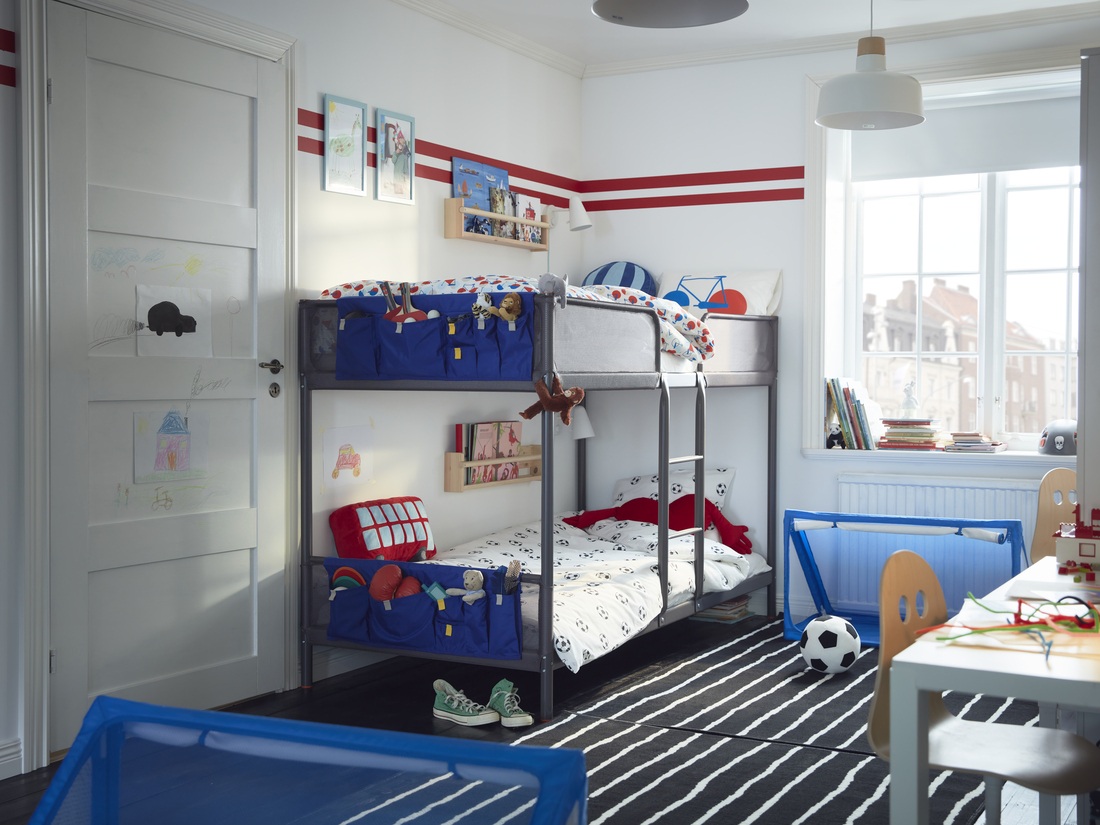
Start by deciding how the room needs to function.
A bunk bed generally provides two stacked sleeping areas and is useful for siblings sharing a bedroom. A loft bed raises a single bed and leaves functional space underneath for studying, storage or other activities.
Measure more than the floor dimensions. Check the ceiling height, position of windows and doors, ladder clearance and available circulation space.
The mattress also needs to match the bed frame. Always follow the mattress dimensions and maximum thickness specified for the individual product, particularly for the upper sleeping area.
These specifications help ensure that built-in guardrails continue to function as intended.
Bunk Bed Safety for Children
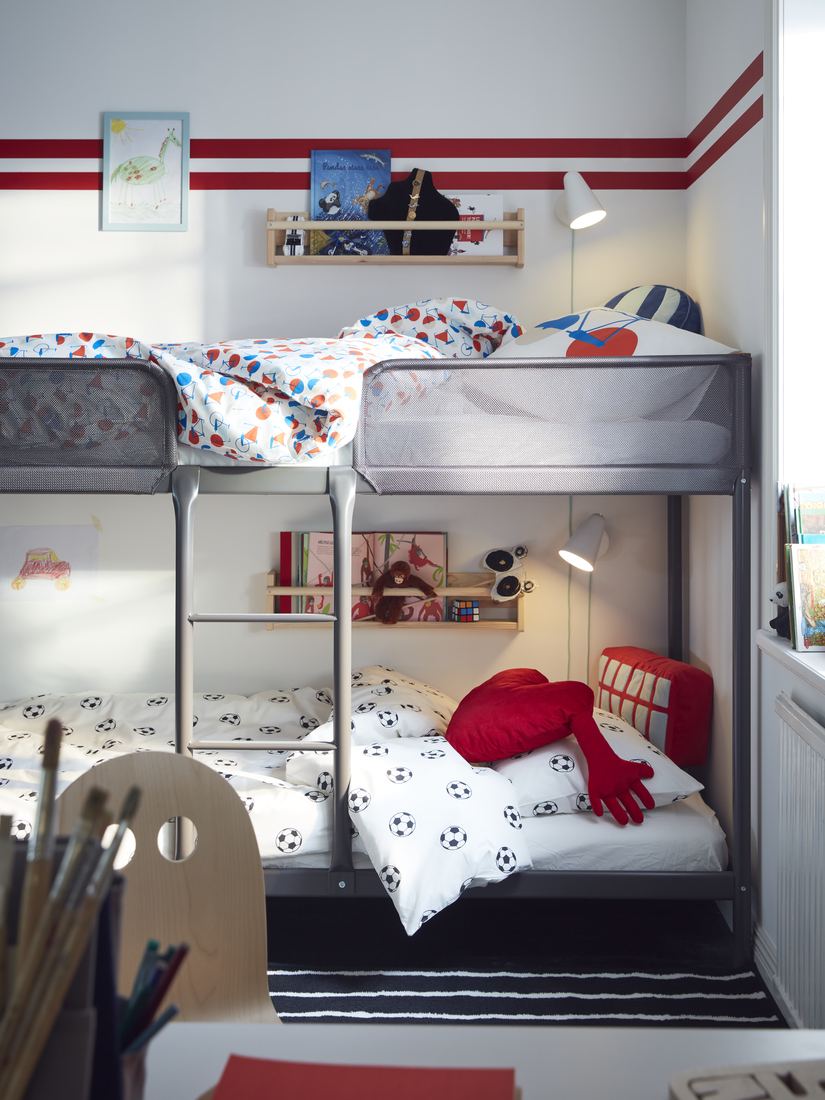
Safety should be a central consideration when choosing any bunk or loft bed.
Assemble the furniture according to its instructions and check that all connections remain stable. Use the original ladder, guardrails and components as designed.
Do not attach ropes, straps or other hanging objects to the bed frame unless the product has specifically been designed for that purpose.
Age guidance is also important. For several IKEA bunk and loft beds, the upper sleeping area is recommended for children aged six and above. Always check the instructions for the individual model because age guidance, mattress dimensions and maximum mattress thickness can vary.
Inspect the bed periodically, particularly when it is used every day.
Related read: Minimalist bunk bed design inspiration for your kids' bedroom for additional ideas on making better use of a compact room.
Complete the Bedroom with Lighting, Storage and Decoration
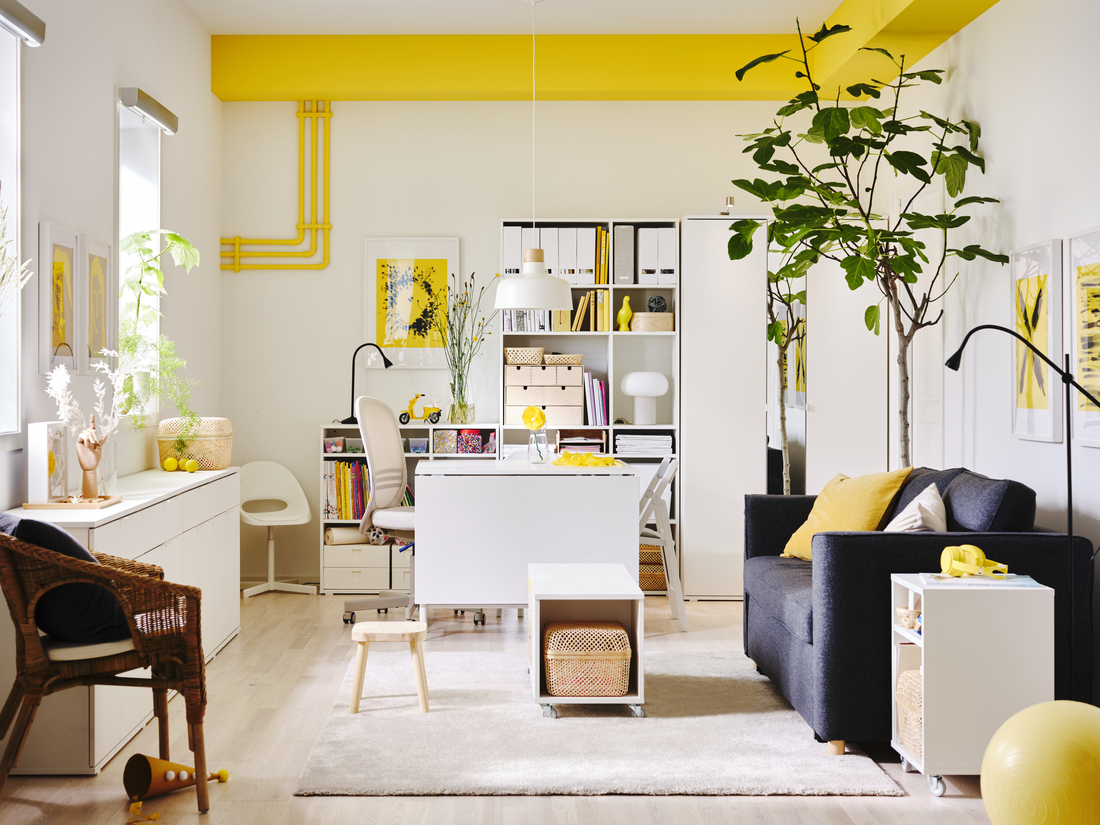
Lighting can influence both the comfort and function of a child's bedroom.
Maximise natural light during the day, then provide general lighting as well as task lighting for studying or reading.
Add curtains, rugs, bedding, cushions and wall decoration to make the space feel more personal.
These smaller elements are also easier to change as children's favourite colours and themes evolve.
Explore IKEA children's furniture and children's storage furniture to build a room that supports sleeping, studying, playing and organising belongings.
Create a Comfortable Girls' Bunk Room with IKEA
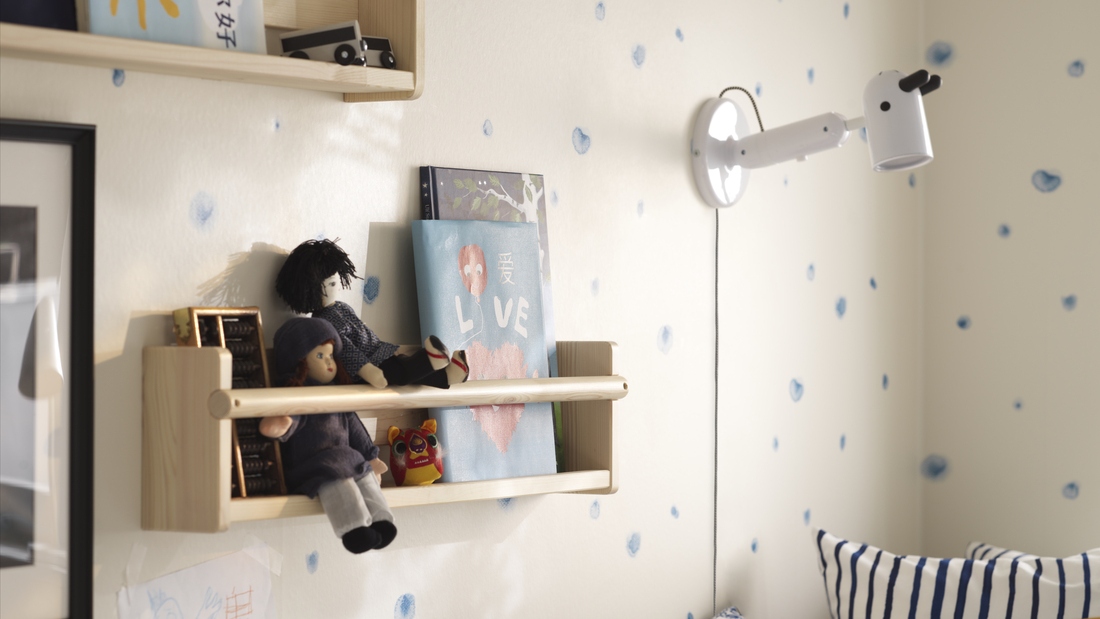
Creating a comfortable children's room starts with choosing furniture around the available space and everyday activities.
Explore IKEA children's bunk beds to make better use of vertical space, then combine them with children's furniture and children's storage furniture for sleeping, studying, play and organisation.
Complete the bedroom with bedding, rugs, cushions and decorations that reflect each child's personality. Always check the dimensions, mattress requirements and safety instructions for the individual bed before making your final choice.
Related read: Designing a kids' room with practical solutions for sleeping and storage.
FAQ About Girls' Bunk Bedrooms
Yes. Bunk beds can make better use of vertical space, but the bed dimensions, ceiling height, ladder access and circulation around the furniture must suit the room.
For several IKEA bunk and loft beds, the upper sleeping area is recommended for children aged six and above. Always check the instructions for the specific model because guidance can differ.
A bunk bed typically has two stacked sleeping areas. A loft bed usually provides one upper sleeping area with usable space beneath it for a desk, storage or another activity.
Consider each child's age, sleeping habits, storage needs, study requirements and colour preferences. Keep the main furniture coordinated while giving each child a few personal details or storage areas.
Choose appropriately scaled furniture, use vertical storage, maintain clear circulation and introduce light or neutral colours. Good lighting and an uncluttered floor can also help the room feel more open.
No. Choose colours based on the child's preferences. White, beige, grey, blue, green, natural timber and pastel combinations can all create a comfortable and attractive bedroom.
Use the mattress dimensions and maximum thickness specified for the individual bed frame. This is especially important for the upper bunk so the guardrail remains at the intended effective height.