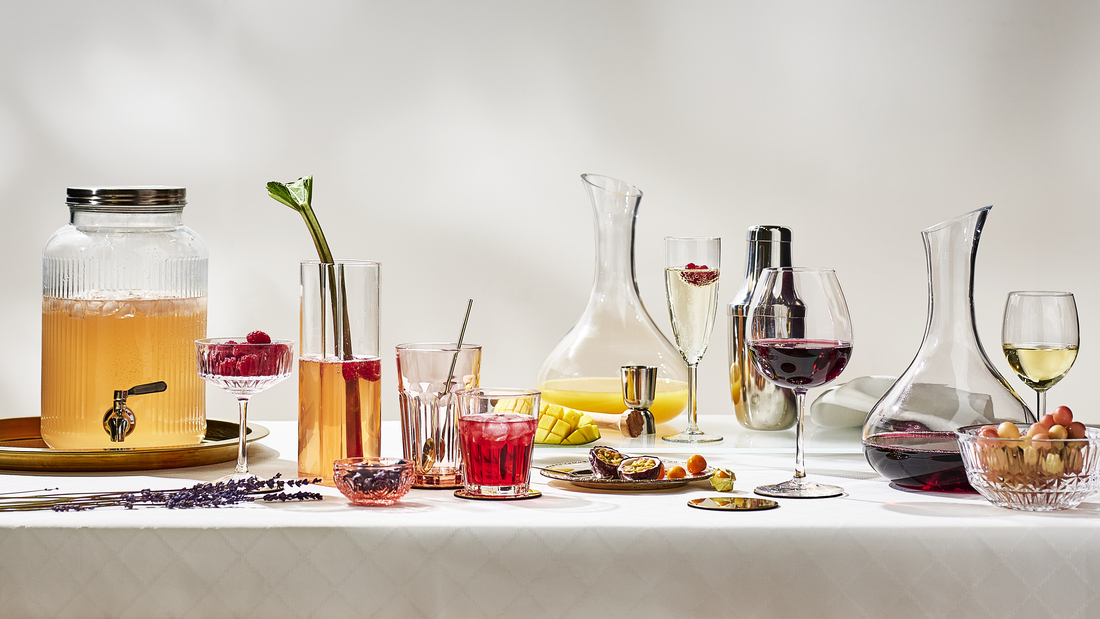
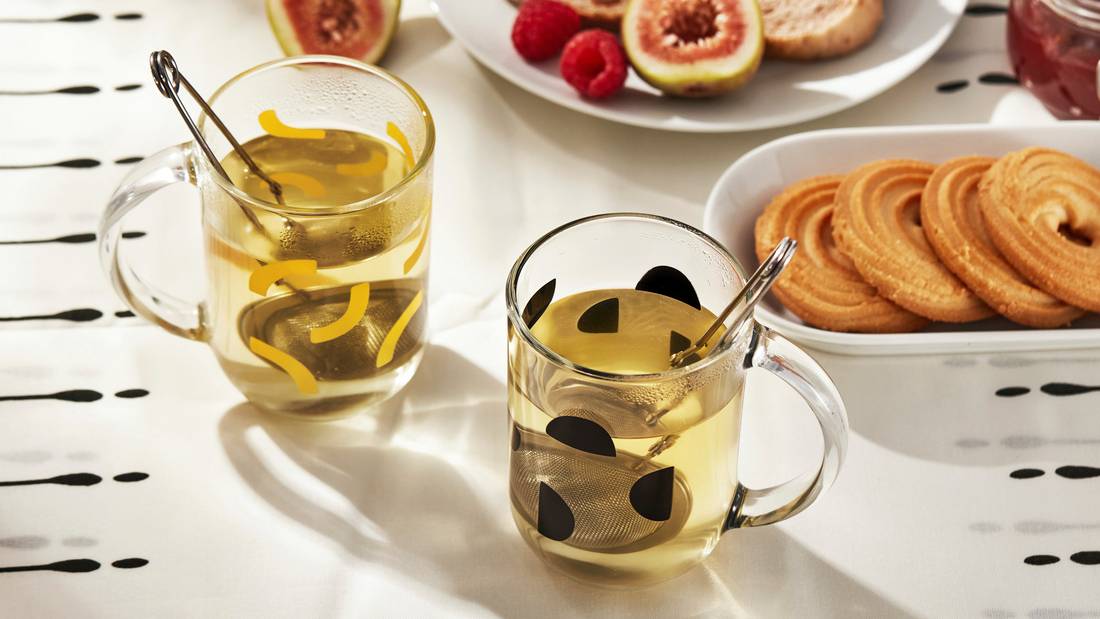
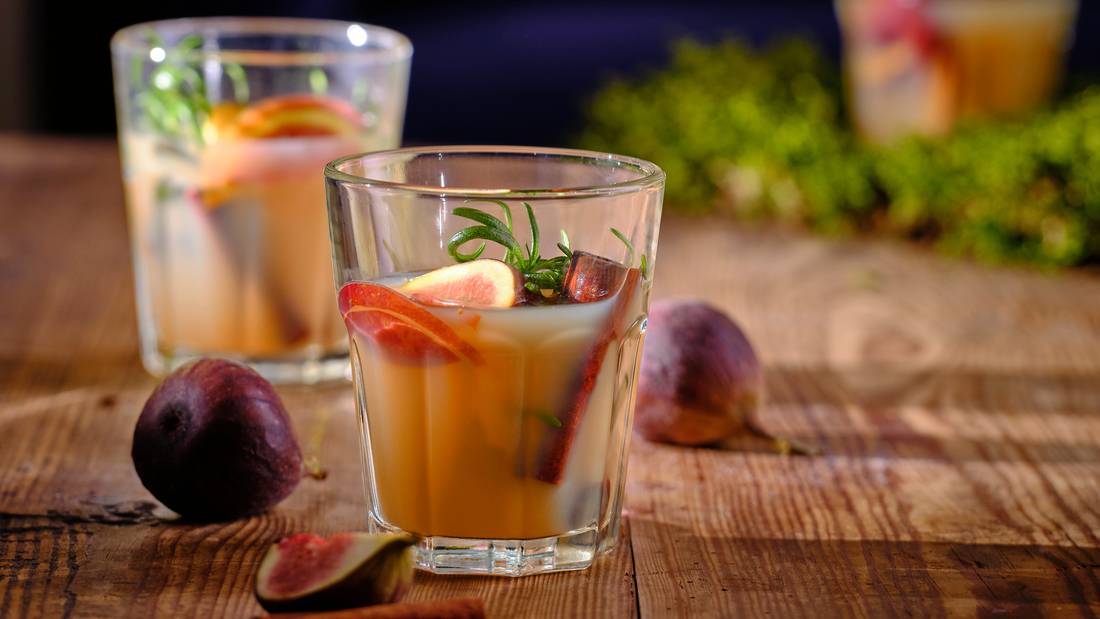
A glass is typically made from heat-treated glass to ensure durability and safety. Generally, a glass is a handleless drinking vessel, often transparent, and used for cold drinks or liquids that are not too hot.
In contrast, a cup typically features a small handle on the side, designed to help hold hot beverages like tea or coffee. Cups are commonly used for hot drinks due to their bowl-like shape and often come with a saucer as a complement.
Although both serve as drink containers, the main differences lie in their usage and design. Glasses emphasize simplicity and practicality, while cups focus on comfort and warmth for serving hot drinks.
What are the functional differences between glasses and cups?
Functionally, glasses and cups differ primarily in the type of beverages they are designed to hold. Glasses are suitable for cold drinks like water, juice, soda, or iced tea. Since they lack a handle, glasses are best suited for liquids that are not hot.
They’re often made from clear glass or plastic, allowing users to see the contents directly. On the other hand, cups are specially designed for hot drinks such as morning coffee or a warm cup of tea in the afternoon.
The handle on a cup is a crucial feature that allows the user to hold it without burning their hand. Cups offer comfort and help retain heat longer thanks to their shape and ergonomic design.
In essence, form follows function: cups prioritize comfort and safety when handling heat, while glasses are all about simplicity and versatility for a wider range of beverages.
What materials are used for glasses and cups?
Glasses are typically made from tempered glass, which is durable and safe for daily use. Some glasses are also made from clear plastic, which is lighter and ideal for outdoor use or for children. Glass is known for its excellent ability to retain cold temperatures.
Cups, on the other hand, are usually made from ceramic, porcelain, or stoneware, clay-based materials fired at high temperatures. These materials make cups more resistant to heat, making them ideal for serving hot tea or coffee.
Material affects durability and heat retention: glasses are great for quickly consumed cold drinks, while cups with their thicker walls and ergonomic handles are designed for comfort and safety while enjoying hot beverages.
IKEA offers a wide variety of products, from elegant glassware to simple ceramic cups that are heat-resistant and suitable as souvenirs or part of your drinkware collection.
Do design and shape affect the function of glasses and cups?
Yes, design and shape play a vital role in distinguishing glasses from cups in terms of both function and appearance. Glasses are often slim and tall, or follow the modern, practical tumbler style. This design supports a quick and efficient drinking experience, ideal for cold water, juice, or soft drinks.
Cups, however, are usually rounder with a wider opening, allowing hot steam to rise and aromas of tea or coffee to spread. The small handle lets users hold the cup without feeling the heat, offering a more relaxed drinking experience.
Glasses are perfect for cold drinks enjoyed quickly, while cups enhance the experience of sipping warm drinks slowly. Aesthetics also play a role, many people choose glasses or cups not only for function but also for their appearance, thickness, and unique shapes.
At IKEA, you can find both modern and classic designs for glasses and cups that are not only functional but also add beauty to your dining table.
Are there cultural or traditional differences in how glasses and cups are used?
Culture and tradition significantly influence how we choose between glasses and cups even in everyday contexts. In some cultures, tea cups are integral to tea ceremonies, such as in Japanese, English, or Middle Eastern traditions.
In such cases, the cup is not just a vessel but a symbol of hospitality, elegance, and serenity. The bowl-like shape with a handle is often part of the aesthetic in traditional presentations.
Conversely, the use of glasses for water or juice is more universal, found in nearly every culture as the go-to choice for everyday beverages. In Western countries, clear glasses are used for serving cold drinks during meals, while in many Asian cultures, glasses are also used to serve iced tea.
Tradition influences the type of container used for specific drinks. For instance, Western cultures have the shot glass for small servings of alcohol, while Eastern cultures use small, handleless cups for sake or tea.
Even in modern settings, the difference between custom mugs and glassware can reflect personal expression or cultural identity.
When is the best time to use a glass and when should you choose a cup?