Confused about the difference between curtains and blinds for your home’s window coverings? Although they may look similar, both have distinct differences in terms of materials, functionality, and the interior appearance they create.
The difference between curtains and blinds can affect the atmosphere, comfort, and overall interior impression of a room. Choosing the wrong window covering may make a space feel less comfortable or unsuitable for your interior design concept.
Through this article, you will find a complete explanation of the differences between curtains and blinds so you can choose the window covering that best suits your needs and home interior style.
What Are Curtains and Blinds?
Curtains and blinds are window coverings designed to regulate light, maintain privacy, and enhance the appearance of a room. Although they serve similar functions, each has its own unique characteristics.
Curtains are generally made of fabric, offering a soft and decorative appearance, while blinds use materials such as PVC or aluminum with a more modern and minimalist design.
Today, curtains and blinds are widely used in various types of residences, ranging from houses to modern apartments.
In addition to helping regulate natural lighting, choosing the right window covering can also make your interior feel more comfortable, organized, and aesthetically pleasing according to your home's style.
Understanding the differences between curtains and blinds can help you choose the right window covering while maintaining privacy, controlling natural light, and enhancing the overall appearance of your home interior.
5 Differences Between Curtains and Blinds You Should Know
Before making a choice, it is important to understand the key aspects that distinguish curtains from blinds.
Each type of window covering has its own characteristics that can affect comfort, aesthetics, and daily maintenance in your home. Here are some of the main differences.
1. Difference in Materials and Textures
Material is one of the most noticeable differences between curtains and blinds. Curtains use fabric with a soft and flexible texture, while blinds are made from sturdier materials such as PVC, aluminum, or synthetic wood.
Some characteristics of these materials include:
-
Curtains create a warm and decorative feel, while blinds offer a more modern and minimalist appearance.
-
Curtains come in a wide variety of patterns and curtain styles, while blinds are more resistant to humidity and heat.
-
Fabric curtains create a cozier interior atmosphere, while blinds are suitable for areas that are prone to moisture.
If you want to create a classic atmosphere with warmer décor, curtains can be an ideal choice. However, if you prefer a clean and neat look, blinds are a better option.
2. Method of Use and Mechanism
In addition to materials, the operating mechanism is another key difference between curtains and blinds. Curtains are typically opened by sliding them to the side by hand or using tiebacks.
Meanwhile, blinds offer a wider variety of systems, including roller, pull, tilt, and motorized options, making light control more practical and modern. Some of the differences include:
-
Curtains: simpler and easier for everyday use, as they only need to be pulled to the side by hand or secured with tiebacks.
-
Blinds: provide more precise light control through pull, tilt, or roller systems.
-
Roller blinds: easy to raise and lower, making them practical for adjusting light intensity.
-
Vertical blinds: suitable for large windows or glass panels because they can be opened and closed neatly in a vertical direction.
-
Blinds: flexible to install on various window sizes, making them suitable for modern minimalist interiors.
These mechanisms make blinds more practical for modern needs, especially in rooms that require quick and flexible lighting adjustments.
3. Light Control and Privacy
When choosing window coverings, the ability to control light and maintain privacy is certainly an important consideration. This is where the differences between curtains and blinds become quite noticeable.
Blackout curtains and thick curtains provide maximum privacy because they completely cover the window. Blinds, on the other hand, allow light to enter without requiring the entire window covering to be opened.
Some advantages of each include:
-
Curtains: ideal for creating a quieter and more comfortable atmosphere because they cover the window area more completely.
-
Blackout curtains: effectively reduce incoming light, making them suitable for bedrooms or relaxation spaces.
-
Blinds: make it easier to regulate light throughout the day because the opening can be adjusted as needed.
-
Vertical blinds: suitable for flexible lighting control because the slats can be adjusted according to the direction of the light.
-
Roller blinds: help maintain privacy without making the room completely dark because they can be partially opened.
For this reason, the choice should be adjusted to the room’s function. Bedrooms are generally better suited for blackout curtains, while home offices often benefit from blinds that provide more stable lighting.
4. Impact on Interior Design
Window coverings not only serve a practical function but also influence the overall interior décor of a home. Curtains and blinds can create very different impressions within a room.
-
Curtains: create an elegant and warm atmosphere thanks to their soft fabric materials.
-
Blinds: offer a more modern and minimalist appearance with a clean and simple design.
-
Blinds: ideal for apartments and compact homes because they do not take up much space.
-
Roman blinds: suitable for a modern decorative look because their folded design appears aesthetically pleasing.
-
Sheer curtains: help interiors feel lighter by allowing natural light to enter the room.
This design choice should be adjusted to your home’s interior style so that the overall appearance feels more harmonious and visually appealing.
5. Maintenance and Everyday Practicality
In addition to aesthetics, maintenance is another important factor to consider before purchasing window coverings.
Here are the differences in terms of maintenance:
-
Curtains: need to be washed regularly because fabric materials absorb dust and dirt more easily.
-
Blinds: only need to be wiped clean, making them more practical for everyday maintenance.
-
Blind materials: are generally more resistant to moisture because they are commonly made from PVC or aluminum.
-
Fabric curtains: require extra care because they need to be removed and washed to stay clean.
-
PVC and aluminum blinds: are easier to clean because their surfaces do not easily absorb dust or stains.
If you have a busy lifestyle and want a practical window covering solution, blinds can be a more efficient choice for everyday use.
Ultimately, the difference between curtains and blinds is not about which one is better, but rather about the needs and comfort preferences of each user.
Read More: Beautiful and luxurious curtain models for an elegant look
Recommended curtains and blinds for various needs
After understanding the differences between curtains and blinds, the next step is choosing products that suit your home's needs. Certain types of curtains and blinds have specific characteristics, ranging from blackout capabilities and ease of maintenance to decorative appearances that complement modern interiors.
1. LENDA
If you enjoy a warm and natural home atmosphere, LENDA can be a suitable curtain option for everyday use. LENDA comes in a 140x250 cm size, making it suitable for medium to tall windows. Its flowing length helps create the illusion of higher ceilings and makes the room feel more spacious.
Some of LENDA's advantages include:
-
Made from soft 100% cotton fabric
-
Helps dim sunlight and reduce glare
-
Header tape design creates neat curtain pleats
-
Easy to wash in a washing machine
-
Suitable for pairing with additional blackout curtains
With its lightweight yet comfortable sheer curtain character, LENDA is ideal for living rooms, family rooms, and dining areas, allowing the space to feel brighter while maintaining comfortable privacy.
2. BENGTA
If you need a window covering with maximum blackout performance, BENGTA can be the ideal solution for bedrooms and multimedia rooms. BENGTA measures 210x250 cm, making it suitable for large windows and high-ceiling areas. Its wide dimensions help cover windows completely, preventing outside light from entering the room easily.
BENGTA's advantages include:
-
Blocks light and glare effectively
-
Provides complete privacy day and night
-
Made from recycled polyester
-
Easy to maintain and resistant to fading
-
Can be cut to the required length without sewing
The blackout curtain characteristics of BENGTA make it suitable for master bedrooms, TV rooms, and workspaces that require privacy and better focus.
3. VECKLARFLY
VECKLARFLY is a Venetian blind option that is ideal for those who want a more minimalist and modern home appearance. This blind measures 80x155 cm, making it suitable for standard-sized windows in living rooms, home offices, and kitchens.
Some of VECKLARFLY's key features include:
-
Made from lightweight and durable aluminum
-
Easy to raise and lower with a push-pull system
-
Allows flexible light control
-
Safe to use with no dangling cords
-
Easy to clean with a damp cloth
With its clean and modern appearance, VECKLARFLY is suitable for minimalist homes and apartments with compact interior concepts.
4. HORNVALLMO
For those who want a blind with a flexible system and easy installation, HORNVALLMO can be an attractive option. HORNVALLMO measures 100x130 cm, making it suitable for small to medium-sized windows. Its size is ideal for areas that require natural lighting.
Some of HORNVALLMO's advantages include:
-
Can be opened from both the top and bottom
-
Helps filter sunlight and reduce glare
-
Can be installed without drilling
-
Easy to adjust to window dimensions
-
Made from recycled polyester
Its simple design makes HORNVALLMO suitable for both modern and Scandinavian-style interiors.
5. TRIPPEVALS
TRIPPEVALS is a modern blind option that is ideal for those who prioritize comfort and maximum privacy indoors. This product measures 60x195 cm, making it ideal for vertical windows in bedrooms and workspaces.
Some of TRIPPEVALS's advantages include:
-
Blocks light effectively
-
Helps maintain a more stable room temperature
-
Features a honeycomb structure for air insulation
-
Safe for homes with children
-
Can be installed on walls or ceilings
In addition to helping improve rest quality, the modern appearance of TRIPPEVALS makes interiors look cleaner and more organized.
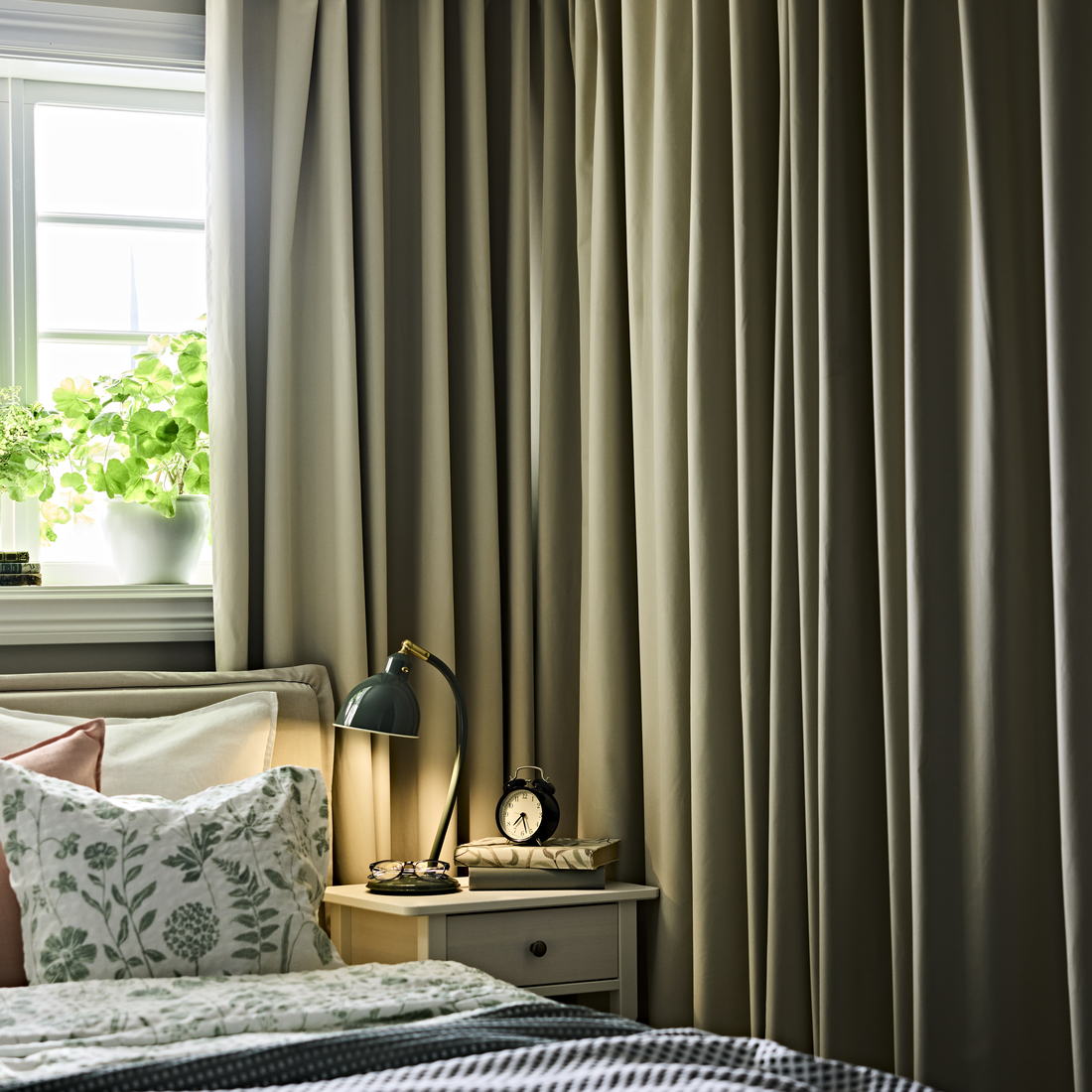
Tips for choosing the right window covering
When selecting curtains or blinds, you should consider not only appearance but also the function and needs of the room.
With the right choice, your home can feel more comfortable, aesthetically pleasing, and supportive of daily activities. Here are some tips to consider:
-
Measure your windows accurately before purchasing
-
Match the material to the room conditions
-
Choose patterns and colors that complement the interior décor
-
Consider the level of privacy required
-
Prioritize products that are easy to clean
-
Adjust your choice according to your budget and usage needs
-
Combine curtains and blinds for greater flexibility
In addition, it is important to consider the direction of natural light entering each room. Areas that receive direct sunlight typically require materials that can effectively reduce heat and glare.
Meanwhile, family rooms and living rooms can use sheer curtains or lightweight curtains to allow natural light in while keeping the space bright and welcoming.
Read also: 5 types of window curtains you should know
Create a more comfortable space with the right window covering
Understanding the differences between curtains and blinds can help you determine the window covering that best suits your everyday household needs.
From fabric curtains with a warm and decorative feel to modern blinds with more flexible light control, each option offers its own advantages for creating a comfortable and aesthetically pleasing space.
Discover a wide range of modern curtains and blinds for living rooms, bedrooms, and workspaces at IKEA. You can also find various curtain designs in different sizes and materials to suit your home's needs.
With the right choice, your home's interior can feel more comfortable, attractive, and functional for everyday use.
Frequently asked questions about the differences between curtains and blinds
The difference between curtains and blinds lies in their materials, appearance, and functionality.
Curtains use flexible and decorative fabric materials, while blinds use more rigid materials such as PVC or aluminum with a more precise light-control system.
Yes, blinds are suitable for bedrooms, especially blackout blinds such as roller blinds or cellular blinds. These types help maintain privacy while reducing incoming light, creating a more comfortable environment for rest.
Blinds are generally easier to clean because they only require wiping with a cloth or damp fabric. Curtains, on the other hand, need to be washed regularly to prevent dust and dirt from accumulating in the fabric.
Yes. Many people combine curtains and blinds to achieve both functionality and aesthetics. For example, roller blinds can be used for light control, while curtains serve as an additional decorative element within the interior.
You can choose a window covering based on the room's needs, privacy requirements, interior design concept, and available budget. For a warm and classic atmosphere, curtains can be an excellent choice. Meanwhile, blinds are ideal for a minimalist and modern look.