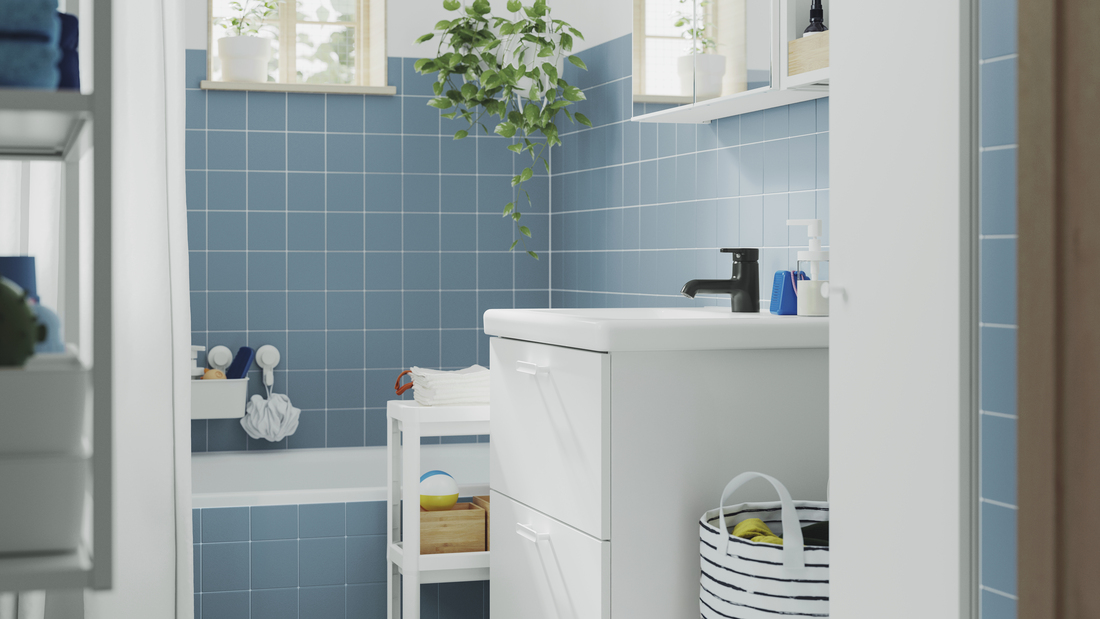
Toilet training is an important milestone in a child's journey toward independence. However, every child learns at their own pace, so this process should be approached with patience and without pressure.
In this article, you will learn how to recognize the signs that your child is ready to begin toilet training, practical steps you can apply at home, and IKEA children's toilet recommendations to help make the learning process more comfortable for both your little one and you.
Bedwetting during toilet training for several weeks or even a few months is completely normal. Continue offering positive encouragement and avoid scolding your child when accidents happen.
When is the right time to start toilet training?
There is no single age that applies to every child. Starting toilet training when your child is developmentally ready generally makes the learning process more comfortable and reduces the likelihood of resistance. Here are some signs to look for.
1. Your child begins to recognize the need to use the toilet
One of the most common signs is when your child starts telling you before they need to urinate or have a bowel movement, whether through words, facial expressions, or specific gestures.
Some children also begin to feel uncomfortable when their diaper is wet or soiled and ask to have it changed. This awareness of their body's signals shows that they are beginning to understand the need to use the toilet.
2. Your child can sit down and stand up independently
Motor skill development also plays an important role in toilet training. Children who can sit steadily, stand independently, and walk confidently are generally more prepared to use a children's toilet. Improved coordination also helps them get on and off the toilet more confidently.
3. Your child can follow simple instructions
Children who understand simple instructions such as "let's go to the toilet" or "sit on the potty first" usually find it easier to follow a toilet training routine.
In addition, showing interest in copying parents or older siblings when they use the toilet is another positive sign that your child is becoming interested in learning to use the toilet independently.
How to start toilet training without putting pressure on your child
1. Introduce the children's toilet first
Before encouraging your child to use it, let them become familiar with the children's toilet as something safe and enjoyable.
You can place it in the bathroom or another easily accessible area and invite your child to sit on it for a short time without any pressure. This introduction helps your child feel more comfortable when they begin using it later.
2. Create a routine at the same times each day
Consistency helps children recognize their bathroom routine. Encourage your child to try using the toilet at specific times, such as after waking up, after meals, before bath time, or before bedtime.
This simple routine helps children gradually connect their daily habits with using the toilet.
3. Use praise instead of punishment
Every achievement, no matter how small, deserves appreciation. Praise your child when they are willing to sit on the toilet or successfully use it.
On the other hand, avoid scolding or embarrassing your child if they still wet themselves, as accidents are a normal part of the learning process. A positive approach helps children stay confident and motivated.
4. Choose clothing that is easy to remove
Choose simple clothing, such as elastic-waist pants, so your child can pull them down and back up more easily.
It is also best to avoid clothing with many buttons, zippers, or complicated layers, as these can make it harder for your child to reach the toilet in time. This also helps encourage independence throughout the toilet training process.
IKEA children's toilet options for every stage of toilet training
Choosing the right children's toilet can help your little one feel more comfortable throughout the toilet training journey. IKEA offers several children's toilet solutions designed for different learning stages. Here are the available options.
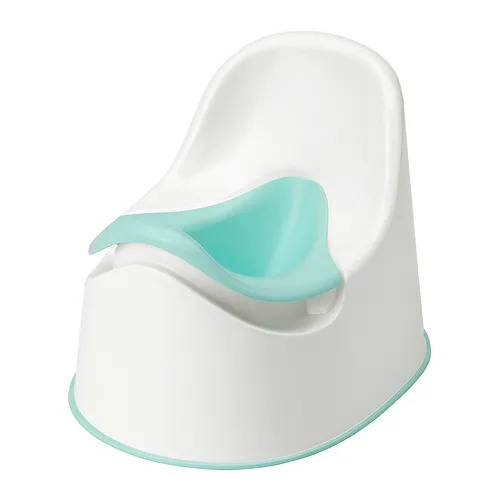
1. LOCKIG children's toilet for learning at home
LOCKIG is an excellent first toilet for children who are just beginning toilet training. It features a removable inner bowl, making it easy to empty and clean without lifting the entire potty.
In addition, the anti-slip base helps keep the potty securely in place during use, allowing your child to sit more comfortably and confidently.
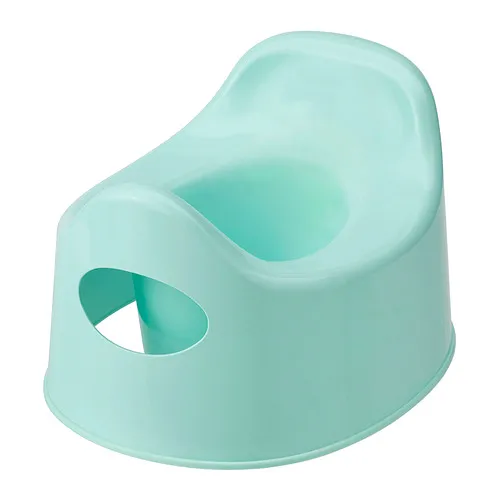
2. LILLA children's toilet that is compact and easy to move
LILLA features a simple, lightweight design, making it easy to move between rooms or take along when traveling.
Its ergonomic shape helps children sit comfortably, while the smooth surface makes cleaning easy after use. The potty also includes an anti-slip base to keep it stable throughout the toilet training process.
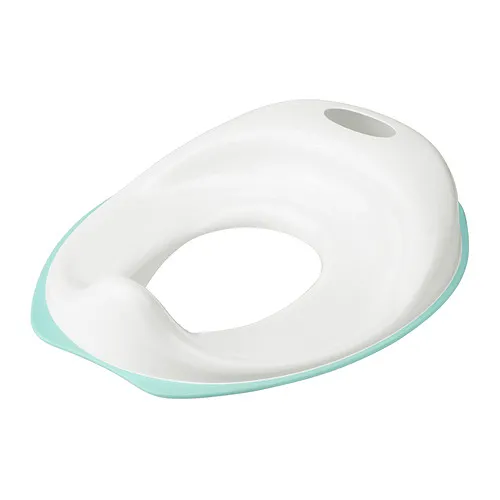
3. TOSSIG toilet seat as a transition stage
Once your child is ready to start using the family toilet, TOSSIG can serve as an ideal transition seat. It fits securely on top of a standard adult toilet seat, helping your child gradually adapt to using the regular toilet.
Its ergonomic design follows the shape of a child's body and features an anti-slip edge underneath to help keep it securely in place. After use, it can easily be removed, cleaned, and hung on the wall to keep the bathroom tidy.
How do you choose the right children's toilet?
Choose a children's toilet based on your child's developmental stage and daily needs to make the learning process more comfortable.
| Child's condition | Recommended product |
|---|---|
| Just starting toilet training | LOCKIG |
| Needs a toilet that is easy to carry | LILLA |
| Ready to use an adult toilet | TOSSIG |
FAQ
Not necessarily. Many children begin showing signs of readiness between 18 months and 3 years of age, but the right time depends on each child's physical, emotional, and communication development.
The duration varies from one child to another. Some children adapt within a few weeks, while others may need several months before they become comfortable using the toilet independently.
Both serve different purposes. Potties such as LOCKIG or LILLA are suitable for children who are just beginning because their size is designed for young children. Meanwhile, toilet seats like TOSSIG are more suitable for children who are ready to transition to an adult toilet.
Yes. Many children still need diapers during nighttime sleep even after they have successfully used the toilet during the day.
Refusal is completely normal. Avoid forcing or punishing your child.
Toilet training is about progress, not speed
Every child develops at their own pace, so there is no need to compare your child's progress with others. What matters most is maintaining consistency, building positive routines, and providing encouragement without pressure while your child is learning.
IKEA.co.id offers a variety of children's toilets and children's bathroom essentials to support every stage of toilet training, from standalone potties to transition toilet seats.
Explore the IKEA collection of children's toilets and children's bathroom essentials at IKEA Indonesia.