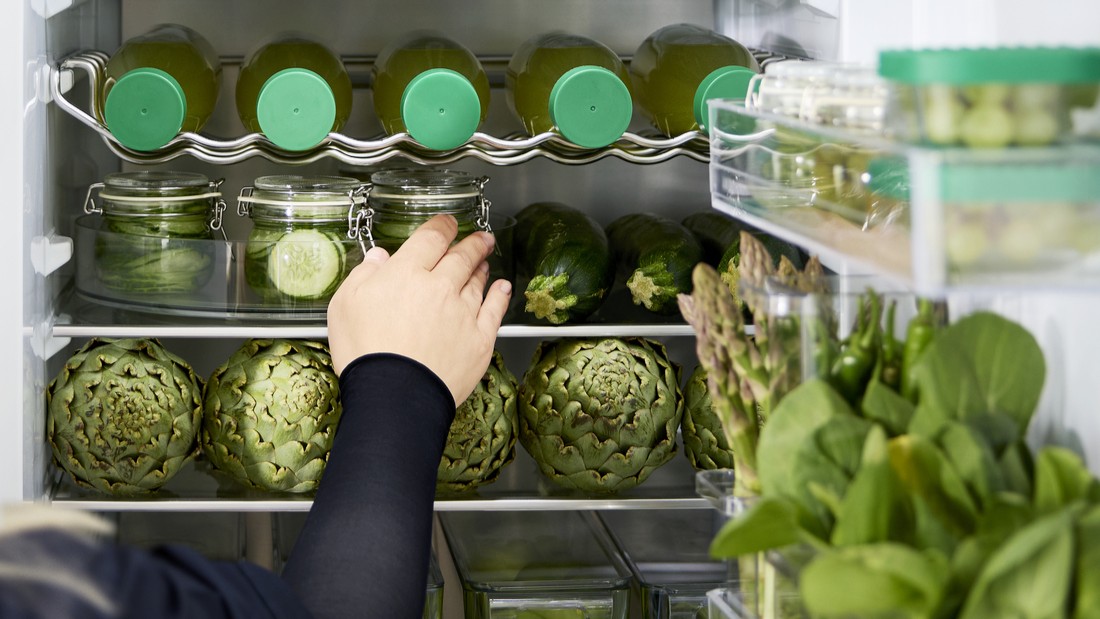
Preparing vegetables so they look appealing when served can start with a simple cooking technique. One such method is blanching, which involves briefly cooking food in boiling water before cooling it immediately.
This technique is often used to prepare vegetables for further cooking or storage. With the right boiling time and cooling process, blanching can help preserve the colour and texture of vegetables.
Read on to learn how to use the blanching technique and choose the right equipment to prepare ingredients at home.
Blanching does not produce the same colour and texture in every vegetable. The results depend on the type of ingredient, the size of the pieces, the boiling time, and how quickly the vegetables are cooled after cooking.
What is blanching in cooking?
Blanching is a cooking technique that involves briefly immersing food in boiling water before immediately transferring it to cold water. This method is commonly used for vegetables such as broccoli, green beans, carrots, and spinach.
Blanching involves a shorter boiling time than conventional boiling. The aim is not always to cook the ingredients fully, but to prepare them for further cooking or help preserve their quality.
Blanching can also help reduce enzyme activity that affects vegetable quality during storage. However, this technique does not replace the need to store food at a safe temperature.
Benefits of blanching food
Blanching can serve several purposes in the kitchen, depending on the ingredients and the intended result. Here are some of the benefits of using this technique:
-
Helps preserve colour: Brief boiling can make green vegetables appear brighter. The results still depend on the type of vegetable and the heating time.
-
Prepares vegetables for freezing: Blanching helps slow down enzyme activity that can affect flavour, colour, and texture during frozen storage.
-
Softens the surface of ingredients: Some vegetables become slightly softer, making them easier to incorporate into other dishes.
-
Makes certain ingredients easier to peel: For ingredients such as tomatoes, blanching can help loosen the skin for easier removal.
Keep in mind that blanching times vary depending on the ingredient. Boiling for too long can cause vegetables to lose their texture, while blanching for too little time may not achieve the desired result.
Read also: Kitchen equipment recommendations for a more organized home
How to blanch food correctly
Blanching can be done using basic kitchen equipment. Here are the steps you can follow:
-
Prepare the ingredients. Wash the vegetables under running water and cut them as needed. Try to keep the pieces a similar size to ensure more even heating.
-
Bring the water to a boil. Fill a pot with enough water to submerge the ingredients. Wait until the water is boiling before adding the vegetables.
-
Boil briefly. Add the ingredients to the boiling water and adjust the cooking time according to the type and size of the vegetables. Avoid adding too many ingredients at once, as this can lower the water temperature.
-
Transfer to cold water. Remove the vegetables immediately and place them in a bowl of cold water, ideally ice water, to stop the cooking process.
-
Drain the ingredients. Once the vegetables have cooled, remove them and drain using a strainer. If you plan to store them, dry them as needed before packing.
Common blanching mistakes to avoid
A few simple factors can affect the results of blanching. Keep the following points in mind when preparing your ingredients:
-
The water is not boiling yet: Adding vegetables too early can make the heating time difficult to control.
-
The pot is overcrowded: Adding too many ingredients can lower the water temperature and result in uneven heating.
-
Skipping the cooling step: Vegetables may continue cooking after being removed from the boiling water if they are not cooled immediately.
-
Not adjusting the cooking time: Leafy vegetables and firmer vegetables require different blanching times.
-
Storing ingredients while they are too wet: Drain the vegetables thoroughly before storing them to prevent excess water from collecting in the container.
Read Also: Tips for cooking Eid dishes efficiently while maintaining great taste
Recommended cookware for blanching
If you want to prepare vegetables using the blanching technique, a pot, strainer, and bowl can make the cooking process more convenient. Here are some cookware options from IKEA to consider.
1. VARDAGEN pot with lid
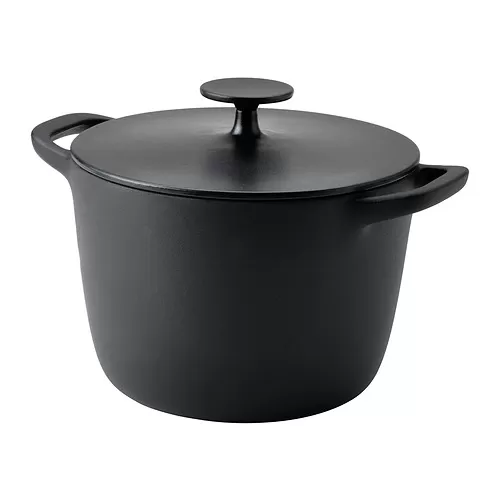
The VARDAGEN pot has a capacity of 5 litres, a diameter of 22 cm, and is made of enamelled cast iron. This material helps distribute heat evenly while retaining it for longer, making the pot suitable for a variety of dishes that require consistent heating.
2. BLANDA serving bowl
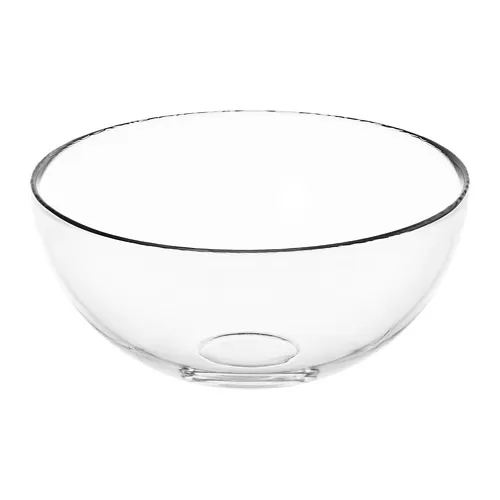
The BLANDA serving bowl features a simple, clear glass design and measures 20 cm in diameter. Its transparent material allows the contents to remain visible and makes it easy to pair with various tableware and serving styles.
3. IDEALISK strainer
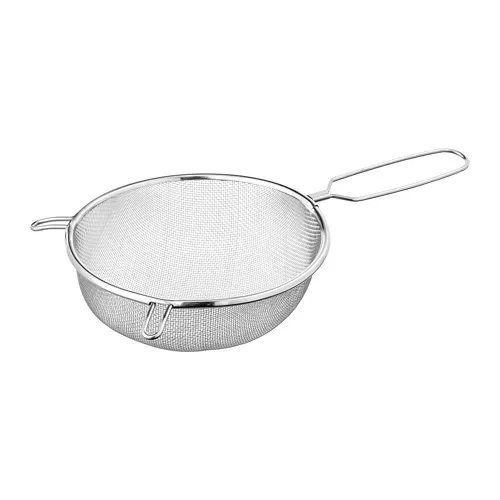
The IDEALISK strainer has a diameter of 20 cm and is made of stainless steel. This material provides a sturdy construction for everyday kitchen use, while its perforated design helps separate liquids from food.
4. OSTBIT serving tongs

The OSTBIT serving tongs measure 24 cm in length and are made of bamboo with an oil finish. The bamboo material makes them lightweight, with a natural appearance that pairs well with wooden serving accessories or tableware in neutral tones.
5. BLANDA MATT serving bowl
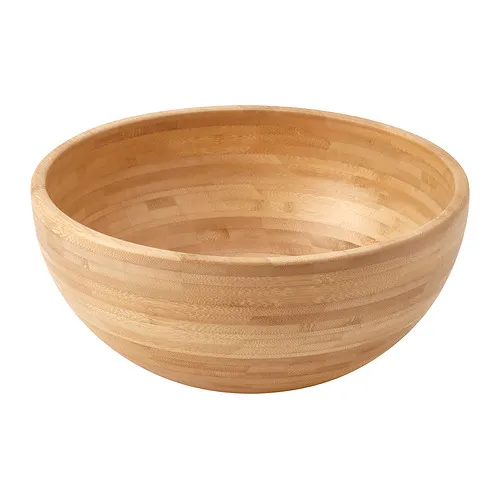
The BLANDA MATT serving bowl is made of bamboo with a clear acrylic lacquer finish, giving it a warm, natural appearance. Its 28 cm diameter provides a spacious surface for serving various ingredients or side dishes.
Make food preparation easier with blanching
Blanching can help prepare a variety of ingredients before they are used in everyday dishes or stored for later use. By paying attention to the boiling time and cooling process, you can adjust the results to suit your cooking needs.
Complete your kitchen with items that suit your cooking habits and the types of dishes you prepare most often at home. The right equipment can make everything from preparation to cooking more convenient.
Visit IKEA.co.id to discover inspiration and kitchen essentials that support your everyday cooking activities.
FAQ
Blanching is a cooking technique that involves briefly boiling food and then immediately cooling it.
This technique can help preserve colour and texture while preparing vegetables for further cooking or freezing.
Ice water is very helpful for quickly stopping the cooking process after vegetables are removed from boiling water.
The timing depends on the type and size of the vegetables, as well as the purpose of preparation. Follow an appropriate recipe or food storage guideline.
Not exactly. Blanching involves a short boiling time followed by rapid cooling, whereas regular boiling generally continues until the ingredients reach the desired level of doneness.