Choosing the right sofa foam is important for achieving a comfortable and durable seat. Each type of foam has different characteristics, so it should be selected based on the sofa’s function and frequency of use.
The type of foam, thickness, and density all contribute to the level of comfort a sofa provides. Let’s take a closer look below.
Good to know: The best foam for a sofa should be selected based on its function, comfort level, density, thickness, and frequency of use. The right choice helps keep the sofa comfortable while maintaining its shape for longer.
Why choosing the right sofa foam is important?
Foam is one of the key components that determines a sofa’s comfort and durability. The right material provides cushioning, supports the body, and helps the sofa maintain its shape.
Foam should also be selected according to how the sofa is used every day. Foam with the right quality and density can help keep a sofa comfortable over the long term.
Comfortable sofa recommendations from IKEA
After understanding the importance of foam and how to choose it, you can consider sofas with different cushioning materials based on your needs.
IKEA offers a variety of sofas with different foam types and density levels to suit various needs. Here are some IKEA sofa that you can consider.
1. GLOSTAD
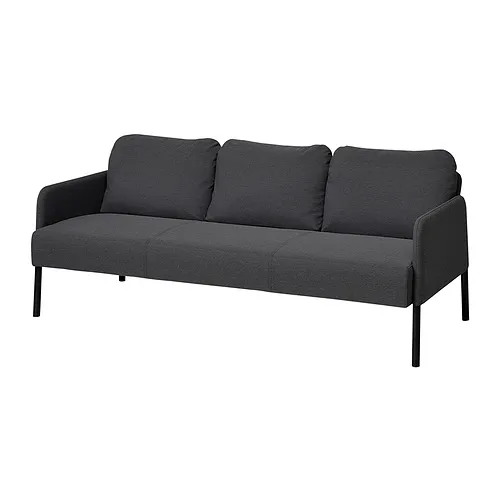
GLOSTAD features a simple design with thick seating, padded armrests, and firm back cushions. Its lightweight construction makes it easy to move and suitable for rooms that require practical furniture.
The slightly angled legs help provide stability during use. In one of its variants, the seat uses polyurethane foam with a density of 25 kg/m³.
2. EKTORP
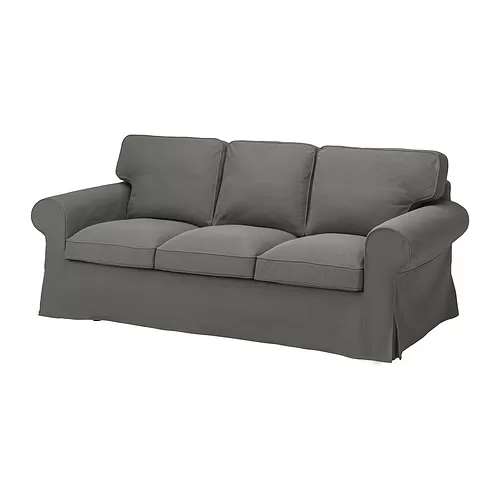
EKTORP features reversible back cushions filled with polyester fibers, providing a soft and comfortable feel. Foam is used in several parts of the sofa, as follows:
-
Backrest and seat frame: Made from a combination of plywood, veneer, particleboard, and fibreboard to create a sturdy sofa structure. These parts are also fitted with polyurethane foam for added comfort.
-
Armrests: Consist of layers of polyurethane foam with different density levels, combined with veneer, particleboard, and fibreboard.
-
Seat cushions: Use a combination of foam pieces and polyester fibers, more resilient cold foam, and hollow polyester fibers.
-
Back cushions: Made with hollow polyester fibers that provide a soft and comfortable feel when leaning back.
3. KIVIK
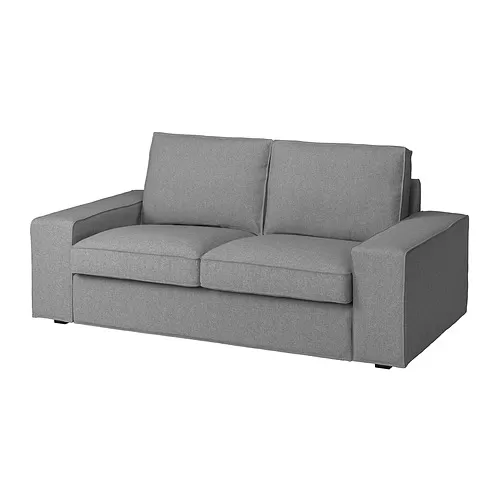
KIVIK is designed with deep seating, making it comfortable for relaxing over long periods. The combination of pocket springs and body-conforming foam provides both support and comfort when sitting or reclining.
This sofa features back cushions made from 100% polyester hollow fibers. The firm foam and polyester fibers provide comfortable support while creating a softer surface feel.
4. LANDSKRONA
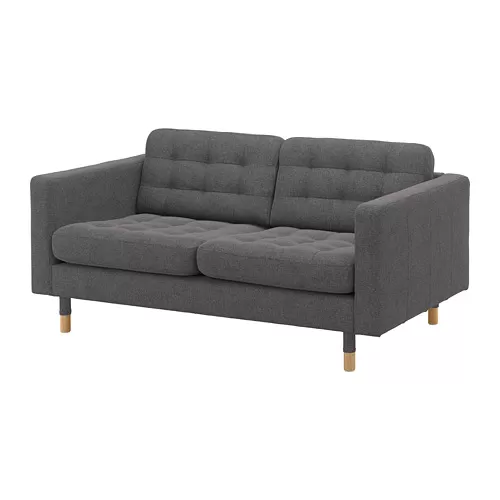
LANDSKRONA features a warm appearance with a soft cover and a neat seat design. Its seat cushions are made from highly resilient polyurethane foam with a resilience and density of 35 kg/m³.
This model is suitable for living rooms that emphasize a modern and elegant look. Its configuration and material options also make LANDSKRONA easy to adapt to different home interior styles.
5. SÖDERHAMN
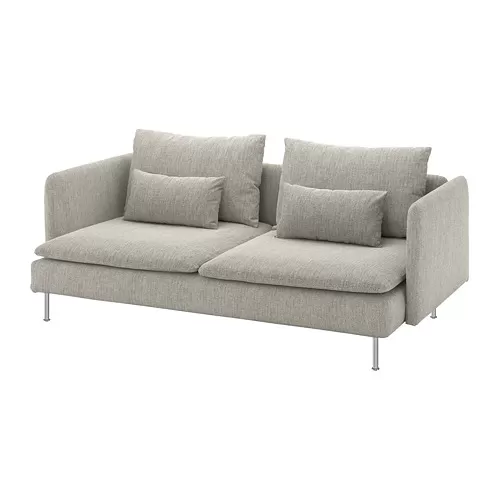
SÖDERHAMN offers a low and deep seating position with loose back cushions. Its high legs and slim sofa lines give the design a lightweight appearance.
Its comfort is supported by elastic webbing underneath and high-resilience foam in the seat cushions. Some components use high-resilience polyurethane foam with a density of 35 kg/m³ and polyurethane foam with a density of 20 kg/m³.
Read also: What is a sofa? tips for choosing and maintaining your sofa to keep it durable and attractive
Types of sofa foam based on material
Material is one of the main factors used to distinguish different types of sofa foam. Each type offers different levels of comfort, elasticity, and durability, so the choice should be based on specific needs.
1. Polyurethane foam (polyurethane or pu foam)
Polyurethane foam, or PU foam, is a commonly used material for sofas. It is available in various density and firmness levels, making it easy to adapt to different seating and backrest requirements.
PU foam can provide a balance between comfort and durability when selected with the right specifications. Higher density generally offers better shape retention, but density does not always determine whether the foam feels soft or firm.
2. Rebonded foam
Rebonded foam is made by compressing pieces of foam together into a single material. It has a denser structure, making it suitable for areas that require strong support.
This type of foam can be a good choice for applications that require a sturdy material that can withstand pressure. Its use should still be matched with the sofa’s construction to achieve the desired level of comfort.
3. Latex foam
Latex foam is elastic and responsive when pressure is applied. It can provide a comfortable feel because it adapts to body movements without creating an overly sinking sensation.
Latex is also known for its good resilience. This type of foam can be considered for sofas that prioritize comfort and seating flexibility.
4. Memory foam
Memory foam is designed to conform easily to the contours of the body when pressure is applied. This characteristic provides a more body-contouring seating experience that is comfortable for relaxing.
This material is more suitable as part of a cushion construction based on specific needs. KIVIK sofas from IKEA also use body-conforming foam to enhance comfort.
Types of foam based on thickness and function in a sofa
Foam thickness determines how the material functions in different parts of a sofa. Thin foam is generally used as a protective layer, while thicker foam is used in areas that bear the main load.
1. 1 cm and 2 cm foam
1 cm foam is generally used as a protective layer between the upholstery fabric and the sofa frame. This layer helps reduce friction and prevents the main foam from wearing out easily.
2 cm foam has a denser structure and can be used as an additional cushioning layer. It is suitable for backrests, armrests, or seats to provide additional protection for the main cushioning layer.
2. 4 cm foam for backrests
4 cm foam is a medium thickness that is suitable for sofa backrests. This thickness can provide sufficient cushioning without making the backrest feel excessively thick.
This material can also be used for seats on smaller sofas. The choice should still be adjusted to the sofa’s design and the amount of weight placed on the specific area.
3. 8 cm and above for main seats
Foam that is 8 cm thick or more is suitable for main seats that bear greater loads. Adequate thickness provides cushioning and sufficient room for compression when the sofa is used.
For sofas that receive frequent use, a multi-layer construction can be a suitable option. Combining layers with different characteristics can provide greater comfort and support.
Read also: Decorating Sofa Cushions for a More Aesthetic Minimalist Living Room
How to choose the best sofa foam
Choosing sofa foam involves more than simply considering how soft it feels. Pay attention to the material, density, thickness, function, and comfort when testing the sofa directly. Here is how to choose the right sofa foam:
-
Determine the sofa’s function and frequency of use.
-
Check the type of foam material used.
-
Consider the foam density when evaluating durability.
-
Match the thickness to its intended position.
-
Try sitting on the sofa before purchasing.
-
Choose a firmness level based on your comfort preferences.
-
Consider a multi-layer construction for the main seat.
-
Match your choice to your budget and household needs.
Tips for maintaining sofa foam for longer-lasting use
Regular maintenance helps preserve the sofa’s shape and comfort for longer. Proper usage habits can also reduce excessive pressure on the foam. Here are some maintenance tips:
-
Avoid jumping or standing on the sofa.
-
Rotate the cushions regularly to distribute pressure more evenly.
-
Vacuum the sofa regularly to remove dust.
-
Avoid exposing the sofa to excessive moisture.
-
Keep the sofa away from direct sunlight.
-
Use a washable cover or slipcover.
-
Clean stains immediately according to the type of upholstery fabric.
-
Add a layer of polyester batting if the cushion starts to lose volume.
Choose the best foam for a comfortable sofa with IKEA
PU foam with the right density and firmness can be a practical choice for everyday sofas. Latex foam, memory foam, or a combination of different materials can also be considered if you have specific comfort requirements.
IKEA offers a variety of sofas with different cushioning characteristics and designs, from GLOSTAD to SÖDERHAMN. Find a sofa that suits your space and home style at IKEA.co.id.
FAQ
Sofa foam can be replaced when it has lost its shape or no longer provides adequate comfort. The replacement process should take into account the size, shape of the seat, and specifications of the replacement foam to ensure compatibility with the sofa’s construction.
Foam should be inspected when the seat starts to sag, feels uncomfortable, or no longer returns easily to its original shape. These conditions may indicate that the foam has lost some of its resilience.
In some cases, foam that has started to lose volume can be reinforced with an additional layer. If the foam structure is damaged or has lost its ability to provide adequate support, replacement is generally a more appropriate option.
Not necessarily, because each part of a sofa bears a different amount of weight. Seats require more support than backrests or armrests, so the material specifications can vary according to their function.
Not necessarily, because comfort is not determined by thickness alone. Density, firmness, cushion construction, sofa shape, and upholstery material also affect how comfortable a sofa feels.