Effective bathroom tile cleaner for tackling stubborn limescale
The bathroom is the space most frequently exposed to water and moisture. Without proper care, bathroom floor tiles and walls are prone to mold growth, yellow stains, and stubborn limescale that make surfaces look dull. This condition can potentially become a breeding ground for germs and bacteria.
Cleaning bathroom tiles requires the right bathroom cleaner. Not all floor cleaners or cleaning liquids are suitable for ceramic surfaces, and choosing the wrong cleaner can damage the tile and grout. This is why selecting an effective tile cleaner to remove stubborn stains is important.
Through this article, you'll find bathroom tile cleaner recommendations, a guide to choosing specific cleaners, and how to clean floors and walls to restore their shine, cleanliness, and daily comfort.
Why do bathroom tiles get dirty easily?
Understanding why bathroom tiles get dirty easily helps you choose the right tile cleaner. Water used daily often contains minerals like lime and iron. These deposits stick to floors and walls, forming stains on tiles that gradually become stubborn limescale.
Additionally, soap and shampoo residue that isn't rinsed thoroughly leaves buildup. This residue hardens over time and forms soap scum that's difficult to clean, especially on bathroom floor tiles and grout. High humidity also allows mold and germs to thrive in bathrooms, making ceramic surfaces appear dull and dirty.
If left untreated, stains and limescale will become increasingly stubborn in the bathroom, risking damage to the ceramic surface. Regularly cleaning bathrooms with appropriate tile cleaners helps maintain cleanliness, remove stubborn dirt, and preserve the tile's shine for longer.
Read also: Guide to using bathroom cleaners efficiently
Types of bathroom tile cleaners
Knowing the different types of cleaners will make it easier to find tile or bathroom furniture cleaners that suit your needs. Each cleaning product is designed to tackle different levels of stains and limescale, from daily maintenance to stubborn dirt in bathrooms.
Here are several types of bathroom tile cleaners you can find.
Concentrated liquid cleaner
Concentrated liquid cleaners come in bottles with a potent formula that effectively removes limescale and stubborn stains. This type of limescale cleaning product is effective at removing buildup from bathroom floor tiles, walls, and grout.
The usage method is quite simple. You only need to pour the cleaning liquid onto stained ceramic surfaces, let it sit for a few minutes to work optimally, then scrub and rinse until clean. Some variants also come with fresh scents, helping maintain bathroom aesthetics and making the bathroom feel more comfortable after cleaning.
Spray cleaner
Spray-form bathroom cleaners are easy to use because you don't need to pour the product first. This type of cleaner is suitable for cleaning light stains and routine maintenance on floors and walls. Simply spray on dirty areas, let it sit briefly, then wipe or lightly scrub with a brush.
Bathroom floor cleaning products in spray form generally have a gentler formula. Even so, they remain effective at cleaning stains and helping prevent dirt and limescale buildup on ceramic surfaces.
Cream or paste cleaner
Cream or paste-form ceramic-specific cleaners are ideal for tackling stubborn stains in bathrooms. Their thick texture allows the product to adhere longer to stained and scaled tiles. Apply to areas you want to clean, scrub gently with a brush, then rinse until no cleaning liquid residue remains.
This formula is effective at cleaning stubborn limescale and yellow stains that are difficult to remove with regular cleaners. The light abrasive texture helps lift limescale without damaging the ceramic surface or grout, and keeps tile colors shiny.
Natural cleaners
Natural ingredients like vinegar, lemon, and baking soda are also effective for cleaning light stains and limescale. A mixture of vinegar and baking soda creates a chemical reaction that can help soften stubborn limescale. Meanwhile, lemon provides a natural whitening effect and fresh scent in effective bathrooms.
These natural cleaners are generally safe for the environment and suitable for routine cleaning. However, for dirt and limescale that have long been stubborn on bathroom floor tiles, results may require time and repetition to be truly clean.
Tools for cleaning bathroom tiles
Besides choosing the right floor cleaning product, using appropriate cleaning tools is also important for optimal results. The right combination of cleaners and tools will make it easier when cleaning stains and limescale.
Bristle brush
Brushes are the main tool for lifting stuck-on dirt and limescale. Medium-bristle brushes are suitable for bathroom floor tiles and other flat surfaces because they clean effectively without scratching or damaging ceramic tiles. For bathroom walls, soft-bristle brushes are recommended to preserve tile colors.
Small brushes with harder bristles are very helpful for cleaning stubborn stains in tile grout that often becomes scaled. Choose brushes with ergonomic handles for a comfortable grip and easier scrubbing.
Sponge and microfiber cloth
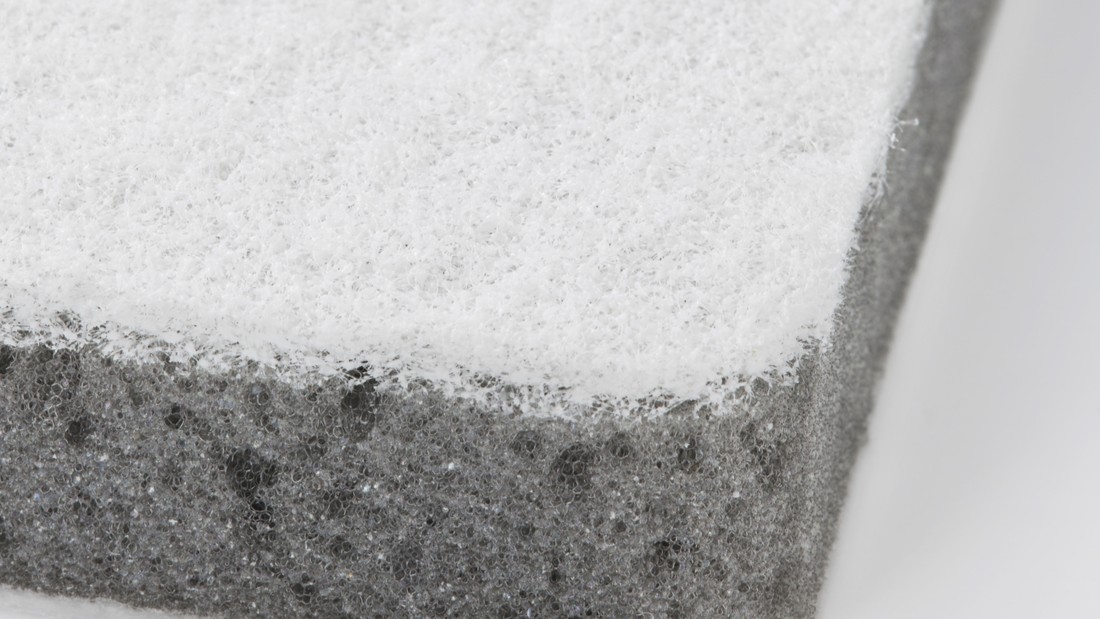
A soft sponge is useful for applying bathroom floor cleaner to smoother surfaces. The soft sponge texture helps lift stains without damaging tile color.
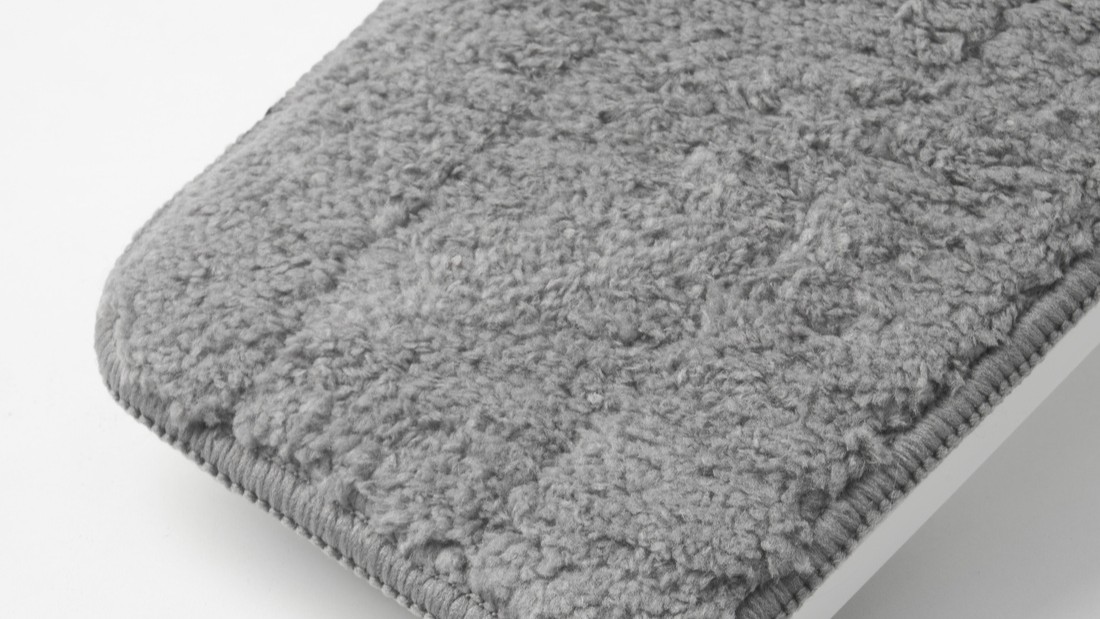
Microfiber cloths are very effective for drying and polishing ceramic surfaces after cleaning. This material absorbs water well and doesn't leave fibers on surfaces.
Protective gloves
Rubber gloves are also important equipment when using lime-scale cleaning products containing chemicals. This tool can protect and maintain your hand skin from irritation and allergic reactions.
Latex or nitrile material gloves provide better protection from harsh chemicals. Some variants have texture on the palm area to increase grip when holding brushes.
Mop and bucket
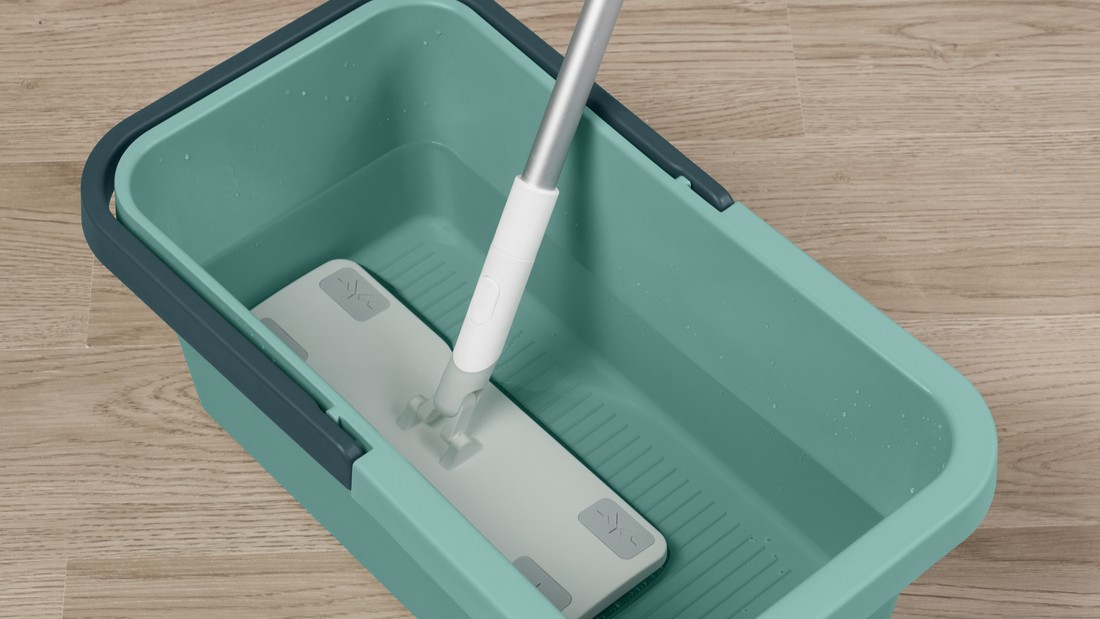
Mops are useful for cleaning bathroom floor tiles in wider areas. As a practical choice, you can select mops with replaceable heads to make maintenance easier and keep the tools clean.
Buckets with sufficiently large capacity are also needed to mix bathroom floor cleaning liquid with water. Buckets with strong handles make it easy for you to carry water for rinsing after scrubbing.
How to use tile cleaner correctly
Having quality floor cleaning products alone isn't enough if the usage method isn't proper. You must also pay attention to correct application techniques to maximize cleaning results and keep tiles durable.
Preparation before cleaning
Make sure your bathroom floors and walls are dry or slightly damp before application. Clean dust and coarse dirt first using a broom or dry cloth. This preparation can help cleaning liquid work more effectively on main stains and limescale.
Wear gloves to protect skin from chemicals in lime-scale cleaning products. Also, ensure good bathroom ventilation so dangerous vapor buildup doesn't occur.
Cleaner application
Pour or spray cleaner according to instructions on the product packaging you choose. For stubborn limescale, let it sit longer so the formula soaks perfectly into the ceramic surface. This process allows active ingredients to work optimally in lifting limescale and stubborn stains.
Use a medium-bristle brush to scrub dull or dirty bathroom ceramic surfaces. Scrub with circular motions for more even and thorough results.
Rinsing and drying
Rinse ceramic surfaces with clean water until no bathroom floor cleaning liquid residue remains. Leftover chemical residue can make surfaces sticky and attract more dirt more quickly.
Dry surfaces with a microfiber cloth or let them dry naturally with good ventilation. Dry bathroom floor tiles will look shinier and free of water stains.
Tips for choosing the right tile cleaner
Choosing products that suit your needs will save time and support cleaning effectiveness. Consider several important factors before you buy cleaning products.
Match with the stain type
Identify the types of stains that most frequently appear on your bathroom tiles. For light stains, daily cleaners are effective enough for cleaning and maintaining cleanliness. Stubborn stains on floor tiles require stronger formulas specifically to lift limescale and dirt.
Choose tile cleaning products accordingly so tiles remain durable and well-maintained. The ideal tile cleaning product is one that effectively cleans limescale while remaining safe for surfaces.
Pay attention to ingredient content
Look for products labeled safe for various surfaces to avoid damaging ceramics. Environmentally friendly limescale cleaning products are now increasingly available as alternatives. Organic materials are safer for skin and don't pollute the water drains in the home floors.
Additionally, balanced formulas can help eliminate stubborn stains without damaging tile colors or grout. This choice is good for family health while supporting environmental sustainability.
Consider fragrance
Cleaner fragrance also affects your comfort during and after cleaning bathrooms. Choose variants with fragrances that aren't too strong or suit personal preferences. Some floor cleaning products offer fresh scents like lemon, lavender, or pine.
Ensure bathrooms have good ventilation when using scented cleaners for air circulation. Your comfort in cleaning stains and limescale is also important to consider.
Routine maintenance to keep tiles clean
Routine cleaning is more effective than waiting for stains and limescale to accumulate until stubborn. Set aside a little time each week to keep the bathroom floor and walls clean.
Daily cleaning
Rinse bathroom floor tiles after each use to prevent soap scum buildup. Wipe surfaces with a dry cloth to prevent water stains from drying and hardening. This simple habit can help reduce the frequency of intensive cleaning.
Use a light all-purpose cleaner to clean fresh stains that haven't completely dried. Consistent daily cleaning can help maintain tile shine longer.
Weekly cleaning
Do a more thorough cleaning once a week using suitable bathroom floor cleaners. Focus on main sanitation areas frequently exposed to water, like around showers and sinks. Use brushes to clean stubborn grout stains or hard-to-reach corners.
Also, pay attention to bathroom wall areas that are frequently exposed to water and steam. Regular cleaning can help prevent mold and bacteria from developing in bathrooms.
Special care
Occasionally, perform deep cleaning to remove limescale from ceramic surfaces. Use ceramic-specific cleaners that are effective at removing stubborn dirt and yellow stains. This process is important for restoring the bathroom's beauty to its original state.
Check the grout condition regularly and clean it with specialized products if it starts to look dull. Well-maintained grout can help prevent water from seeping and damaging the structure underneath.
Read also: How to clean stubborn bathroom limescale easily
Clean tiles, comfortable bathroom
Cleaning yellow and scaled bathroom tiles requires understanding which cleaner to use. By choosing appropriate tile cleaning products, using tools like brushes and gloves, and applying them correctly, you can tackle various types of stains and achieve shiny, germ-free home floors that are comfortable.
Once your bathroom is clean, it's time to complete the space with comfort-enhancing equipment. Visit IKEA.co.id to find various storage solutions, bathroom accessories, and other home equipment. With proper arrangement, your bathroom can become a more functional and enjoyable space.