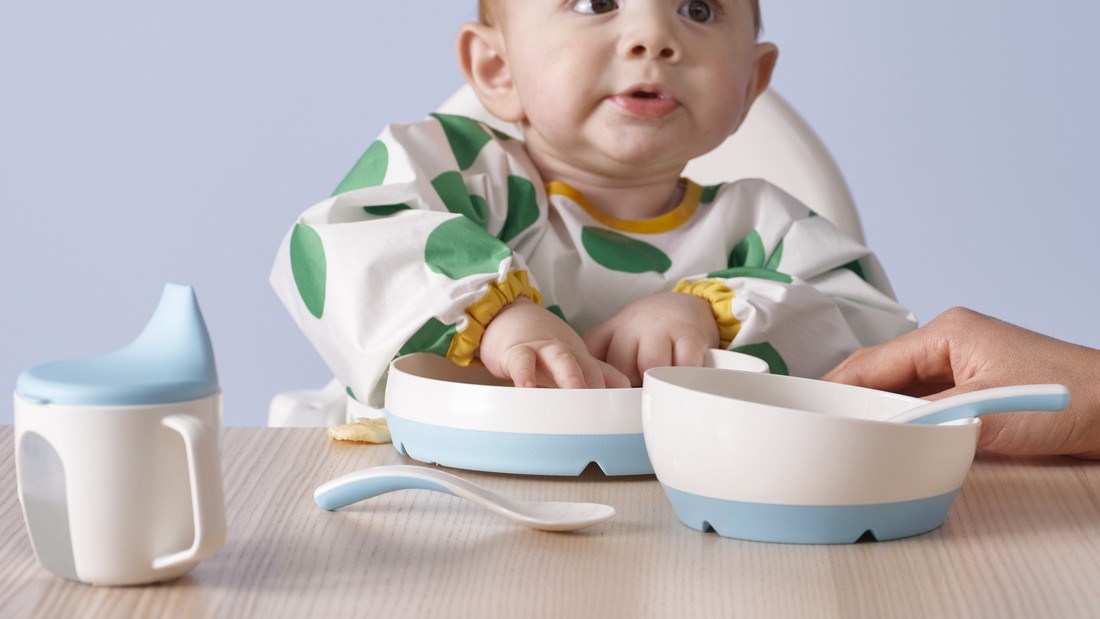
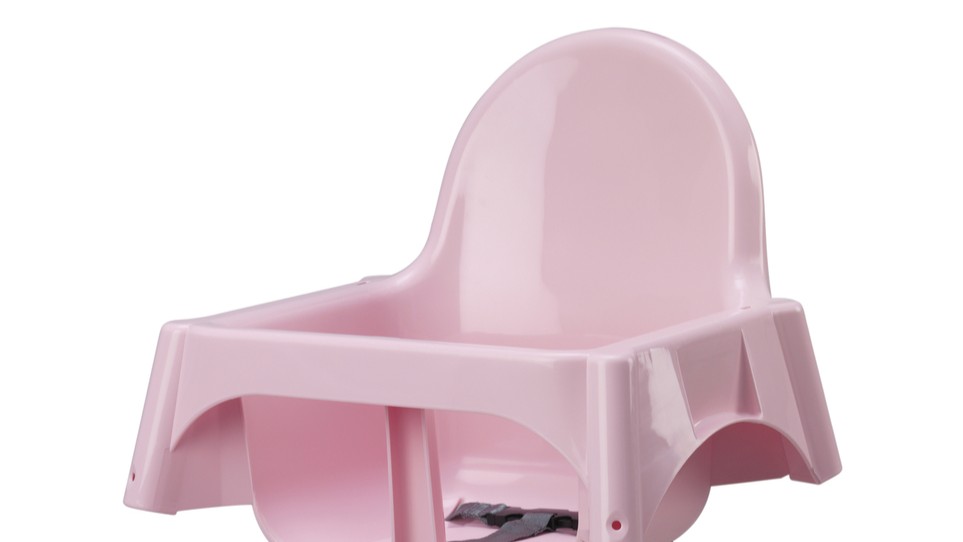
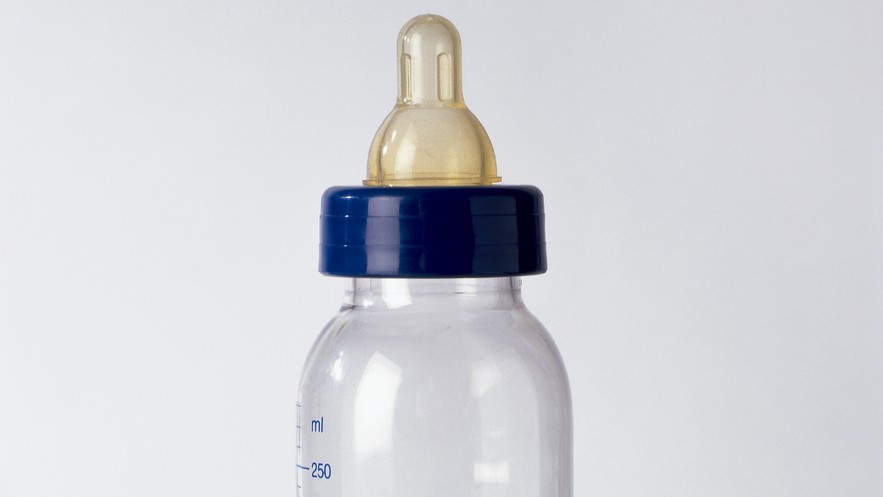
We have summarized essential items to help you create a pleasant mealtime experience for your little one.
1. Stable and safe high chair
Using a stable baby high chair is essential to ensure your child remains seated upright and safe. With a comfortable seat, your child’s focus while eating complementary foods will be well maintained every day.
Make sure the chair has a sturdy yet soft safety harness so your little one does not easily fall when moving actively. An easy to clean model will greatly assist you in maintaining optimal hygiene in the eating area without extra effort.
2. Baby bowl with anti slip base
Choosing a bowl with an anti slip base or suction grip is very effective in preventing accidental food spills. This helps babies learn to eat independently without worrying about the bowl shifting or falling off the table.
A firmly attached base gives your little one freedom to explore using their spoon with curiosity. This bowl is one of the essential MPASI items to minimize the risk of dirty and messy floors.
3. Spoons and forks with soft rounded tips
Use spoons and forks with rounded tips and flexible materials to avoid injuring your child’s sensitive gums. These flexible utensils are very safe to use when a baby’s mouth is just beginning to adapt to solid objects for the first time.
Short and ergonomic handles make it easier for small hands to grip and guide food more accurately. Choosing the right baby spoon is a good first step in training fine motor coordination from an early age.
4. Practical plastic or silicone bibs
Using silicone or plastic bibs helps keep your child’s clothes clean from stubborn baby food stains. These materials are very practical, as you simply need to wipe or rinse them under running water after use.
Choose models with a pocket at the bottom to catch food crumbs that fall during mealtime. This equipment creates a more enjoyable feeding experience since you do not need to change your child’s clothes too often at home.
5. Baby cups designed to prevent spills
Baby cups with anti spill designs help your child transition from milk bottles to regular drinking cups. The special valve inside ensures liquid only comes out when sucked, significantly reducing spills in play areas.
Designs with handles on both sides make it easier for children to grip the cup steadily without assistance. This is a highly functional recommendation to support independence and healthy growth in a natural way.
6. Divided plates to introduce different flavors
Using divided plates allows you to serve different menus with varying textures in one neatly organized dish. This method is very effective for introducing flavor variety without worrying about food mixing together, helping children recognize tastes.
Attractive food presentation across plate sections will make your little one more excited when mealtime arrives each day. This equipment greatly helps meet nutritional needs through varied meals served creatively.
7. Airtight food storage containers
Storing baby food in airtight containers is very important to ensure nutritional quality is preserved. You can use transparent containers to easily see the contents stored in the refrigerator for routine checks.
Choose containers with single serving portions to make reheating meals quick and easy. Ensure the materials are safe for repeated use to support healthy MPASI preparation for your child’s growth.
8. Drinking bottles with soft straws
Drinking bottles equipped with soft straws are an ideal solution for training sucking and swallowing skills. The flexible straw material is gentle on newly growing teeth and gums during early development stages.
A tightly sealed lid keeps the straw clean from dust when not in use or when carried outdoors. This equipment is specially designed to support safe drinking transitions for children in various situations.
9. Brightly colored and attractive feeding utensils
Choosing feeding utensil sets with bright and contrasting colors can stimulate your child’s visual interest when learning to eat. Eye catching colors build positive associations between mealtime and joyful activities.
You can match color choices with your dining room decor to create a cheerful and warm atmosphere for the whole family. Aesthetic utensils also enhance the appearance of your dining table and give a more modern impression to your home.
10. Lightweight feeding utensil sets
Feeding utensils made from quality plastic materials usually have a very lightweight design and are easy to carry. This is especially beneficial when traveling or having family picnics without being burdened by heavy equipment.
Despite being lightweight, make sure the materials are sturdy and not easily broken if accidentally dropped. These utensils are a very practical choice to support the mobility of active parents accompanying their child’s growth every day.
11. Manual food mashers for the right texture
Using a manual food masher helps you adjust MPASI textures according to your child’s age stage and swallowing ability. You can easily control food consistency, from smooth purees to slightly thicker textures, manually.
This tool is very functional for preparing MPASI in small portions quickly without using complex electrical appliances. With the right masher, serving healthy and nutritious meals for your little one becomes far more efficient.
12. Soft small cloths for cleaning the face
Completing the essential equipment list with soft fiber cloths is very useful for cleaning food residue from your child’s face. Highly absorbent materials provide instant comfort without risking irritation to sensitive skin.
Make sure to always have several clean cloths available for alternating use after each mealtime session. Maintaining cleanliness around the mouth and hands is an important part of MPASI equipment to keep your child feeling fresh and comfortable.
How to care for baby MPASI equipment to keep it hygienic
We recommend washing feeding utensils immediately after use to prevent bacterial growth that could harm your child’s health. Food residue left too long will be harder to clean and may cause unpleasant odors.
Also pay special attention to proper sterilization processes according to the material type so the utensils do not get damaged or deformed. Using warm water or appropriate sterilization devices helps keep equipment hygienic and ready for the next safe feeding session.
Is your little one a picky eater? Create safer and more comfortable MPASI moments