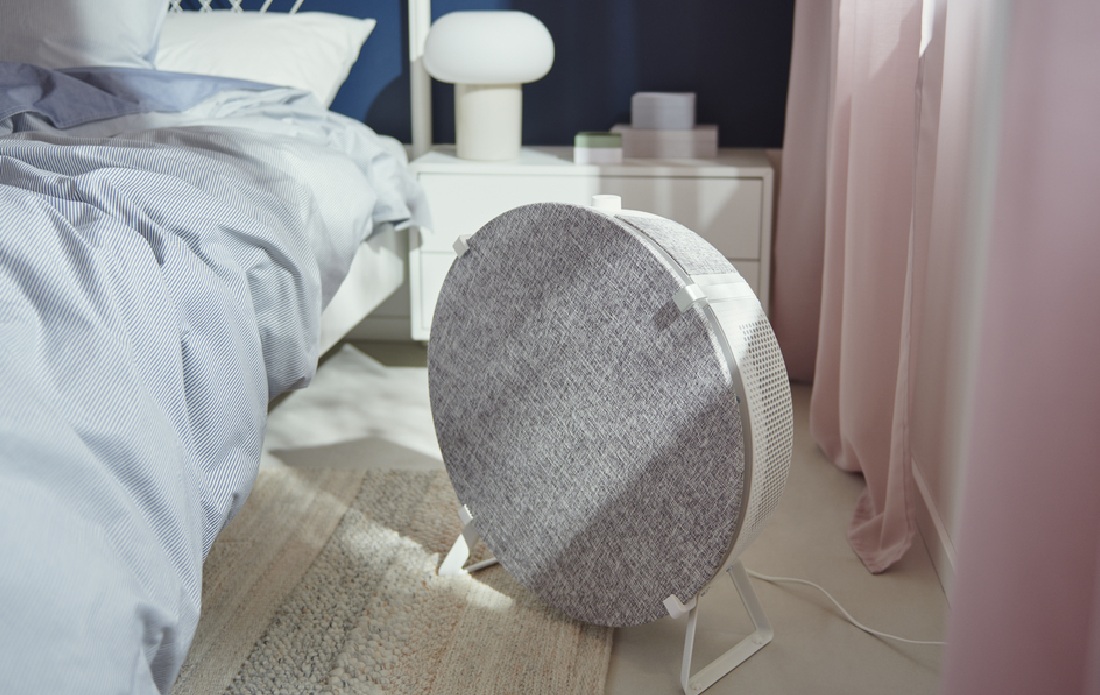
An air purifier is a device designed to help filter indoor air by capturing particles such as dust, pollen, allergens, smoke and certain pollutants. With a suitable filtration system, an air purifier can help maintain better indoor air quality and create a more comfortable environment for everyone at home.
An air purifier filters indoor air but does not replace proper ventilation or remove every source of pollution. Its effectiveness depends on the filter type, purifier capacity, room size and the pollutants you want to reduce.
What Is an Air Purifier Used For?
The main function of an air purifier is to draw dirty indoor air into the unit, pass it through one or more filters and release the filtered air back into the room. This process can help reduce the concentration of airborne particles and pollutants.
Air purifiers can help filter dust, pollen, pet dander, particles from cigarette smoke and other airborne pollutants. Certain filters can also help reduce specific gases and unpleasant odours.
In homes located in areas with higher levels of outdoor air pollution or where dust easily accumulates, an air purifier can complement regular cleaning and proper ventilation.
How Does an Air Purifier Work?
An air purifier generally works by using a fan to draw indoor air into the device. The air then passes through a filtration system that captures certain particles and pollutants before filtered air is released back into the room.
Particle filters for dust and allergens
Particle filters are designed to capture airborne particles such as dust, pollen and other fine particles. Some air purifiers use HEPA filters, while others use different types of particle filters with their own performance specifications.
Because filtration efficiency varies, always check the product details to understand the filter type and the particles it is designed to capture.
Gas or carbon filters for odours
Some air purifiers can also use a gas or activated-carbon filter. These filters are designed to adsorb certain gaseous pollutants and help reduce smells from cooking, smoke or other sources.
Using suitable particle and gas filters together can help address more than one type of indoor air pollutant.
What Are the Benefits of an Air Purifier?
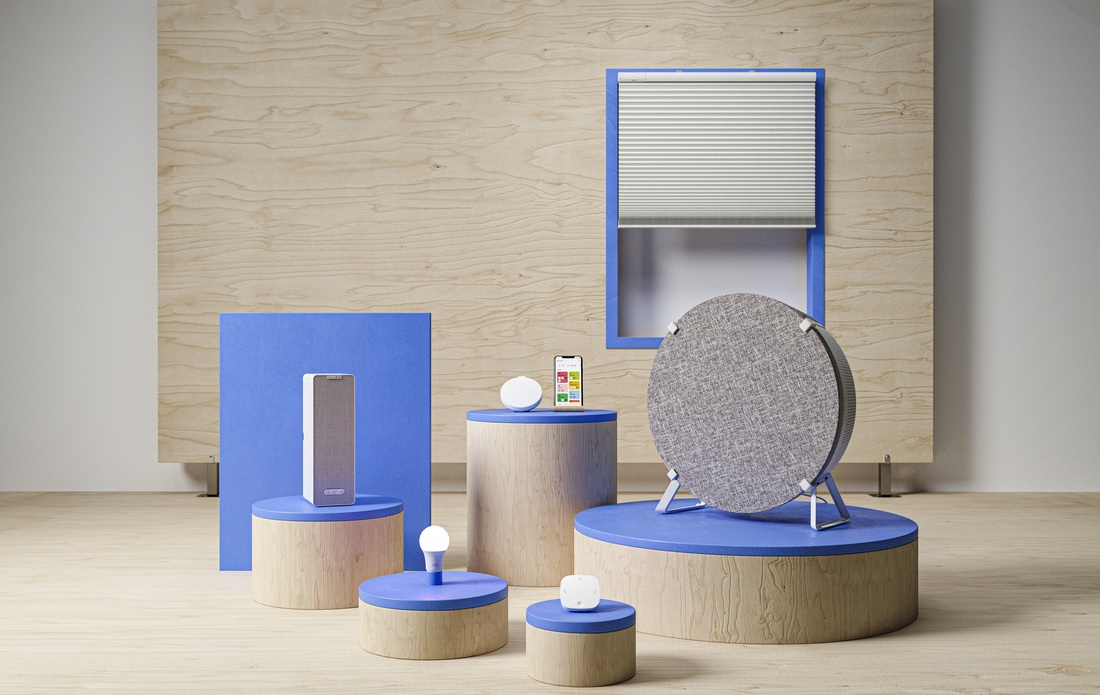
The benefits of an air purifier are closely connected to its ability to reduce certain airborne particles and pollutants. Here are several ways it can support a more comfortable indoor environment.
1. Helps filter dust and fine particles
Dust can enter from outdoors or be generated through everyday activities at home. Some particles remain airborne before settling on furniture and other surfaces.
A suitable air purifier can capture part of this airborne dust as air passes through its filter.
2. Helps reduce airborne allergens
Pollen, dust and particles associated with pet dander are common allergens that may circulate through indoor air.
An air purifier does not remove the underlying cause of an allergy, but an appropriate filter can help capture some airborne allergen particles before they continue circulating around the room.
3. Helps filter smoke and pollutants
Particles from cigarette smoke, cooking activities and outdoor pollution can enter and accumulate inside a home.
A purifier with an appropriate filtration system can help capture some of these airborne particles. However, persistent pollution sources should also be reduced directly and proper ventilation should still be maintained.
4. Helps reduce certain odours
Cooking, smoke and pets can sometimes create unwanted smells indoors.
Air purifiers equipped with a suitable gas or activated-carbon filter can help adsorb some odour-causing compounds. Performance depends on the filter, purifier capacity and the source of the smell.
5. Helps maintain indoor air quality
By continuously filtering circulating air, an air purifier can help maintain cleaner air in frequently used spaces such as bedrooms, living rooms and home offices.
Combining air filtration with regular cleaning and ventilation can help create a more comfortable indoor environment.
6. Helps capture particles entering from outdoors
Opening windows and doors can allow dust, pollen, traffic pollution and other particles to enter the home.
An air purifier can help capture some of these particles once they become airborne indoors.
Read also: Recommended air purifiers for fresher rooms
When Is an Air Purifier Useful at Home?
Every household has different needs. An air purifier may be useful if your home is located in an area with higher pollution levels, indoor spaces become dusty quickly or smoke and other particles frequently enter from outside.
Homes with pets may also have airborne particles associated with fur and dander. For family members who are sensitive to dust or pollen, filtering indoor air may help reduce some of these airborne triggers.
In frequently occupied rooms such as bedrooms, living rooms or home offices, maintaining indoor air quality can also support a more comfortable environment.
What Is the Difference Between an Air Purifier and a Humidifier?
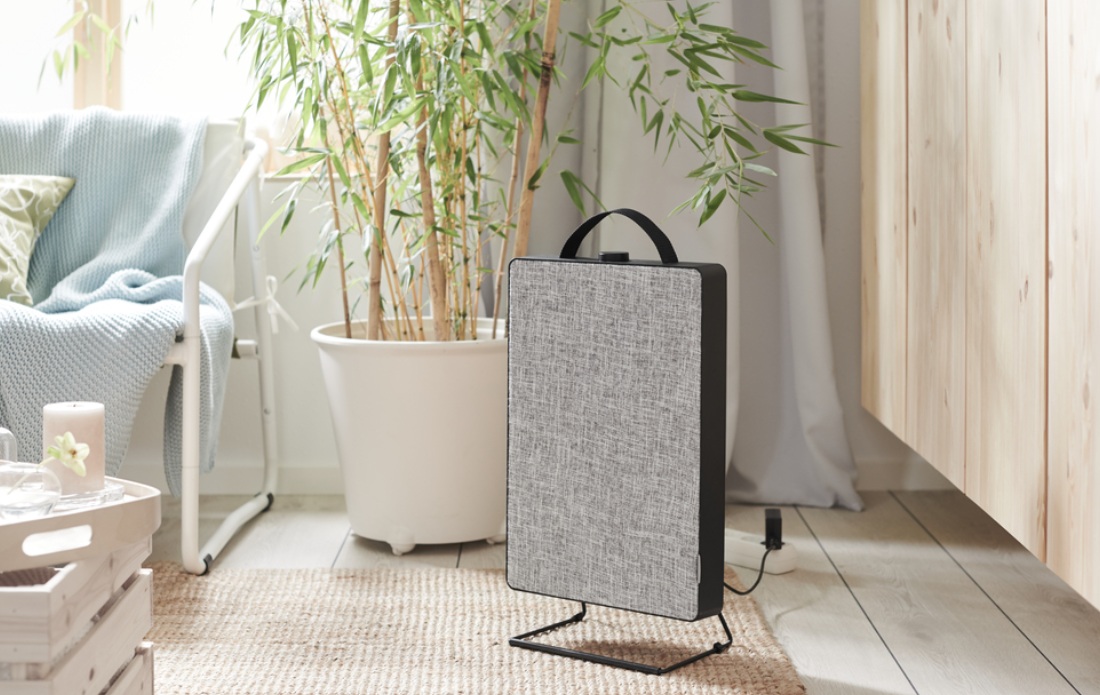
Although both devices are used to improve indoor comfort, an air purifier and a humidifier perform different functions.
An air purifier filters airborne particles and certain pollutants. A humidifier, on the other hand, adds moisture to air that is too dry.
Most air purifiers therefore do not require water. Water is generally needed only when a device combines air-purifying and humidifying functions.
An air purifier is also not a dehumidifier. It does not reduce excess indoor humidity. If moisture is causing mould growth, the source of the moisture should be addressed separately. A suitable filter may capture some airborne spores, but it does not eliminate the conditions that allow mould to grow.
Can an Air Purifier Run All Day?
An air purifier can be used for extended periods when operated according to the manufacturer's instructions. Whether it needs to run continuously depends on indoor air quality, room size, purifier capacity, household activities and energy consumption.
If a purifier offers multiple speed settings or an automatic mode, these features can help adjust performance according to the conditions in the room.
Make sure that the air inlet and outlet remain unobstructed so the device can circulate and filter air efficiently.
Tips for Choosing the Right Air Purifier
When choosing an air purifier for your home, consider more than its appearance or overall size. The following factors can help you select a model that better matches your needs.
Match the purifier to the room size
Check the recommended room coverage for each model. A purifier that is too small for a large room may take longer to filter the air effectively.
Where available, check the CADR (Clean Air Delivery Rate) to understand how much filtered air the device can deliver.
Check the filter type
Think about the main pollutants you want to reduce. Particle filters are designed to capture airborne dust and particles, while gas or carbon filters can help address certain gases and odours.
If you choose a purifier with a HEPA filter, check the filter class and specifications because filtration performance varies between products.
Consider the air conditions in your home
A home in an area with high outdoor pollution may have different requirements from one where pollen, pet dander or unpleasant odours are the main concern.
Identifying the main source of dirty air helps you choose a filtration system suited to your needs.
Consider the noise level
For bedrooms, look for a purifier with a comfortable sound level or a lower-speed setting that is less likely to disturb rest.
Check energy consumption
If you expect to run the purifier for long periods, energy use is worth considering. Choose a capacity that matches the room rather than automatically choosing the largest model.
Consider maintenance and replacement filters
Dirty filters can reduce filtration performance. Check how filters are inspected or replaced and follow the manufacturer's recommended replacement schedule.
Explore IKEA air purifiers and accessories to see available air-purification products, filters and accessories.
Read also: Smart ways to choose the right room air purifier for your needs
How to Use an Air Purifier Effectively
Place the air purifier where airflow is not obstructed. Avoid blocking the inlet or outlet with walls, curtains or large furniture, as restricted airflow can reduce filtration efficiency.
Clean the exterior and pre-filter, where applicable, according to the product instructions. Filters that cannot be washed should be replaced according to the recommended schedule.
It is also important to match the purifier's capacity to the size of the room. A small purifier may not provide the same performance when used in a significantly larger space.
FAQ About Air Purifier Functions
An air purifier draws indoor air into the device, passes it through filters that capture certain particles or pollutants and releases the filtered air back into the room.
An air purifier can help filter dust, pollen, allergens, smoke and certain airborne pollutants. Its filtration ability depends on the filter type and product specifications.
An air purifier can help capture dust while it is airborne. Dust that has already settled on floors, furniture and other surfaces still needs regular cleaning.
It can help when equipped with a filter designed for gases and odours, such as an activated-carbon filter. Effectiveness depends on the filter and the source of the smell.
Most air purifiers do not use water because they work with filters. Water is typically required only in devices that also have a humidifying function.
An air purifier filters airborne particles and certain pollutants, while a humidifier adds moisture to air that is too dry.
Not necessarily. Operating time can be adjusted according to indoor air quality, room size, household activity, purifier capacity and the manufacturer's instructions.
Place it where airflow around the inlet and outlet is unobstructed. Avoid positioning it too close to large furniture or other objects that could restrict air circulation.